NaturalGenerated with AI2 min read
Potato
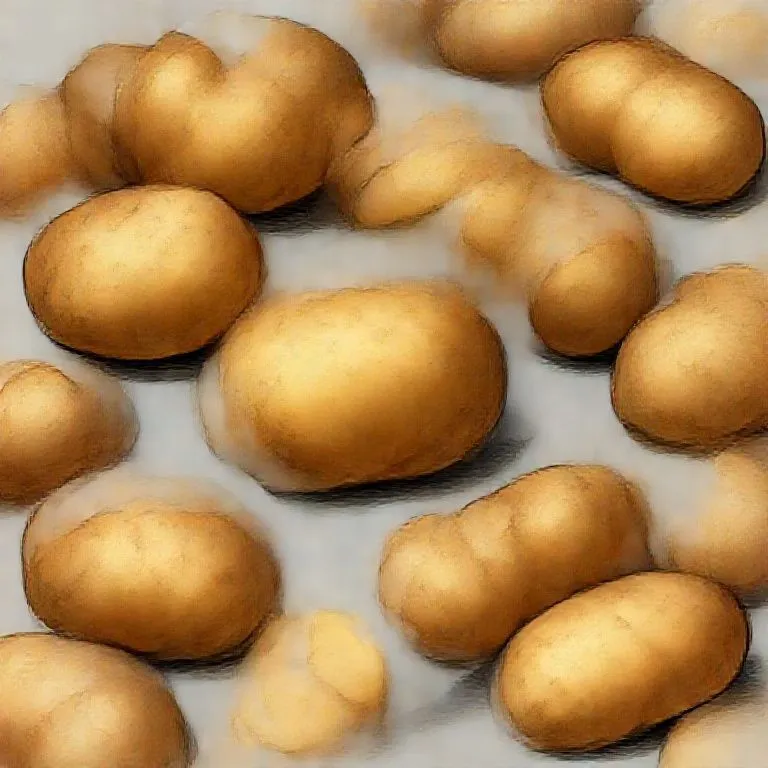
Potato is a calorie-dense tuber that grows underground and provides a reliable food source in cool climates.
Description of what it is like
Round or elongated tubers with thin skins and white or yellow flesh. They soften quickly when cooked and can be mashed or dried.
Origin and where to find it
- Environments: Cool to temperate fields and highland soils.
- Signs: Low plants with small flowers and underground tubers.
- It is a cultivated crop often grown in ridged rows.
Minimum processing required
- Harvesting: Dig out tubers when foliage dies back.
- Curing: Dry the skins in shade for longer storage.
- Storage: Keep cool, dark, and dry to slow sprouting.
- Cooking: Boil, roast, or steam to make digestible.
Tools needed to work on it
- Digging tools for harvest.
- Containers for storage.
- Fire for cooking and drying.
- Mortar for making flour or mash.
Common forms of use
- Boiled or roasted potatoes.
- Mashed potatoes and soups.
- Dried flakes or flour for storage.
Possible substitutes
Limitations and common failures
- Storage rot: Warm or damp storage causes decay.
- Frost damage: Cold snaps reduce yield and storage life.
- Sprouting: Increases bitterness and reduces food quality.
Risks and safety
- Solanine: Green or sprouting potatoes can be toxic.
- Spoilage: Soft, wet, or moldy tubers should be discarded.
Related materials
Properties
- Starchy tuber
- High moisture
- Perishable if warm or wet
- Easy to cook
Used for
- Boiled or roasted food
- Mash and soups
- Dried flakes and flour
- Animal feed
Manufacturing / Process
Tubers are harvested, cured, and stored cool; they can be cooked, dried, or milled.