NaturalGenerated with AI2 min read
Maize (Corn)
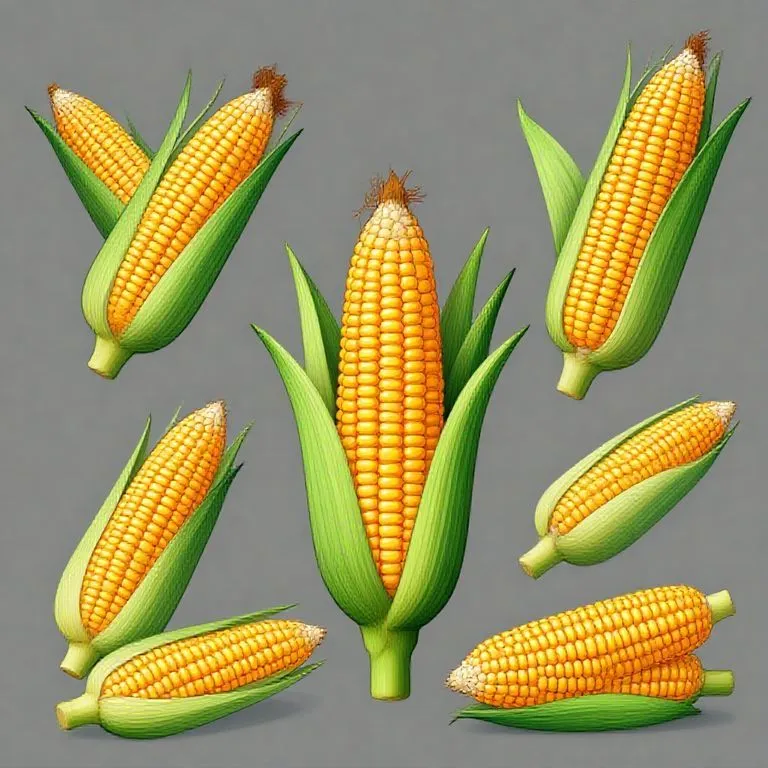
Maize is a high-yield grain that can be eaten fresh or dried for long storage. It is widely used for porridge, breads, and animal feed.
Description of what it is like
Large kernels attached to a central cob. Kernels harden when dried and can be ground into coarse meal or fine flour.
Origin and where to find it
- Environments: Warm, sunny fields with moderate rainfall.
- Signs: Tall stalks with broad leaves and ears wrapped in husks.
- It is a cultivated crop grown in rows or intercropped.
Minimum processing required
- Drying: Ears are dried to reduce moisture.
- Shelling: Kernels are removed from the cob.
- Grinding: Kernels are milled into meal.
- Optional alkaline cooking: Improves nutrition and digestibility with Lime.
Tools needed to work on it
- Simple shelling by hand or with tools.
- Mortar for pounding.
- Hand Mill for meal and flour.
- Containers for storage.
- Fire for cooking.
Common forms of use
- Boiled or roasted ears.
- Ground meal for porridge or flatbreads.
- Fermented doughs and drinks.
Possible substitutes
Limitations and common failures
- Nutrient gaps: Without alkaline cooking, niacin availability is low.
- Storage pests: Insects and rodents damage stored kernels.
- Moisture loss: Damp grain spoils quickly.
Risks and safety
- Mold: Poorly dried grain can develop toxins.
- Fire risk: Milling dust is flammable in enclosed spaces.
Related materials
Properties
- Starchy
- Versatile
- High-yield
- Dry-storable when shelled
Used for
- Meal and flour
- Porridge and flatbreads
- Animal feed
- Fermentation base
Manufacturing / Process
Cobs are harvested, dried, shelled, and ground into meal; alkaline cooking is optional.