SyntheticGenerated with AI2 min read
Leather
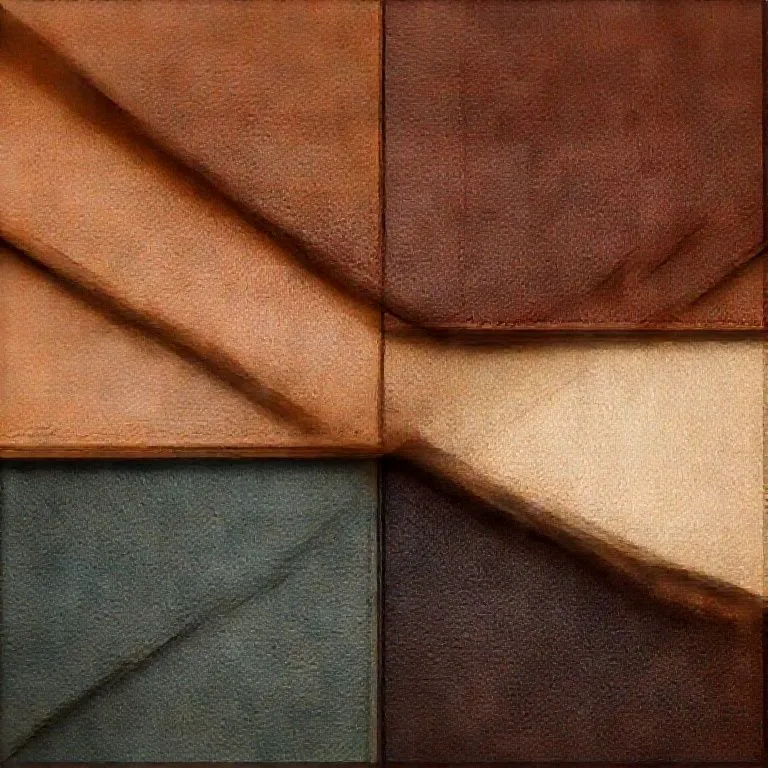
Leather is a durable and flexible material created by tanning animal rawhide and skins. The most common raw material is cattle hide.
Description of what it is like
Leather is tough yet pliable. It has a characteristic smell and a natural texture. It can be dyed, embossed, and polished.
Origin and where to find it
- Environments: Anywhere livestock or wild animals are found.
- Signs: It is obtained from the skin of mammals, reptiles, or birds.
- It is a processed material derived from natural sources.
Minimum processing required
- Skinning: Removing the hide from the animal.
- Cleaning: Removing meat, fat, and hair.
- Tanning: Treating with tannins (from bark, etc.) or minerals to stop decay and keep it flexible.
- Finishing: Oiling, dyeing, or polishing.
Tools needed to work on it
- Scraping tools for cleaning the hide.
- Tanning vats or containers.
- Awls and needles for sewing.
- Knives for cutting.
Common forms of use
- Rawhide: Untanned, very stiff when dry (used for drums or bindings).
- Tanned Leather: Flexible and durable for garments.
- Suede: Leather with a napped finish.
Possible substitutes
- Synthetic Leather (Vinyl/PU): Modern alternatives.
- Heavy Textiles: Canvas or denim.
- Plant Fibers: Like flax or hemp for some applications.
Limitations and common failures
- Mold: Can rot or mold if kept in damp, unventilated conditions.
- Drying: Can become brittle if it loses its natural oils.
- Stretching: Can lose its shape over time under tension.
Risks and safety
- Biological hazards: Raw hides can carry bacteria and parasites.
- Chemical hazards: Traditional tanning can involve harsh substances (though plant tannins are safer).
Related materials
- Wool: Often comes from the same animals.
- Bone: Another animal byproduct.
- Plant Fibers: Used for sewing leather pieces together.
Properties
- Durable
- Flexible
- Strong
- Water-resistant
Used for
- Clothing
- Footwear
- Bags
- Armor
- Watercraft lashing
Manufacturing / Process
Produced by tanning animal rawhides and skins to preserve them and make them flexible.