NaturalGenerated with AI3 min read
Textile Dye
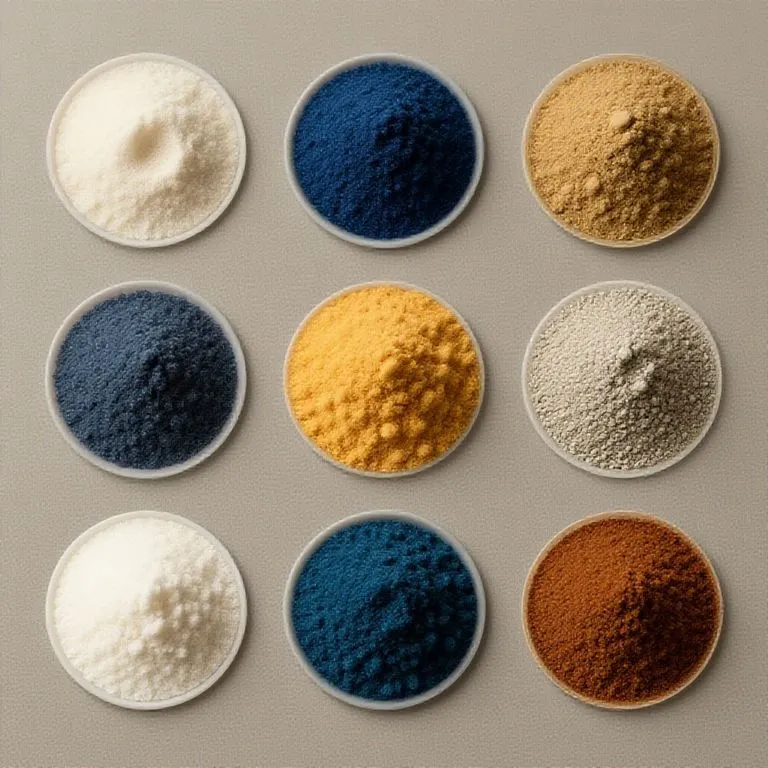
Textile dyes are substances capable of chemically bonding with fibers to impart permanent color. Unlike pigments (which sit on the surface), dyes penetrate the fiber structure.
Description of what it is like
Usually found as a colored liquid bath during the process, or as dried powders/pastes of the raw dyestuff. The color of the dye bath is often different from the final color on the fabric due to chemical reactions with the mordant.
Origin and where to find it
- Plants: Roots (Madder - Red), Leaves (Indigo/Woad - Blue, Weld - Yellow), Flowers (Saffron - Yellow), Bark (Oak - Brown/Black).
- Insects: Cochineal or Kermes (on cacti/oaks) produce intense reds.
- Minerals: Iron oxide (rust) or copper salts.
- Mollusks: Murex snails (Purple).
Minimum processing required
- Collection: Gathering the plant parts or insects.
- Extraction: Chopping and boiling in water to release the color. Fermentation is required for some dyes like Indigo.
- Mordanting: Treating the fabric with a metal salt (like Alum) so the dye can bite (bind) to it.
- Dyeing: Simmering the fabric in the dye bath.
- Washing: Removing excess dye.
Tools needed to work on it
- Pots/Vats: Non-reactive (ceramic or stainless steel preferred) for boiling.
- Stirring sticks: Wood or glass.
- Grinding tools: Pestle and mortar for roots/insects.
- Thermometer: Helpful but not strictly necessary (simmering point).
Common forms of use
- Immersion Dyeing: Dipping the whole fabric/yarn.
- Tie-Dye/Resist: Blocking areas with wax or string to create patterns.
- Painting: Applying thickened dye directly.
Possible substitutes
- Stains: Berry juices (often fade quickly/wash out).
- Pigments: Earths mixed with binders (paint), stiffer and can crack.
- Smoke: Smoking skins/fabric imparts a yellow/brown color and waterproofing.
Limitations and common failures
- Fading: Sunlight (UV) destroys many natural colors.
- Wash fastness: Without mordants, colors bleed or wash out.
- Material specificity: Wool/Silk (protein) dye easily; Cotton/Linen (cellulose) are harder to dye.
Risks and safety
- Toxicity: Some mordants (Chrome, Tin, Copper) are toxic. Some dye plants are poisonous.
- Burns: Handling large pots of boiling water.
Related materials
- Alum: The most common mordant for bright, clear colors.
- Fabric: The substrate being dyed.
- Clothing: The final product.
- Paint: Surface color alternative when fiber bonding is not needed.
- Brush: Localized application of thickened dye.
- Fabric Dyeing: Full process for textile coloration.
- Vinegar: Used as a modifier or pH adjuster.
- Ash: Source of lye for cleaning or modifying colors.
Properties
- Soluble
- Colorful
- Permanent (if mordanted)
- Liquid
Used for
- Clothing coloration
- Art
- Camouflage
- Status identification
- Ink manufacturing
Manufacturing / Process
Extraction of pigments from plants/insects and fixation with mordants.