Generated with AI2 min read
Spindle
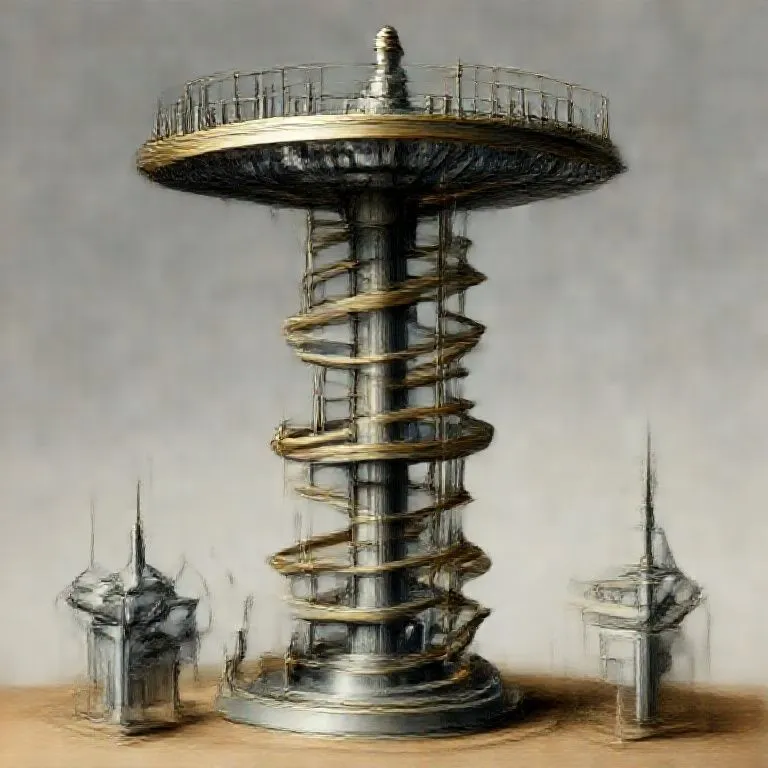
Brief description
A straight spike usually made of wood used for spinning, twisting fibers such as wool, flax, hemp, or cotton into yarn. It often includes a weight (whorl) to help maintain the spin.
Use / Function
- Primary use: Spinning loose fibers into strong, continuous yarn or thread.
- Secondary uses: Plying multiple strands of yarn together.
- Scale: Individual/Domestic.
Operating Principle
The spindle relies on angular momentum.
- Twist: The spindle is spun (twirled) by hand or against the thigh.
- Inertia: The weight (whorl) keeps the spindle rotating.
- Transfer: As it rotates, the twist travels up the fibers, locking them together.
- Storage: Once a length is spun, it is wound onto the spindle shaft.
How to create it
Minimum functional version (Drop Spindle)
- Shaft: A straight stick (approx. 20-30 cm).
- Whorl: A disc-shaped weight (clay, stone, wood, or even a potato) with a hole in the center.
- Assembly: Fit the whorl onto the shaft (near the bottom or top).
- Hook/Notch: A notch or hook at the top to secure the thread while spinning.
Technical level
Basic.
Materials needed
- Essential materials:
- Wood (for the shaft).
- Weight material (clay, stone, wood, bone) for the whorl.
- Tools:
- Knife (to carve the shaft).
- Drill or sharp stone (to make the hole in the whorl).
Variants and improvements
- Drop Spindle: Suspended in the air while spinning; good for strong fibers.
- Supported Spindle: The tip rests in a bowl; good for short or delicate fibers (like cotton).
- Spinning Wheel: Mechanized version that rotates the spindle via a wheel and belt (faster).
Limits and risks
- Speed: Slower than a spinning wheel.
- Capacity: Can only hold a limited amount of yarn before it needs to be wound off.
- Learning curve: Requires practice to maintain an even spin and consistent yarn thickness.