SyntheticGenerated with AI3 min read
Paper
Made of
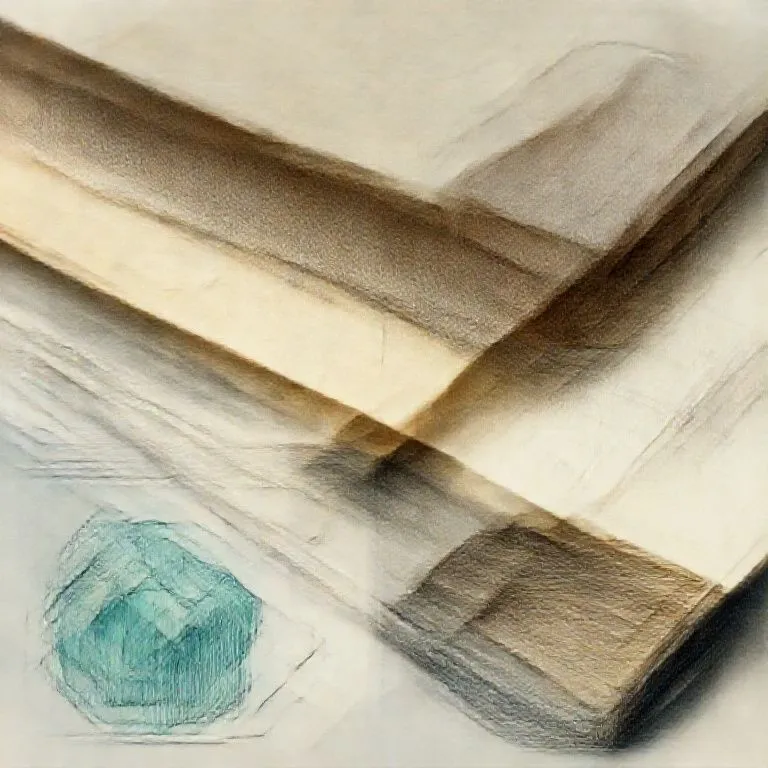
Paper is a thin sheet material produced by mechanically or chemically processing cellulose fibers derived from wood, rags, grasses or other vegetable sources in water, draining the water through fine mesh leaving the fiber evenly distributed on the surface, followed by pressing and drying.
Physical Description
Paper typically appears as thin, flexible sheets of white or cream color, although it can be dyed. It has a texture that can range from very rough to extremely smooth and glossy. It is lightweight and easy to cut or fold.
Origin and where to find it
- Environments: It is a manufactured product. Raw materials (cellulose) are found in almost all plants: trees (wood), cotton, linen, hemp, straw, bamboo, etc.
- Signs: Look for fibrous plant sources.
- It is a processed material.
Minimum processing required
- Fiber Sourcing: Collect old rags (traditional European method) or plant bark/wood.
- Maceration/Pulping: Beat and crush the fibers in water to separate them individually. Often allowed to ferment or boiled with ash (lye) to remove lignin and other impurities.
- Sheet Formation: Dip a frame with a mesh (mould) into the fiber suspension and lift it horizontally to capture a layer of intertwined fibers while water drains away.
- Pressing: Place the wet sheet between felts and apply pressure to expel water and consolidate the fibers.
- Drying: Hang the sheets or spread them out to air dry.
- Sizing (Optional): Treat the surface with gelatin or starch so that ink does not spread (important for writing).
Tools needed to work on it
- Mallet or Mill: To crush fibers into pulp.
- Vat: Large container for the water and fiber suspension.
- Mould and Deckle: A wooden frame with a wire or cloth mesh (mould) and an upper frame (deckle) to define the sheet edges.
- Felts: Woolen cloths to separate wet sheets during pressing.
- Press: To squeeze water out of the stack of paper and felts.
Common forms of use
- Laid Paper: Handmade paper showing the lines of the mould mesh.
- Vellum/Parchment (Imitation): Paper treated to resemble animal skin, very durable.
- Cardboard: Multiple layers of paper pressed together for rigidity.
Possible substitutes
- Papyrus: Strips of plant stem glued together, not felted fibers. More brittle.
- Parchment/Vellum: Treated animal skin. Very durable and smooth, but expensive to produce.
- Clay or Wax Tablets: For temporary notes or durable but bulky records.
- Bark (Amate): Pounded inner bark of trees, similar to paper but more rustic.
Limitations and common failures
- Moisture: Paper disintegrates or warps if it gets wet (unless treated).
- Acidity: Paper made from untreated wood pulp turns yellow and brittle over time due to lignin and residual acids.
- Fire: Highly flammable.
- Pests: Insects (silverfish, termites) and rodents can eat it.
Risks and safety
- Cuts: Paper edges can be sharp.
- Chemicals: Modern industrial bleaching and pulping use corrosive chemicals, but the traditional method is relatively safe.
Related Knowledge
Related materials
- Cellulose: The main chemical component.
- Water: Essential for the sheet formation process.
- Ink: The natural complement to paper for communication.
- Glue/Starch: Used for surface sizing.
Properties
- Thin
- Flexible
- Absorbent
- Combustible
- Printable
Used for
- Writing
- Printing
- Packaging
- Cleaning
- Filtration
Manufacturing / Process
Pressing together moist fibers of cellulose pulp derived from wood, rags or grasses, and drying them into flexible sheets.