Generated with AI3 min read
Syngas Generator
Made of
Brief description
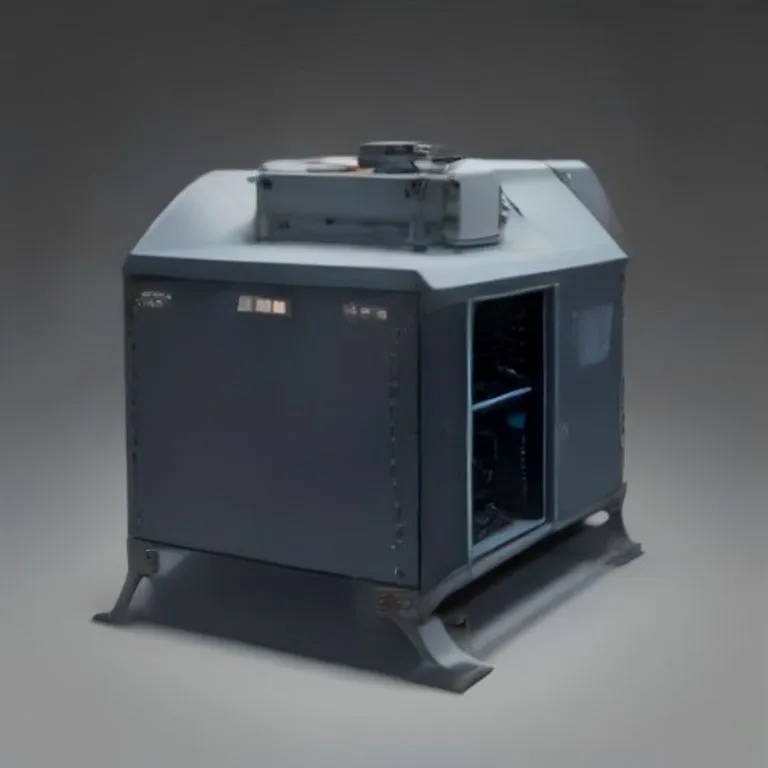
A syngas generator (also known as a producer gas plant or biomass gasifier) is a thermochemical reactor that converts solid carbonaceous fuel (wood chips, charcoal, agricultural waste) into a combustible fuel gas mixture consisting primarily of carbon monoxide, hydrogen, and methane.
Use / Function
- Engine Fuel Supply: Running internal combustion engines and power generators without liquid petroleum fuels.
- Industrial Process Heating: Supplying combustible gas to metal smelting furnaces, kilns, and boilers.
- Mechanical Power: Driving machinery, sawmills, and water pumps using biomass harvested from local forests or crops.
Operating principle
The gasifier works by controlling thermo-chemical reactions across four distinct zones:
- Drying Zone (100–200°C): Heat evaporates residual moisture from the solid biomass fuel.
- Pyrolysis Zone (200–500°C): Biomass thermally decomposes into volatile gases, tar vapors, and solid charcoal.
- Combustion Zone (800–1200°C): A controlled amount of air is introduced; oxygen reacts with charcoal to generate heat and carbon dioxide.
- Reduction Zone (500–900°C): Carbon dioxide and water vapor pass through a bed of red-hot glowing charcoal, reacting chemically to produce carbon monoxide (CO) and hydrogen gas (H₂).
How to create it
- Reactor Vessel Construction: Construct a heat-resistant cylindrical vessel using heavy steel pipe or sheet metal lined with refractory ceramic or clay.
- Air Nozzles (Tuyeres): Install angled air inlet nozzles around the hearth throat to inject controlled air into the combustion zone.
- Grate & Ash Pit: Mount a steel shaking grate at the bottom of the reduction zone to drop ash into a sealed collection chamber.
- Cooling & Filtering System: Connect the hot gas outlet pipe to a pipe radiator cooler and a dry filter (filled with sawdust or charcoal) to strip out ash and tar.
- Gas Mixing Valve: Route the scrubbed gas to a simple dual-port valve to mix syngas with atmospheric air before entering the engine intake manifold.
Materials needed
- Reactor Shell & Piping: Steel pipes and Sheet Metal containers.
- Biomass Fuel: Solid Wood chips, timber waste, or Charcoal.
Variants and improvements
- Downdraft Gasifier: Air flows downward with the fuel; tars are burned in the hot hearth, producing clean gas ideal for internal combustion engines.
- Updraft Gasifier: Air enters from the bottom; highly efficient for thermal boilers but produces heavy tars requiring extensive filtering.
- Crossdraft Gasifier: Fast-responding design optimized for dry charcoal fuel.
Limits and risks
- Carbon Monoxide Poisoning: Produces odorless, colorless, lethal carbon monoxide gas; must always be operated outdoors or in well-ventilated spaces.
- Tar Contamination: Insufficient hearth temperatures or wet wood produce tar that clogs engine valves and ruins cylinders.
- Explosion Risk: Accidental mixing of syngas with air inside hot containment before ignition can trigger violent gas explosions.