Generated with AI3 min read
Wood Gasifier
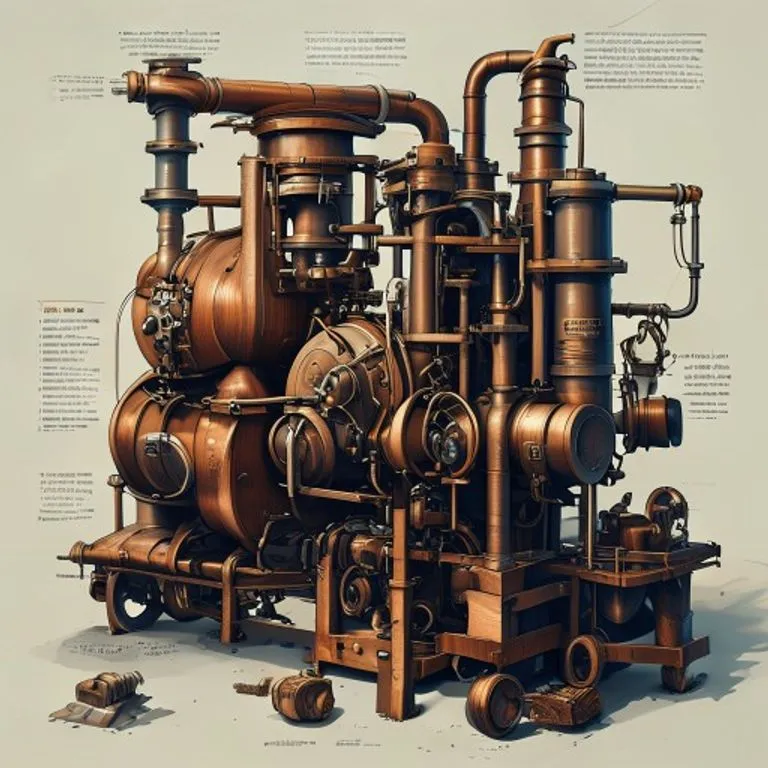
Brief description
A wood gasifier is a device that converts wood or charcoal into wood gas (also known as syngas), which can be used as a fuel for internal combustion engines or for heating and cooking. It is a critical technology for maintaining mobility and power generation when liquid petroleum fuels are unavailable.
Use / Function
- Engine Fuel: Providing a combustible gas to run modified gasoline or diesel engines.
- Heating: Efficiently burning wood gas for industrial processes or domestic heating.
- Power Generation: Running stationary generators to produce electricity in remote areas.
Operating principle
The gasifier works through a process called thermochemical gasification. It involves four main stages:
- Drying: Heat from the hearth evaporates moisture from the wood.
- Pyrolysis: In the absence of oxygen, wood breaks down into charcoal and volatile gases.
- Combustion: Limited oxygen is introduced to burn some of the charcoal and gases, providing the heat for the other stages.
- Reduction: The combustion products (CO2 and H2O) pass through a bed of hot charcoal, where they are reduced to carbon monoxide (CO) and hydrogen (H2), the primary combustible components of wood gas.
How to create it
Improvised Downdraft Gasifier
- Hopper: A large metal drum to hold the wood fuel.
- Hearth: A narrower, insulated section where combustion and reduction occur. It should have air intake nozzles (tuyeres).
- Grate: A heavy mesh at the bottom to support the charcoal bed while allowing ash to fall through.
- Cooling Unit: A series of pipes or a radiator to cool the hot gas (cool gas is denser and better for engines).
- Filter System: A container filled with wood chips, sawdust, or fabric to remove soot and tar from the gas before it enters the engine.
Materials needed
- Body/Hopper: Steel or Iron drums.
- Hearth: High-temperature resistant steel or ceramic lining.
- Seals: High-heat gaskets or clay.
- Fuel: Wood (dry, cut into small chunks) or Charcoal.
- Cooling: Steel pipes or a converted radiator.
Variants and improvements
- Updraft Gasifier: Simplest design, but produces a lot of tar (suitable for heating, not engines).
- Downdraft Gasifier: Forces gases through the hot charcoal bed, cracking most of the tars (best for engines).
- Cross-draft Gasifier: Quick to start, typically uses charcoal.
Limits and risks
- Carbon Monoxide: Wood gas is highly toxic due to high CO content. Never operate indoors.
- Tar Buildup: Poorly filtered gas will quickly ruin an internal combustion engine by gumming up valves and pistons.
- Lower Power: Wood gas has lower energy density than gasoline; engines typically lose 30-40% of their rated power.
Related Inventions
- Internal Combustion Engine
- Furnace
- Filter (Principle)
- Bellows (For startup)