SyntheticGenerated with AI2 min read
Sheet Metal
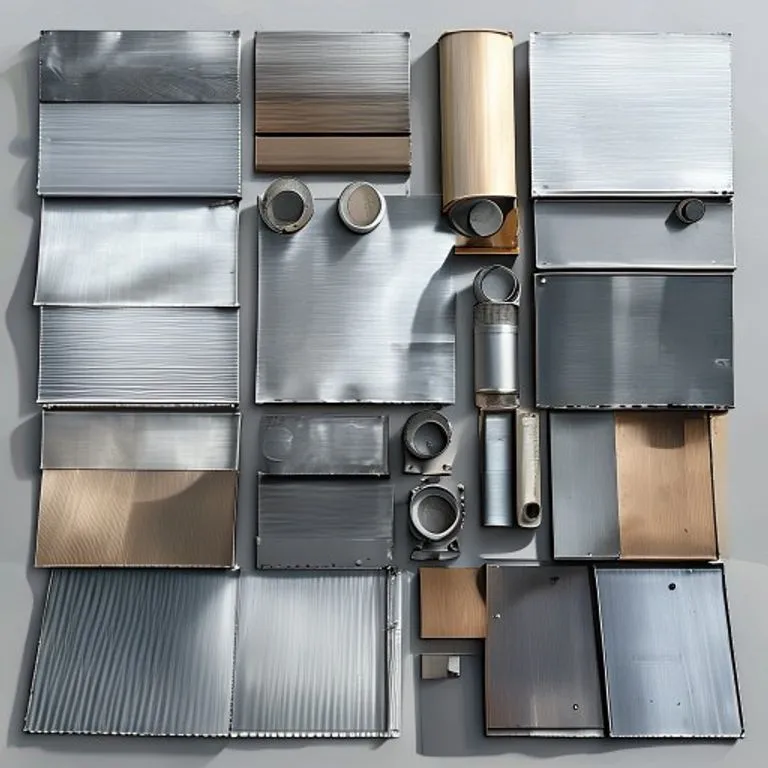
Brief description
Sheet Metal is metal formed by an industrial process into thin, flat pieces. It is one of the fundamental forms used in metalworking and can be cut and bent into a variety of shapes.
Properties
- Thickness (Gauge): Can range from extremely thin foil to thick plate.
- Formability: Can be bent, curled, and drawn into complex shapes without breaking.
- Strength: Depends on the material and work hardening during rolling.
- Surface Finish: Can be smooth, polished, or textured.
Uses
- Construction: Roofing, gutters, siding, and flashing.
- Transportation: Car bodies, airplane wings, and train cars.
- Containers: Cans, barrels, and tanks.
- Tools/Appliances: Casings for machines and electronics.
Manufacturing Process
- Melting: Metal is melted and cast into large rectangular ingots or slabs.
- Hot Rolling: The slab is heated and passed through a Rolling Mill multiple times to reduce thickness.
- Pickling: Acid bath removes scale and oxides.
- Cold Rolling: Further rolling at room temperature for precise thickness and smooth finish.
- Annealing: Heating to relieve internal stresses and restore ductility.
Variants
Properties
- malleable
- ductile
- flat
- thin
Used for
- roofing
- vehicle-bodies
- containers
- armor
- cookware
Manufacturing / Process
Produced by passing metal ingots through a [Rolling Mill](/en/inventions/rolling-mill).