Generated with AI3 min read
Steam Hammer
Brief description
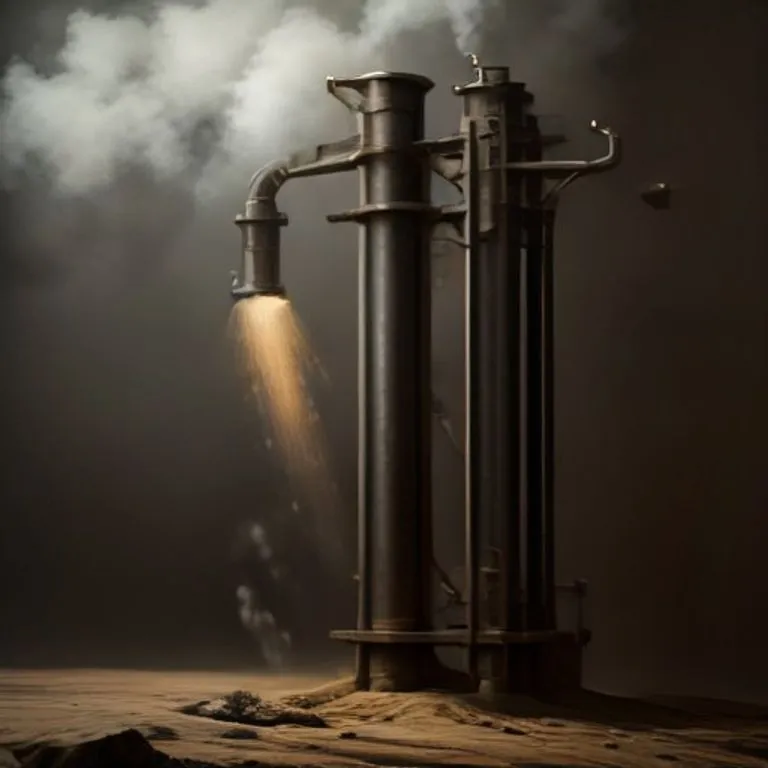
A industrial power hammer driven by steam pressure, designed for heavy forging, shaping large metal ingots, and manufacturing heavy structural ironwork. Invented during the Industrial Revolution, the steam hammer made large-scale heavy metal forging possible for steamship shafts, railway axles, and industrial machinery.
Use / Function
- Heavy Forging: Shaping massive iron and steel billets, blooms, and ingots into structural shafts, anchors, and machine parts.
- Manufacturing: Stamping and forging heavy industrial components with repeatable force.
- Scale: Heavy industrial manufacturing.
Operating principle
- Steam Elevation: High-pressure steam from a Boiler is admitted into a vertical cylinder above a heavy piston.
- Lifting the Ram: The steam pushes the piston upward, elevating a massive iron hammer head (ram) weighing several tons.
- Impact Stroke: Opening the exhaust valve allows gravity—or additional steam pressure applied to the top of the piston—to drive the heavy hammer downward with immense kinetic energy onto the workpiece placed on an anvil.
- Control Valve: A hand-lever operated slide valve controls the frequency, height, and force of the impact, allowing operators to deliver anything from delicate taps to massive bone-crushing blows.
How to create it
- Frame Construction: Cast a rigid A-frame or double-housing structure from Cast Iron capable of absorbing extreme vibrational shocks.
- Cylinder & Piston: Machine a heavy vertical steam cylinder mounted at the top of the frame, housing a Piston fitted with steam-tight rings.
- Hammer Ram: Connect the piston rod to a heavy forged steel or cast iron block (ram) sliding along vertical guide slots in the frame.
- Anvil Base: Set a massive separate anvil block into deep foundations on timber cushions beneath the frame to isolate shock from surrounding buildings.
- Valve Mechanism: Install a steam valve connected to control levers for regulating steam intake and exhaust.
Materials needed
- Frame & Cylinder: Heavy Cast Iron or forged Iron.
- Ram Head & Anvil Block: Hardened Steel or heavy cast iron.
- Foundation Base: Large hardwood timber beams (Wood) embedded on bedded gravel or masonry to dampen shock.
- Power Source: High-pressure steam generated with Water and fuel inside a Boiler.
Variants and improvements
- Single-Acting Steam Hammer: Steam only lifts the ram; gravity delivers the strike.
- Double-Acting Steam Hammer: Steam is admitted above the piston during the downstroke to accelerate the hammer, vastly increasing strike energy.
- Pneumatic Power Hammer: Uses compressed air instead of steam, common in smaller modern blacksmith shops.
Limits and risks
- Vibrational Damage: Severe impact shocks can crack surrounding buildings and foundations if not cushioned properly.
- High Pressure Hazards: Steam leaks, cylinder bursts, or valve stickiness pose severe scalding and crushing risks.
- High Energy Demands: Requires continuous high-pressure steam supply from robust boilers.