Generated with AI2 min read
Building
Brief description
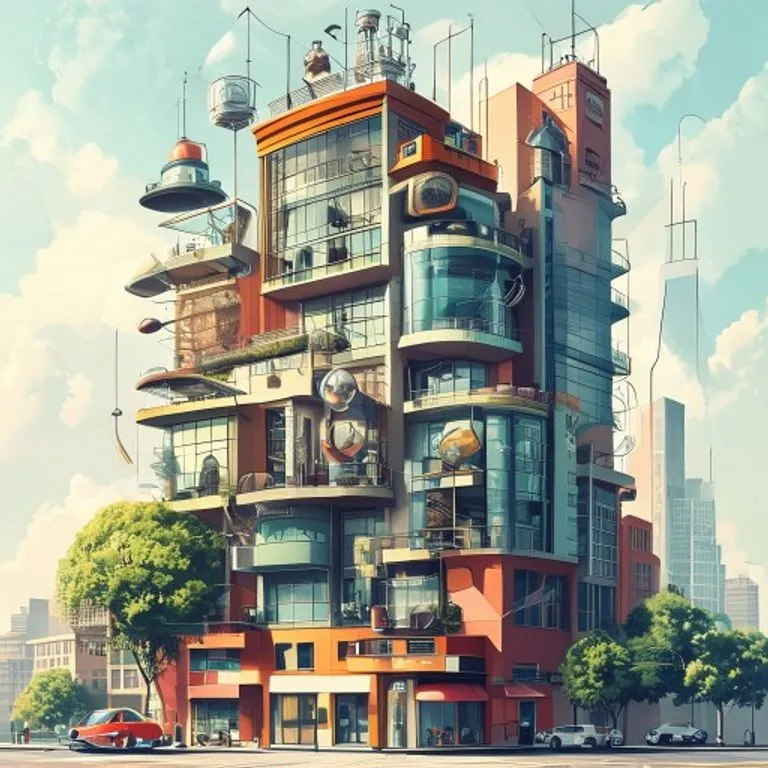
A Building is a permanent structure with a roof and walls, standing more or less permanently in one place, such as a house or factory. It provides shelter for human activity.
Use / Function
- Shelter: Protects people and property from weather (rain, wind, sun, cold).
- Security: Provides safety from intruders and animals.
- Activity Space: Creates a controlled environment for living, working, storage, or assembly.
- Symbolism: Represents culture, status, or religious significance.
Operating principle
A building works as a system of systems:
- Structure: The skeleton (Frame, Wall, Foundation) resists gravity and lateral forces.
- Enclosure: The skin (Roofing, siding, Window, Door) separates indoor from outdoor environments.
- Services: Systems for comfort and utility (Heating, Plumbing, Lighting).
How to create it
- Planning: Determine the function, site, and budget. Design the layout.
- Site Preparation: Clear the land and excavate for the Foundation.
- Structure: Build the Foundation, then the **Wall**s or Frame.
- Roofing: Install the roof structure and covering (Roofing) to make it watertight.
- Enclosure: Install windows and doors. Apply exterior cladding.
- Finishing: Install interior walls, floors, and services.
Materials needed
- Structural: Wood, Steel, Concrete, Stone, Brick.
- Enclosure: Glass, siding, Tile.
- Finishing: Plaster, paint, flooring.
Variants and improvements
- Residential: Houses, apartments (focus on comfort).
- Commercial: Offices, shops (focus on utility and access).
- Industrial: Factories, warehouses (focus on large spans and durability).
- Institutional: Schools, hospitals (focus on safety and sanitation).
- High-rise: Skyscrapers using steel frames and elevators.
Limits and risks
- Collapse: Structural failure due to poor design, earthquakes, or overloading.
- Fire: Buildings trap heat and smoke; fire safety is critical.
- Maintenance: All buildings degrade over time (rot, rust, weathering) and require upkeep.
- Environment: Buildings consume vast amounts of energy and materials.