Generated with AI2 min read
Basic shelter
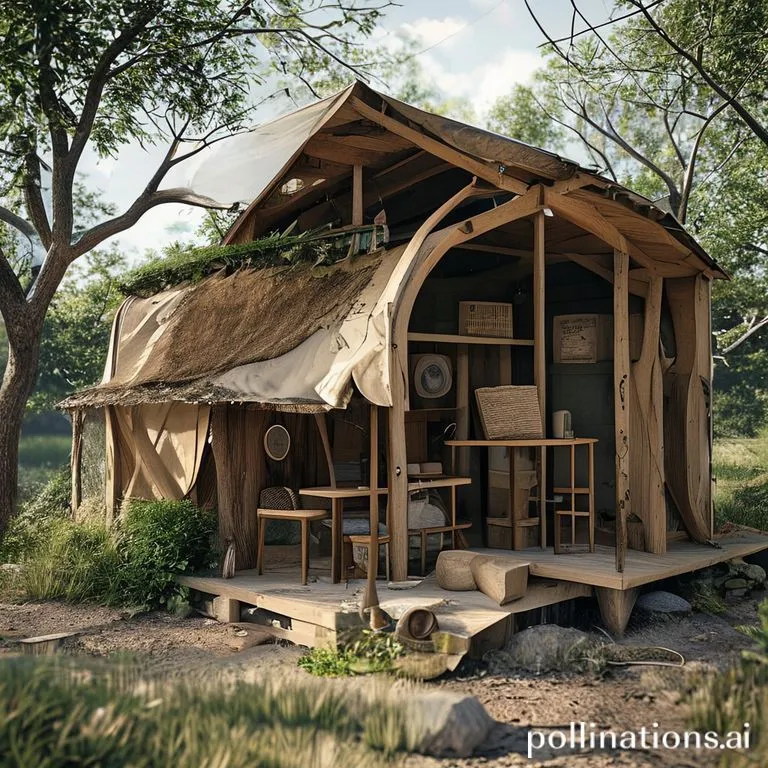
Brief description
A basic shelter is a structure designed to protect humans from inclement weather, predators, and external threats. It combines a support structure with layers of insulation.
Use / Function
- Thermal protection: Maintain body heat and protect against wind, rain, or sun.
- Security: Delimited space against animals or intruders.
- Storage: Dry place to store food and tools.
- Scale: Domestic (individual or family).
Operating principle
It uses materials with low thermal conductivity for insulation and rigid materials for structural integrity. The design usually includes a slope for water drainage and an enclosed space to trap static air (which acts as an insulator).
How to create it
- Structure: Drive wooden posts into the ground or lean them against each other (teepee or lean-to shape).
- Cover: Interweave branches, place skins, or apply layers of straw/leaves over the structure.
- Insulation/Sealing: Apply mud (clay) in the cracks to prevent drafts or add thick layers of plant material.
- Technical level: Basic.
Materials needed
- Essential: Logs or thick branches for the structure, foliage, skins, or bark for the cover.
- Tools: Stones for striking, ropes (plant-fibers) for tying.
- Substitutes: Natural caves, snow (igloo), stacked stones.
Variants and improvements
- Brush shelter: Very fast to build, minimal protection.
- Skin tent: Portable and excellent insulation.
- Log/Mud cabin: Permanent, very resistant and thermally efficient.
Limits and risks
- Fire: Materials are usually highly flammable.
- Collapse: A poor structure can fall under the weight of snow or strong wind.
- Moisture: Without good ventilation, mold or condensation can accumulate.