Generated with AI2 min read
Window
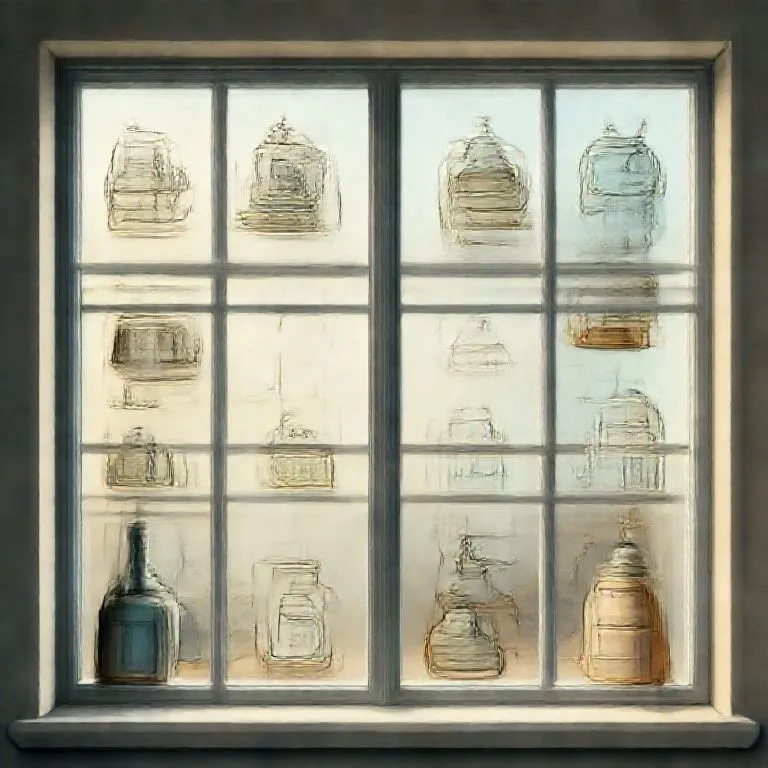
Brief description
A window is an opening in a wall or roof that allows light and, if not fixed, air to pass through, while maintaining isolation from the outside.
Use / Function
- Natural Lighting: Allows sunlight into the interior of buildings.
- Ventilation: If openable, allows air exchange.
- Insulation: Protects from wind, rain, and extreme temperatures (especially with glazing).
- Visibility: Allows viewing the outside without leaving.
Operating principle
It relies on using a transparent or translucent material that physically blocks passage (wind, objects) but permits the passage of visible electromagnetic radiation (light).
How to create it
- Frame: Build a rigid frame (wood or stone) that fits into the wall opening.
- Sash (Optional): A movable structure within the frame if opening is desired.
- Glazing: Fix the transparent material (glass, oiled paper) to the frame or sash using putty or beads.
- Technical Level: Intermediate. Requires precise carpentry and access to transparent materials.
Materials needed
- Essential: Material for the frame (wood), transparent material (glass).
- Tools: Saw, hammer, chisel.
- Substitutes: Oiled paper, thin cloth, scraped animal skin (parchment), mica sheets, flattened horn.
Variants and improvements
- Simple Hole: Only air and light, no protection (primitive).
- Paper/Cloth Window: Wind protection but poor thermal insulation (common in traditional Asia).
- Single Glazing: Good light passage and wind protection.
- Double Glazing: Two layers of glass with air in between for superior thermal insulation (modern).
Limits and risks
- Heat Loss: It is the weakest point of a building’s thermal insulation.
- Fragility: Glass is easily broken, posing a security risk and injury hazard.
- Greenhouse Effect: Can excessively heat the interior if receiving direct sunlight.