Generated with AI3 min read
Boring Machine
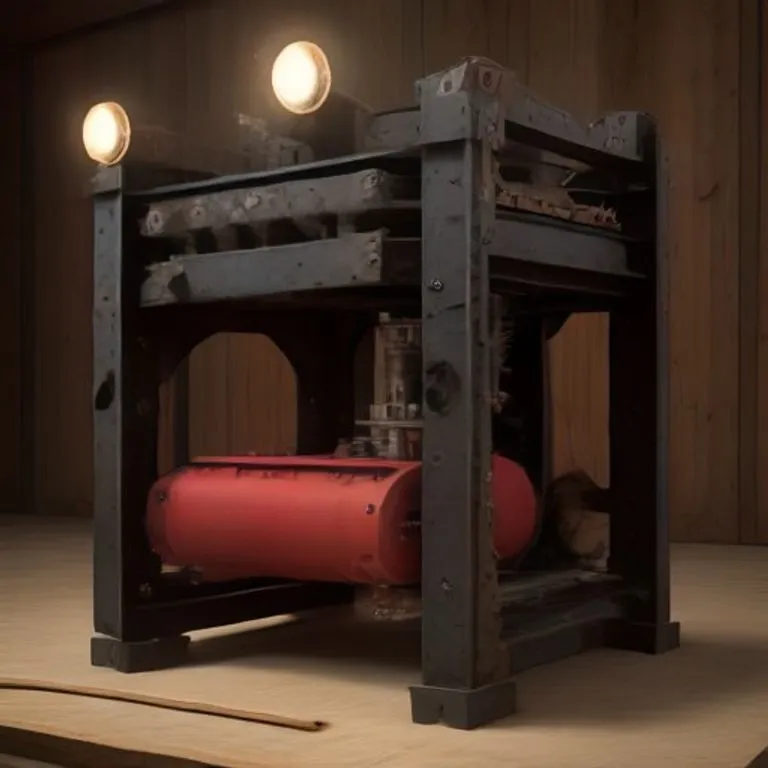
Brief description
A specialized heavy machine tool used to enlarge and true precise cylindrical holes in metal components, most notably the internal cylinders of steam engines, cannons, and hydraulic pumps.
Use / Function
- Engine Cylinder Manufacturing: Essential for producing accurate, smooth, and airtight cylinders for steam engines and internal combustion engines.
- Cannon & Ordnance Production: Used to bore out cast artillery tubes with high concentricity.
- Precision Machinery: Allows creating true cylindrical bores for heavy bearings, pumps, and industrial machinery.
Operating principle
- Rigid Mounting: The workpiece (e.g., a cast iron steam cylinder) is clamped firmly to a heavy bed.
- Guided Cutter Bar: A thick, rigid steel or iron boring bar passes completely through the hollow workpiece.
- Rotational Cutting: A cutter head carrying high-carbon steel cutting tools rotates continuously on the bar.
- Linear Feed: The cutter bar or the workpiece advances steadily along the axis, shaving thin metal ribbons from the internal surface.
How to create it
- Heavy Wooden/Iron Frame: Construct a massive, rigid frame to absorb cutting vibrations and eliminate flex.
- Precision Boring Bar: Mount a heavy, ground cylindrical steel shaft supported at both ends by sturdy bearings.
- Cutter Head: Attach an adjustable tool ring to the shaft with set screws to hold hardened steel cutting bits.
- Feed Mechanism: Integrate a screw drive or gear train powered by a water wheel, steam engine, or manual crank to advance the cutter along the cylinder axis.
Materials needed
- Frame & Bed: Wood (heavy timber) or Cast Iron.
- Cutting Bar & Screws: Steel or Iron.
- Cutting Bits: Hardened Steel.
- Bearings: Brass or Bronze.
Variants and improvements
- Horizontal Boring Machine (Wilkinson style): Bar supported on both ends inside the workpiece; revolutionized steam engine production.
- Vertical Boring Mill: Workpiece rotates on a horizontal table; ideal for large, heavy castings.
- Line Boring Machine: Portable horizontal bar used for repairing engine blocks and large machinery on-site.
Limits and risks
- Deflection & Chatter: Long boring bars can flex or vibrate, causing uneven diameter (tapering or chatter marks).
- Tool Wear: Hard spots in cast iron can dull or chip cutting tools rapidly mid-pass.
- Alignment: Misalignment between the bar axis and workpiece leads to inaccurate cylinders.