SyntheticGenerated with AI2 min read
Bronze
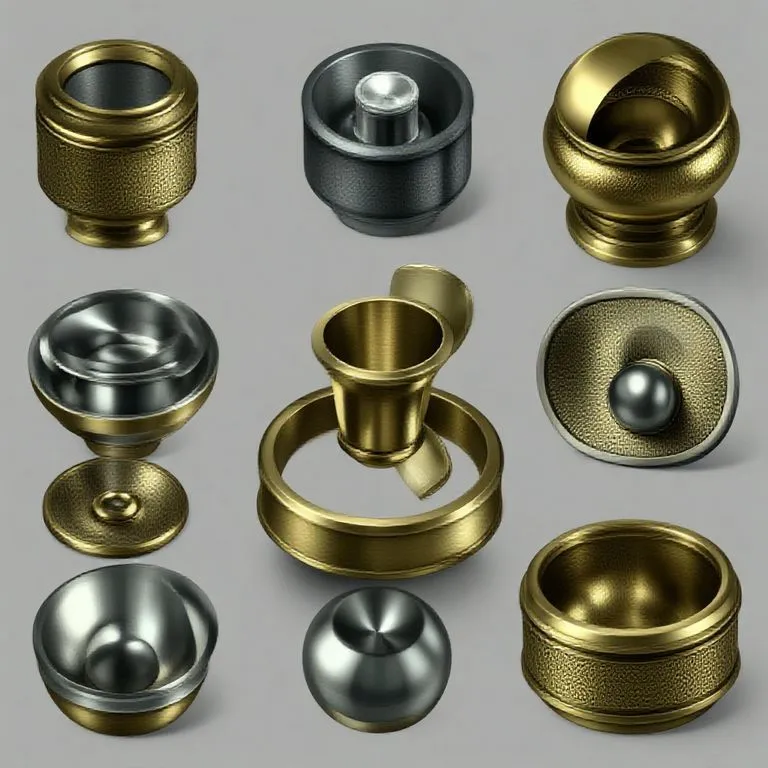
Bronze is an alloy consisting primarily of copper, usually with 12–12.5% tin and often with the addition of other metals. It was the first alloy to be used by humans on a large scale.
Description of what it is like
Bronze has a distinctive brownish-gold color. It is harder than pure copper and much more resistant to corrosion, especially from seawater. Over time, it develops a green protective layer called a patina.
Origin and where to find it
- Environments: Does not occur naturally. It must be created by alloying copper and tin.
- Signs: Found in archaeological sites or specialized industrial production areas.
- It is a synthetic alloy.
Minimum processing required
- Smelting: Extracting copper and tin from their respective ores.
- Mixing: Combining the molten metals in the correct proportions.
- Casting: Pouring the molten alloy into molds to create shapes.
- Work-hardening: Hammering the finished object to increase its hardness.
Tools needed to work on it
- Furnaces capable of reaching over 1000°C.
- Crucibles for melting the metal.
- Molds made of stone, clay, or sand.
- Hammer and anvil for finishing.
Common forms of use
- Cast Bronze: Poured into molds for complex shapes like statues or gears.
- Wrought Bronze: Hammered into shape for tools and weapons.
- Phosphor Bronze: Modern version with added phosphorus for increased strength and low friction.
Possible substitutes
- Copper: Softer and less durable.
- Steel: Much stronger and cheaper for modern use, but harder to produce in antiquity.
- Brass: An alloy of copper and zinc, often used for decorative purposes.
Limitations and common failures
- Brittleness: If the tin content is too high, the bronze can become brittle and snap.
- Cost: Tin is historically rare and expensive to obtain.
- Wear: While hard, it is still softer than steel and will wear down over long periods of use.
Risks and safety
- Fumes: Smelting and alloying can release toxic fumes if impurities like arsenic are present.
- Molten Metal: Severe burn hazard during casting.
Related materials
- Copper: The main ingredient.
- Tin: The essential alloying element.
- Brass: Another copper alloy (using zinc instead of tin).
Related Knowledge
Properties
- Corrosion-resistant
- Durable
- Hard
- Low friction
Used for
- Tools
- Weapons
- Statues
- Musical instruments
- Coins
- Bearings
Manufacturing / Process
Smelting copper and tin together, typically in a 9:1 ratio.