SyntheticGenerated with AI2 min read
Brass
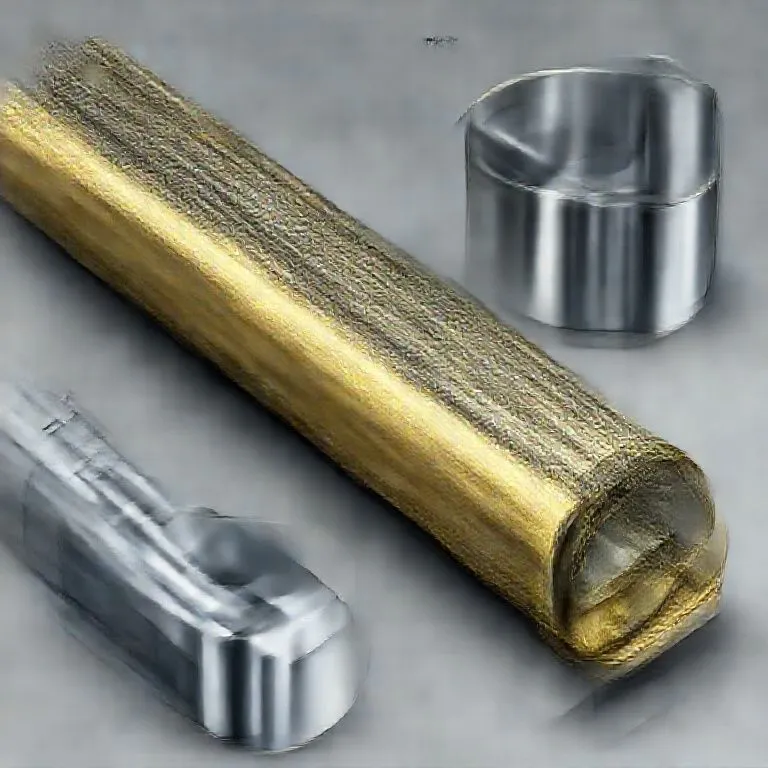
Brass is a metal alloy made of copper and zinc. The proportions of zinc and copper can be varied to create a range of brasses with varying properties. It is known for its bright gold-like appearance.
Description of what it is like
Brass has a bright golden-yellow color, similar to gold but duller. It is more malleable than bronze or zinc. It has excellent acoustic properties, making it ideal for musical instruments. Additionally, it is a material that does not produce sparks upon impact.
Origin and where to find it
- Environments: Does not occur naturally. Must be manufactured by mixing molten copper and zinc.
- Signs: Commonly found in decorative objects, antique instruments, or industrial scrap.
- It is a synthetic alloy.
Minimum processing required
- Smelting: Melt the copper (1085°C) and add the zinc (419.5°C). Zinc is added at the end to prevent excessive vaporization.
- Mixing: Ensure a homogeneous mixture.
- Casting: Pour into molds for ingots or final shapes.
- Annealing: Heat and cool to restore ductility if it has been work-hardened.
Tools needed to work on it
- Smelting furnaces.
- Crucibles (preferably graphite or fireclay).
- Molds.
- Cutting and polishing tools (files, saws).
Common forms of use
- Red Brass: High copper content, more corrosion resistant.
- Yellow Brass: More zinc, stronger but less corrosion resistant.
- Ammunition: Cartridge casings.
- Tools: In explosive environments where sparks are not allowed.
Possible substitutes
- Bronze: Harder and more expensive.
- Copper: Softer, better electrical conductor.
- Steel: Much stronger, but rusts (unless stainless).
Limitations and common failures
- Dezincification: In acidic environments or saltwater, zinc can leach out, leaving a porous and weak copper structure.
- Stress Corrosion Cracking: Susceptible if under stress in the presence of ammonia.
Risks and safety
- Metal Fume Fever: When melting, zinc vaporizes easily forming zinc oxide, which if inhaled causes flu-like symptoms. Good ventilation is required.
Related materials
- Copper: Alloy base.
- Zinc: The other main component.
- Bronze: Sister alloy (Copper + Tin).
Properties
- Corrosion-resistant
- Malleable
- Acoustic
- Low friction
- Non-sparking
Used for
- Musical instruments
- Plumbing
- Locks
- Gears
- Decoration
- Plumb bobs
- Microscopes
- Telescopes
Manufacturing / Process
Alloying copper and zinc, typically with 30-40% zinc.