SyntheticGenerated with AI3 min read
Duct Tape
Made of
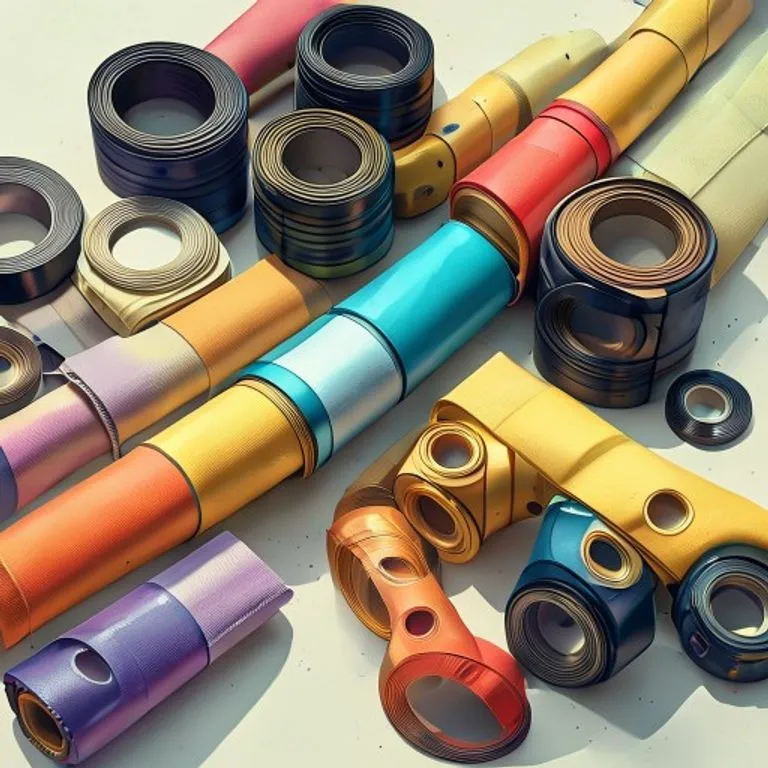
Duct tape is a durable, pressure-sensitive adhesive tape with a cloth backing and a polyethylene coating. It is known for its versatility, strength, and water resistance.
Description of what it is like
It typically comes in silver or black rolls. It has three layers:
- Top layer: A thin film of polyethylene (plastic) that provides waterproofing.
- Middle layer: A fabric mesh (cotton scrim) that gives it tensile strength and allows it to be torn by hand.
- Bottom layer: A thick, rubber-based adhesive that sticks to almost anything.
Origin and where to find it
- Scavenging: Hardware stores, workshops, garages, industrial sites, and homes.
- Signs: Look for rolls in toolboxes or supply closets.
- It is a manufactured product.
Minimum processing required
- None: It is ready to use straight off the roll.
- Cleaning surfaces: For best adhesion, the surface should be clean and dry before applying.
Improvised Manufacture:
While true duct tape is industrial, a functional substitute can be made:
- Backing: Cut strips of Cotton or Canvas.
- Waterproofing: Coat one side with Resin, Beeswax, or Tar.
- Adhesive: Apply a sticky layer of Pine Resin Glue (resin mixed with charcoal) or Natural Rubber to the other side.
- Assembly: Press the adhesive side onto the target surface.
Tools needed to work on it
- Hands: It is designed to be torn by hand across the width.
- Knife/Scissors: For cleaner cuts or longitudinal strips.
Common forms of use
- Repairs: Patching holes in tents, clothing, or containers.
- Sealing: Closing gaps in windows, doors, or ducts (originally for ammo cases, not air ducts!).
- Binding: Strapping items together, splinting broken bones (over padding).
- Cordage: Twisting it makes a strong rope.
- Fire Starter: It is flammable and can be used as tinder.
Possible substitutes
- Tarred Canvas: Cloth impregnated with tar or pitch for waterproofing.
- Birch Bark & Pitch: Natural waterproof patches glued with resin.
- Rawhide: Wet rawhide shrinks as it dries, binding things tightly.
- Electrical Tape: Less strong, stretchier.
Limitations and common failures
- Heat: The adhesive can melt and become messy in high heat.
- Cold: Adhesion fails in freezing temperatures.
- UV Light: The plastic backing degrades and cracks in sunlight over time.
- Residue: Leaves a sticky mess when removed.
Risks and safety
- Skin Irritation: The adhesive can irritate skin if left on for long periods.
- Circulation: Do not wrap tightly around limbs as a tourniquet unless intended; it does not stretch and can cut off blood flow.
- Flammability: Burns vigorously with toxic smoke.
Related materials
- Plastic: The waterproofing layer.
- Cotton: The scrim layer.
- Natural Rubber: The adhesive base.
- Glue: The adhesive component.
- Pine Resin Glue: An improvised adhesive alternative.
Properties
- Waterproof
- Strong adhesion
- Flexible
- Tears by hand
Used for
- Emergency repairs
- Sealing
- Binding
- First aid
- Cordage
Manufacturing / Process
Coating a cloth mesh (scrim) with polyethylene, then applying a rubber-based pressure-sensitive adhesive.