SyntheticGenerated with AI3 min read
Pine Resin Glue
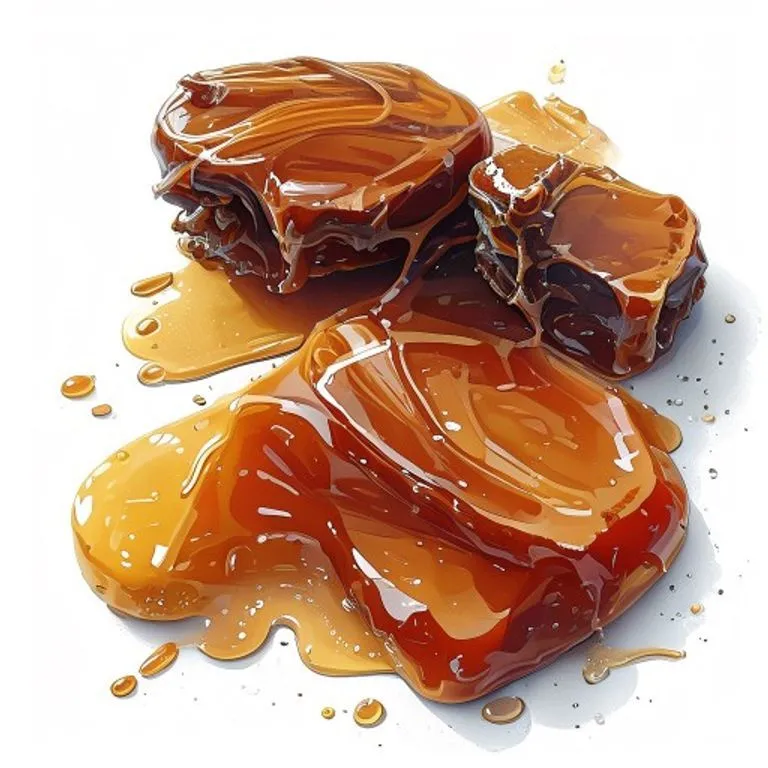
Pine resin glue, often called “pitch glue” or “cutler’s resin,” is a versatile, waterproof adhesive made from natural materials. It has been used for thousands of years to attach stone tools to handles (hafting), seal seams in boats and containers, and repair broken items.
Description of what it is like
In its solid state, it looks like a black or dark brown lump of hard plastic. When heated, it becomes a thick, sticky, black putty or liquid. It smells strongly of pine and woodsmoke. It is a thermoplastic, meaning it can be melted and hardened repeatedly.
Origin and where to find it
- Ingredients:
- Resin: From pine, spruce, or fir trees.
- Charcoal: From a campfire.
- Plasticizer: Beeswax, Animal Fat, or tallow.
- It is a manufactured material.
Minimum processing required
- Collect Resin: Gather hardened globs or fresh sap from damaged coniferous trees.
- Refine Resin: Melt the resin gently and strain out bark and insects.
- Prepare Charcoal: Grind charcoal into a very fine dust.
- Mix: Stir the charcoal dust into the melted resin (approx. 3 parts resin to 1 part charcoal).
- Add Plasticizer: Add a small amount of beeswax or fat (approx. 10-15% of total volume) to prevent brittleness.
- Store: Let it cool on a stick (“glue stick”) or in a container.
Tools needed to work on it
- Heat Source: Fire, coals, or stove.
- Container: A dedicated metal can, shell, or stone bowl (it will be ruined for other uses).
- Stirring Stick: A twig.
- Grinding Stone: To crush the charcoal.
Common forms of use
- Glue Sticks: Dried onto a stick like a lollipop. To use, heat the glue end over a fire until it drips or softens, then daub it on the target.
- Gap Filler: Pushed into gaps while warm and malleable.
- Waterproofing: Smeared over seams in bark containers or canoes.
Possible substitutes
- Birch Tar: Distilled from birch bark, naturally sticky and flexible.
- Spruce Gum: Similar to pine resin but can be used alone.
- Asphalt/Bitumen: Natural tar found in some deposits.
Limitations and common failures
- Brittle: If too much charcoal is added or no plasticizer is used, it will shatter on impact.
- Soft: If too much fat/wax is added, it will not hold strong in warm weather.
- Heat: It melts in hot sun or near fires.
- Cold: It can become brittle in freezing temperatures.
Risks and safety
- Burns: Liquid resin is napalm-like; it sticks to skin and burns severely.
- Fire: Resin vapor is highly flammable. Do not overheat.
Related materials
Properties
- Waterproof
- Strong adhesive
- Thermoplastic
- Hard when cool
Used for
- Hafting tools
- Sealing containers
- Fletching arrows
- Waterproofing
- Fixing breaks
Manufacturing / Process
Melting pine resin and mixing it with crushed charcoal (for strength) and a plasticizer like beeswax or animal fat (for flexibility).