SyntheticGenerated with AI3 min read
Tar
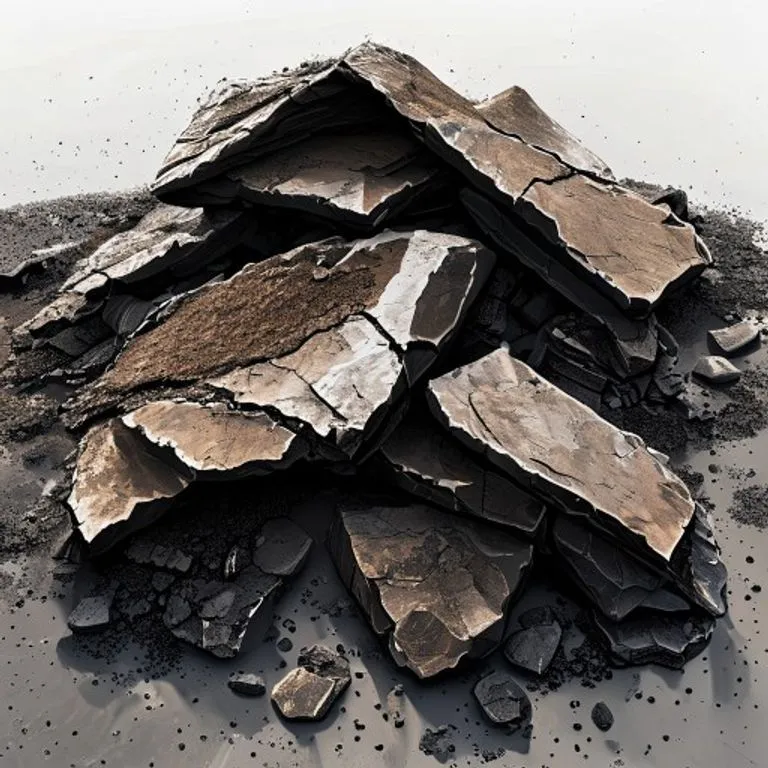
Tar is a dark, thick, oily liquid produced by the destructive distillation of organic matter, such as wood or coal. Pine tar, specifically, has been used for centuries to preserve wood and rope.
Description of what it is like
It is a black or dark brown viscous liquid with a strong, smoky, and distinctive smell. It feels sticky and oily. Unlike pitch, which is solid at room temperature, tar remains liquid or semi-fluid.
Origin and where to find it
- Production: It must be manufactured; it does not occur naturally in this form.
- Sources: Resinous woods (pine stumps, roots), birch bark, or coal.
Minimum processing required
- Preparation: Dig up resin-rich pine stumps or gather birch bark. Cut into small splinters.
- Packing: Pack the wood tightly into a metal container (can) or an earthen pit with a hole in the bottom.
- Heating: Build a fire around the container (or on top of the pit) to heat the wood without burning it (pyrolysis).
- Collection: The heat forces the tar out of the wood; it drips through the bottom hole into a collector vessel.
Tools needed to work on it
- Containers: Two metal cans (one with holes in the bottom, one to catch the tar) or a pit setup.
- Shovel: For digging roots and the pit.
- Fire: To provide the heat for distillation.
Common forms of use
- Wood Preservative: Painted onto siding, boats, and shingles to prevent rot (e.g., “skis”).
- Cordage Treatment: Soaking natural fiber ropes in tar prevents them from rotting in water.
- Soap: Pine tar is added to soap for its antiseptic properties (treating eczema, psoriasis).
- Adhesive: When boiled down further to become Pitch, it becomes a strong hot-melt glue (similar to Pine Resin Glue).
Possible substitutes
- Bitumen: Similar waterproofing properties but from petroleum.
- Resin: Raw sap, stickier but less penetrating.
- Linseed Oil/Tung Oil: For wood preservation (less effective against rot than tar).
- Creosote: A toxic distillate of tar used for railroad ties.
Limitations and common failures
- Drying Time: Tar takes a very long time to dry and soak in; it can remain tacky for weeks.
- Staining: It permanently stains clothing and skin.
- Smell: The strong odor can be overpowering and lingers for a long time.
Risks and safety
- Carcinogens: Coal tar is known to be carcinogenic. Pine tar is generally safer but prolonged exposure should be minimized.
- Flammability: It is highly flammable.
- Burns: The distillation process involves high heat and hot liquids.
Related materials
- Charcoal: The solid byproduct left in the container after extracting the tar.
- Wood: The source material.
- Resin: The raw component in the wood that becomes tar.
- Pine Resin Glue: A similar resin-based adhesive.
- Pitch: Tar that has been boiled down to a solid state.
Related knowledge
- Wood Distillation: Wood tar is a primary byproduct of this process.
Properties
- Viscous
- Waterproof
- Antiseptic
- Preservative
- Flammable
Used for
- Wood preservation
- Waterproofing
- Rope protection
- Soap
- Medicine
- Adhesive
Manufacturing / Process
Destructive distillation of organic matter (pine roots, birch bark, coal) in a low-oxygen environment.