NaturalGenerated with AI3 min read
Natural Rubber
(C5H8)n
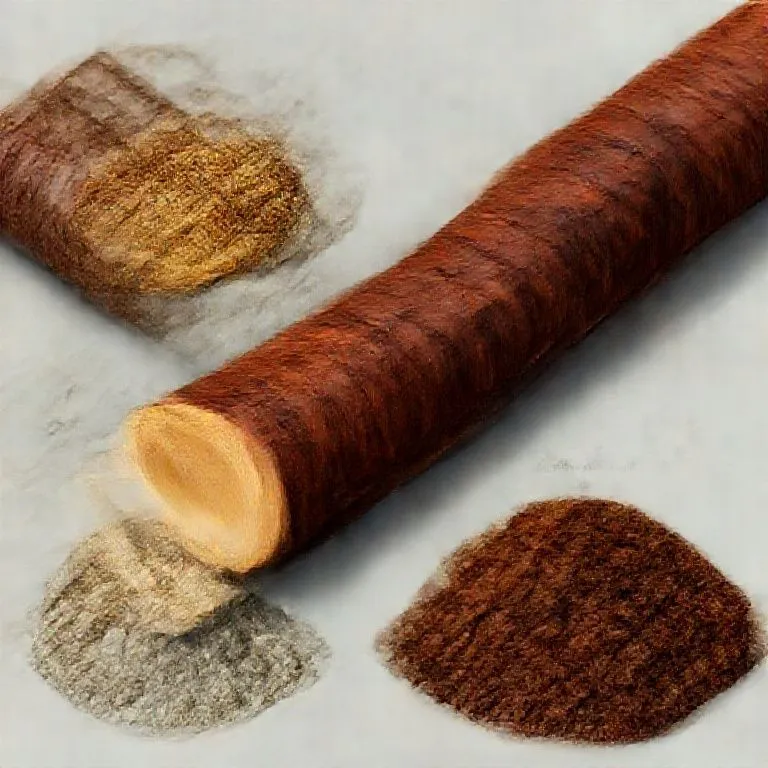
Natural rubber is a resilient, elastic polymer harvested as latex from rubber trees. It can be used as-is for flexible coatings, or Vulcanized to become tougher, more heat resistant, and less sticky.
Description of what it is like
- Appearance: Milky latex that dries into pale tan sheets or blocks.
- Texture: Stretchy and tacky when fresh; smooth and springy when cured.
- Behavior: Softens with heat, stiffens in cold, and rebounds after deformation.
Origin and where to find it
- Environments: Tropical forests and plantations where rubber trees grow.
- Signs: Milky latex bleeding from shallow bark cuts; coagulated clumps on tools.
- Natural vs processed: Latex is natural; sheets, blocks, and vulcanized rubber are processed forms.
Minimum processing required
- Collection: Tap trees and collect latex in clean cups.
- Coagulation: Add mild acid, smoke, or allow natural coagulation.
- Washing and drying: Rinse and press into sheets; dry or smoke to stabilize.
- Optional vulcanization: Heat with sulfur to reduce stickiness and increase durability.
Tools needed to work on it
- Tapping knife or sharp blade.
- Collection cups or troughs.
- Cloth strainers for debris.
- Rolling boards or molds.
- Drying rack or smokehouse.
- Heat source and sulfur for vulcanization.
Common forms of use
- Latex: Coatings, simple adhesives, and waterproofing layers.
- Dried sheets: Cut into straps, pads, and flexible covers.
- Vulcanized rubber: Tires, soles, gaskets, and durable seals.
- Rubberized fabric: Waterproof clothing and gear.
Possible substitutes
- Resin: Waterproofing and sealing, but brittle.
- Beeswax: Flexible sealant, softens with heat.
- Leather: Straps and seals, less elastic.
- Plant fibers: Cords and belts, not waterproof.
- Fabric: Flexible base layers, lacks stretch and sealing.
Limitations and common failures
- UV and ozone cracking: Sunlight and air exposure cause surface cracks.
- Heat sensitivity: Softens and deforms when overheated.
- Cold stiffening: Loses flexibility in low temperatures.
- Oil swelling: Oils and solvents can weaken and swell rubber.
Risks and safety
- Latex allergy: Some people react to natural latex proteins.
- Smoke and fumes: Drying and vulcanization require ventilation.
- Burns: Hot rubber and heated molds can cause injuries.
Related knowledge
- Vulcanization: The process used to harden rubber and improve its properties.
Related materials
- Resin: Another plant exudate used for sealing.
- Beeswax: Natural waterproofing and polish.
- Leather: Durable flexible material for straps.
- Plant fibers: Cordage and flexible bindings.
- Fabric: Base layer for rubberized cloth.
Properties
- Elastic
- Waterproof
- Insulator
- Resilient
- High friction
- Flexible
Used for
- Tires
- Seals and gaskets
- Gloves
- Hoses and belts
- Shock absorption
- Footwear soles
Manufacturing / Process
Latex is tapped from Hevea brasiliensis, filtered, coagulated, washed, and dried. Vulcanization with sulfur improves heat resistance and durability.