SyntheticGenerated with AI2 min read
Canvas
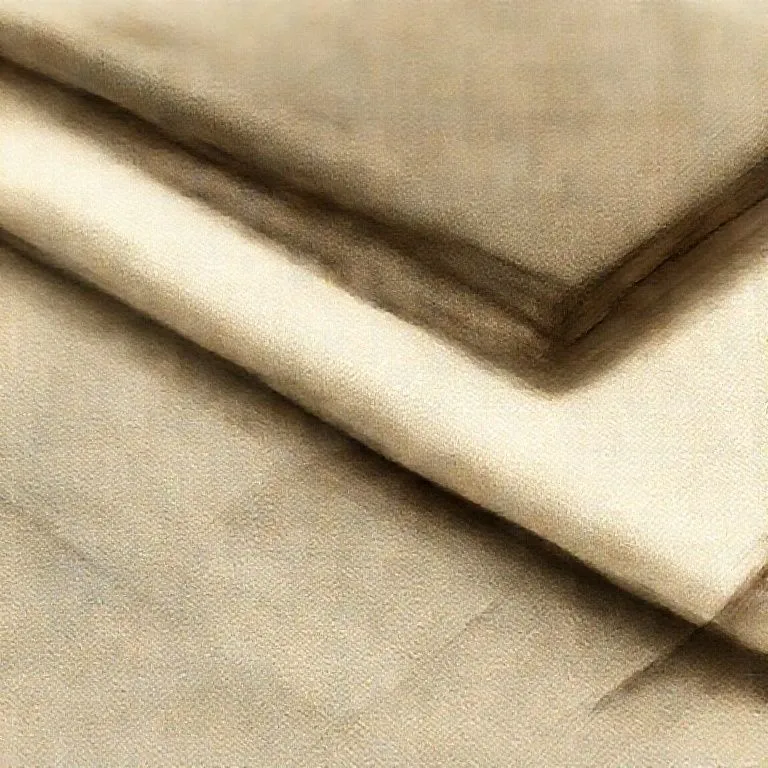
Canvas is an extremely durable plain-woven fabric used for making sails, tents, marquees, backpacks, and other items for which sturdiness is required, as well as in such fashion objects as handbags, electronic device cases, and shoes. It is also popularly used by artists as a painting surface, typically stretched across a wooden frame.
Description of what it is like
Canvas is a heavy, coarse cloth. Unlike other heavy cotton fabrics like denim, canvas has a plain weave rather than a twill weave. It comes in two basic types: plain and “duck” (from Dutch ‘doek’, meaning cloth), with duck being tighter woven.
Origin and where to find it
- Fibers: Originally made from hemp (the word canvas comes from the Arabic word for cannabis). Modern canvas is usually made of cotton or linen.
- Source: Plant stems (hemp, flax) or bolls (cotton).
Minimum processing required
- Harvesting: Collecting the plant fibers.
- Spinning: Twisting fibers into strong, thick yarn.
- Weaving: Using a loom to interlace the yarns in a simple over-under pattern (plain weave).
- Priming (for Art): Applying a size (glue) and a ground (gesso/primer) to prevent oil paint from rotting the fabric.
Tools needed to work on it
- Loom: For weaving the fabric.
- Needle and Thread: Heavy-duty needles (sailmaker’s needles) for sewing.
- Stretcher Bars: Wooden frames to pull the canvas tight for painting.
Common forms of use
- Raw Canvas: Beige/off-white color, used for bags or workwear.
- Primed Canvas: White, stiffened surface ready for painting.
- Waxed Canvas: Treated with wax for water resistance.
Possible substitutes
- Denim: Another strong cotton fabric, but with a diagonal rib (twill).
- Leather: Stronger but heavier and harder to sew.
- Wood Panels: Rigid alternative for painting.
Limitations and common failures
- Rot: Natural fibers will rot if left damp (mildew).
- Tearing: While strong, it can tear under sharp force.
- Slackening: Changes in humidity can cause stretched canvas to go limp or too tight.
Risks and safety
- Flammability: Untreated cotton/linen burns easily.
- Dust: Cutting or tearing dry canvas produces lint.
Related materials
- Cotton/Linen/Hemp: The raw materials.
- Paint: Often applied to canvas.
- Wood: Used for stretcher bars.
- Wax: Used for waterproofing.
Properties
- Strength
- Durability
- Flexibility
- Absorbency
Used for
- Painting surface
- Sails
- Tents
- Bags
- Shoes
Manufacturing / Process
Weaving heavy-duty yarn into a plain weave fabric.