SyntheticGenerated with AI2 min read
Plastic
(C2H4)n
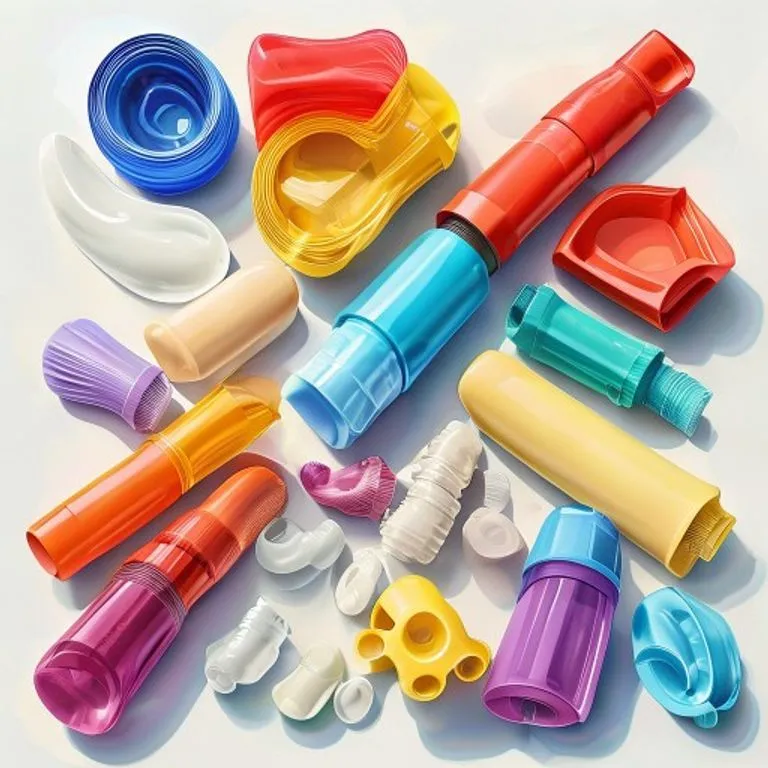
Description of what it is like
Plastic refers to a wide range of synthetic or semi-synthetic materials that use polymers as a main ingredient. They are typically lightweight, waterproof, and can be molded into almost any shape when soft, then set into a rigid or slightly elastic form.
Origin and where to find it
- Synthetic: Most plastics are derived from petrochemicals (oil, natural gas).
- Natural analogs: Rubber (latex), horn, shell, and tortoiseshell are natural polymers that behave similarly.
- Scavenging: In a post-collapse scenario, plastic is a non-renewable resource found in ruins, landfills, and oceans.
Minimum processing required
- Recycling: Thermoplastics can be melted and remolded.
- Cleaning: Must be cleaned of contaminants before melting.
- Sorting: Different types (PET, HDPE) must be separated as they have different melting points and properties.
Tools needed to work on it
- Heat Source: Controlled heat (oven, hot plate) to soften without burning.
- Molds: Metal, wood, or silicone molds to shape the molten plastic.
- Cutting: Saws, knives for shaping solid plastic.
- Ventilation: Essential to avoid toxic fumes when melting.
Common forms of use
- Containers: Bottles, buckets, waterproof storage.
- Cordage: Synthetic ropes (nylon, polypropylene) are stronger and rot-resistant compared to natural fibers.
- Insulation: Electrical wire coating, thermal insulation.
- Parts: Gears, handles, clips.
Possible substitutes
- Containers: Clay, Glass, metal, gourds.
- Waterproofing: Waxed fabric, tar, gut.
- Moldable parts: Horn, bone, wood.
Limitations and common failures
- UV Degradation: Becomes brittle and cracks when exposed to sunlight over time.
- Heat: Melts or deforms at relatively low temperatures compared to metal or pottery.
- Chemical Sensitivity: Some solvents (acetone, gasoline) dissolve certain plastics.
Risks and safety
- Fumes: Burning plastic releases toxic smoke (dioxins, furans). Always melt in a well-ventilated area.
- Microplastics: Break down into tiny particles that contaminate water and food.
- Fire: Highly flammable; once ignited, it is hard to extinguish and drips burning liquid.
Properties
- lightweight
- waterproof
- moldable
- durable
Used for
- containers
- insulation
- tools
- packaging
Manufacturing / Process
Refining petroleum or natural gas into monomers, then polymerization.