SyntheticGenerated with AI2 min read
Concrete Block
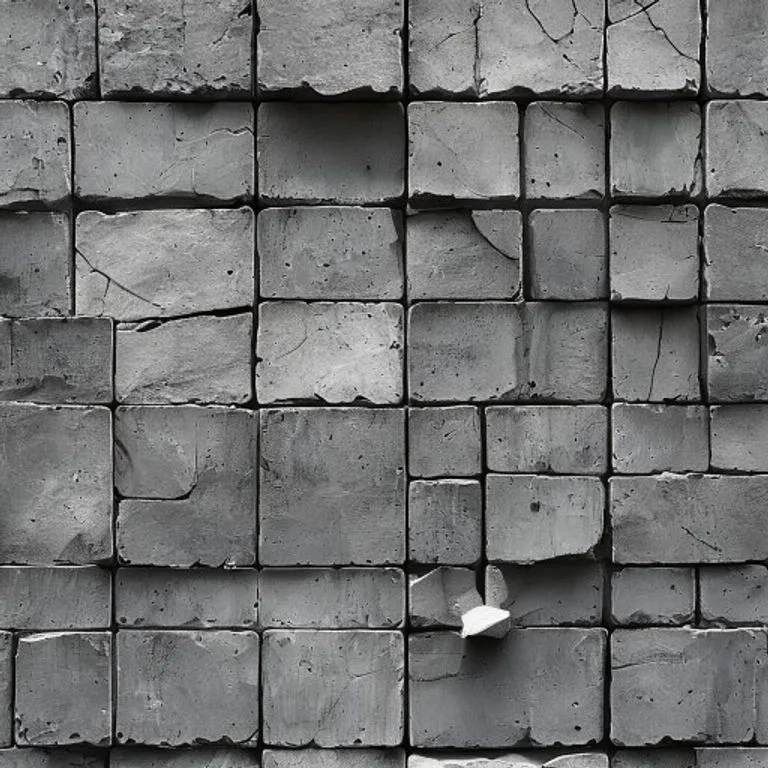
A concrete block (CMU - Concrete Masonry Unit) is a standard-size rectangular block used in building construction. They are usually hollow to reduce weight and allow for steel reinforcement (rebar) and insulation.
Description of what it is like
- Appearance: Grey, rough-textured rectangular block.
- Structure: Typically has two or three hollow cores (voids) to reduce weight.
- Size: Standard size is often 8x8x16 inches (nominal).
Origin and where to find it
- Synthetic: Manufactured in factories or on-site using molds.
- Raw Materials: Cement, Sand, fine Gravel, and water.
Minimum processing required
- Mixing: Prepare a “dry” concrete mix (low water content, zero slump) so it holds its shape.
- Molding: Place the mix into a steel or wooden mold.
- Compaction: Vibrate or ram the mix to remove air pockets and ensure density.
- Demolding: Remove the mold immediately (if using dry mix machine) or after setting (if using wet mix).
- Curing: Keep the blocks moist for several days to reach full strength.
Tools needed to work on it
- Mixer: To prepare the concrete.
- Mold: Essential for shape.
- Vibration Table: (Optional but better) To compact the mix.
Common forms of use
- Structural Walls: Stacked in a running bond pattern and joined with Cement Mortar.
- Reinforced Masonry: Steel bars (rebar) are placed vertically in the hollow cores and filled with grout (fluid concrete) for earthquake/wind resistance.
- Foundations: Used for basement walls.
Possible substitutes
- Brick: Smaller, heavier per volume, usually more expensive.
- Stone: Natural alternative.
- Poured Concrete: Requires formwork for the entire wall, not just the block.
Limitations and common failures
- Weight: Heavy to lift and place manually all day.
- Porosity: Can absorb water if not sealed (needs waterproofing).
- Cracking: If the foundation settles, block walls crack in a stair-step pattern.
Risks and safety
- Lifting Injury: Back strain from repetitive heavy lifting.
- Dust: Cutting blocks generates silica dust.
Related materials
- Cement
- Concrete
- Cement Mortar
- Mortar
- Steel: For reinforcement.
Properties
- High compressive strength
- Fire resistant
- Sound insulation
- Modular
Used for
- Load-bearing walls
- Retaining walls
- Foundations
- Security barriers
Manufacturing / Process
Casting stiff concrete into molds and vibrating to compact.