Generated with AI2 min read
Leathercraft
Related Materials
Brief description
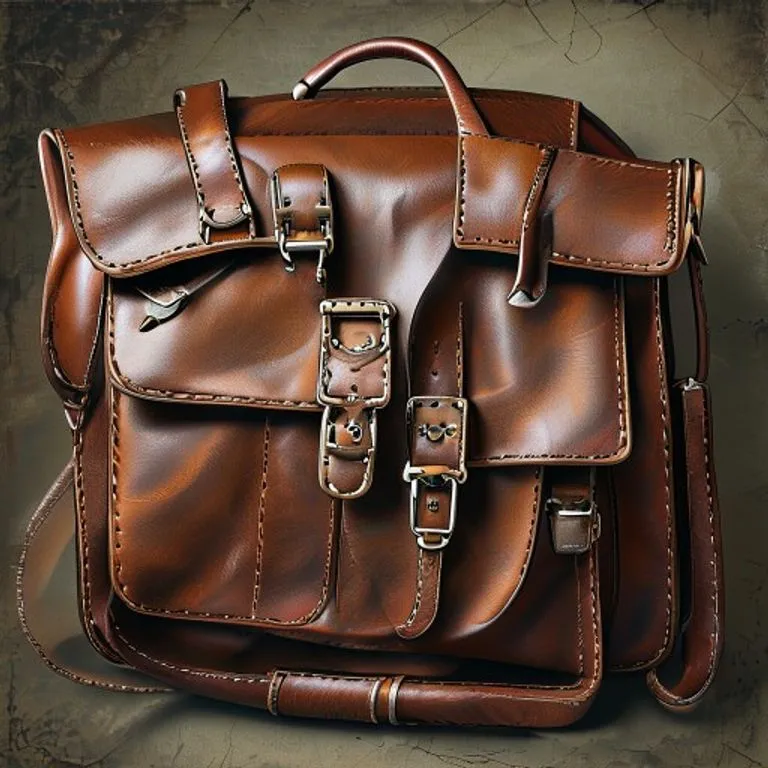
Leathercraft is the skill of cutting, shaping, and stitching leather to make durable goods such as belts, sheaths, pouches, straps, and containers.
Use / Function
- Protection: Tough coverings for tools, hands, and gear.
- Containment: Bags, pouches, and cases that hold shape.
- Fastening: Straps, belts, ties, and lashings.
- Repair: Reinforcing worn items and replacing broken seams.
- Scale: Personal to small workshop.
Operating principle
- Fiber structure: Interlocked collagen fibers resist tearing when stitched correctly.
- Controlled perforation: Holes made with an Awl guide the stitch without cutting the grain.
- Thread locking: Waxed Yarn grips the hole and resists moisture.
- Conditioning: Oils and waxes keep leather flexible and water-resistant.
How to create it
- Select leather: Choose thickness and firmness for the item. If using rawhide, tan it first.
- Plan and mark: Trace the pattern and stitch lines, leaving seam allowance.
- Cut and prep: Cut panels cleanly, thin edges where needed, and smooth the grain.
- Punch holes: Use an Awl to open consistent stitch spacing.
- Stitch: Sew with Needle and waxed thread.
- Shape and finish: Wet-form if needed, then burnish edges, oil, and seal.
Required technological level
Basic to intermediate. Stitching and finishing raise the skill level.
Materials needed
- Essential: Leather, Yarn or Plant Fibers for thread.
- Conditioning and sealing: Beeswax, Animal Fat, Resin.
- Tools: Awl, Needle, Scissors, Scraper, simple wood or bone formers.
- Possible substitutes: Rawhide for stiff items, woven fabric for panels, fiber cordage for stitching.
Variants and improvements
- Lacing: Edge lacing for fast assembly and easy repair.
- Saddle stitch: Strong, hand-stitched seams that resist failure.
- Wet-molding: Forming sheaths and cases to precise shapes.
- Reinforced seams: Riveted or doubled layers for heavy load points.
- Surface finishes: Dyed, waxed, or oiled for weather resistance.
Limits and risks
- Moisture damage: Unsealed leather molds and weakens over time.
- Stitch failure: Poor spacing or thin thread leads to seam tearing.
- Over-drying: Excess heat makes leather brittle.
- Tool injury: Awls and needles can puncture hands.