Generated with AI2 min read
Hydroponics
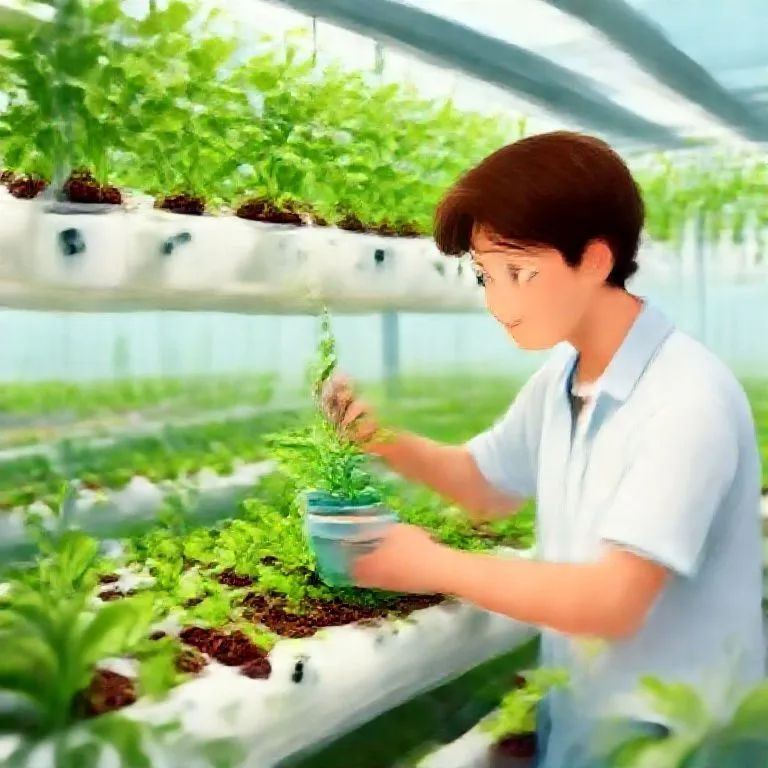
Brief description
Hydroponics is a method of growing plants without soil by delivering water, oxygen, and dissolved nutrients directly to the roots. It enables crop production where soils are poor, contaminated, or scarce.
Use / Function
- Food production: Grow vegetables and herbs in controlled conditions.
- Water efficiency: Reuse and recirculate water with minimal losses.
- Space efficiency: Produce in small areas, indoors, or on rooftops.
- Soil independence: Avoid soil-borne pests, weeds, and salinity.
Operating principle
Plants need water, oxygen, light, and nutrients. Hydroponics replaces soil with an inert medium or bare roots while a nutrient solution provides minerals. Oxygen reaches roots through air gaps, flowing water, or porous media.
How to create it
- Choose a simple system: A wick system or static reservoir (Kratky) requires no electricity.
- Build a reservoir: Use a sealed container to hold nutrient water.
- Support the plant: Fill a net cup or perforated pot with gravel, sand, or clay and place the seedling.
- Deliver nutrients: Mix clean water with dissolved nutrients and keep the roots partially submerged.
- Provide oxygen: Leave an air gap, stir daily, or circulate water using a pump.
- Manage light and heat: Provide consistent light and protect the system from overheating and algae.
Materials needed
- Essential: Clean water, containers, inert media (gravel, sand, or clay), and seeds.
- Structure: Wood frames or glass covers for protection and humidity control.
- Filtration: charcoal to reduce odors and organic buildup when water is reused.
- Possible substitutes: Fiber wicks made from plant fibers and gravity-fed flow from elevated reservoirs.
Variants and improvements
- Wick system: Capillary action feeds roots from below with no moving parts.
- Kratky method: Static nutrient solution with a growing air gap.
- Deep water culture: Roots sit in aerated water for fast growth.
- Nutrient film technique (NFT): Thin flowing layer of nutrient water over roots.
- Ebb and flow: Periodic flooding and draining to oxygenate roots.
Limits and risks
- Nutrient imbalance: Incorrect mix leads to stunted growth or leaf burn.
- Root oxygen loss: Stagnant water can cause rot and disease.
- Algae growth: Light-exposed water encourages algae and clogs.
- Temperature swings: Warm water lowers oxygen and increases pathogens.
- Dependency: If circulation stops, sensitive crops decline quickly.