Generated with AI3 min read
Steam Shovel
Brief description
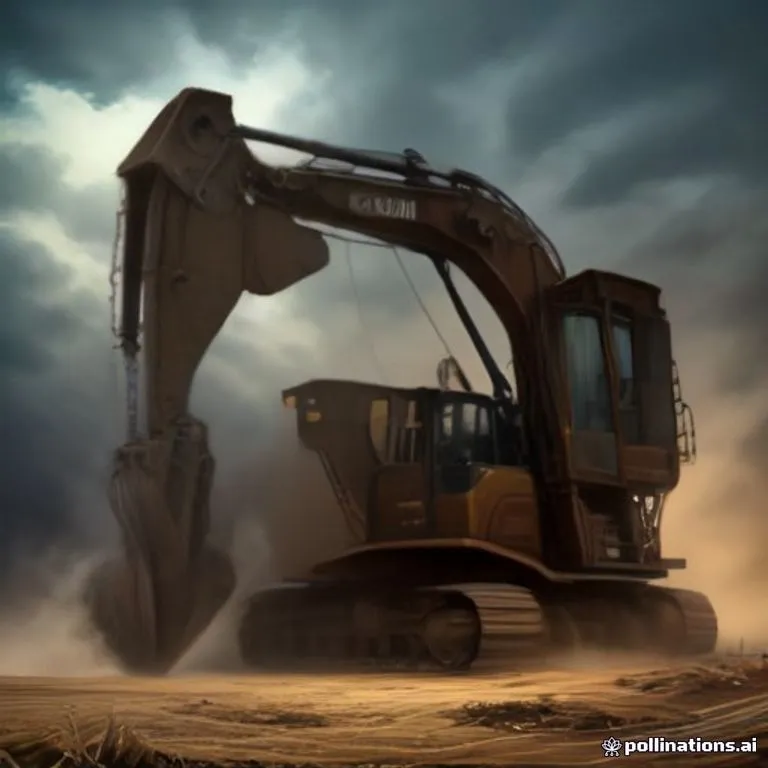
A steam shovel is a heavy excavating machine powered by a steam engine. It uses a mechanical bucket or bucket scoop attached to a boom and dipper stick to dig up earth, rock, and loose material, loading it into carts, wagons, or stockpiles.
Use / Function
- Primary Use: Bulk earthmoving, canal digging, railway construction, and open-pit mining.
- Secondary Uses: Dredging riverbanks and quarry excavation.
- Scale: Heavy industrial and infrastructure scale.
Operating principle
- Power Generation: A high-pressure steam boiler feeds steam to independent steam engines (or a central engine with clutches and winches).
- Hoisting & Crowding: Cable winches hoist the dipper bucket vertically, while a crowding mechanism pushes the dipper stick horizontally outward into the earth face.
- Digging Cycle: The bucket teeth bite into the material and scoop upward.
- Swinging & Dumping: The entire upper structure (or boom assembly) rotates to align over a dumping wagon, where a latch pin on the bucket door is tripped via cable to discharge the payload.
How to create it
- Fabricate the Chassis: Build a rigid structural frame from heavy Steel or Iron mounted on railway trucks, continuous tracks, or wide wheels.
- Mount Boiler & Steam Engine: Install a high-capacity vertical or horizontal Boiler paired with a multi-cylinder Steam Engine setup.
- Assemble Boom and Dipper Stick: Erect a steel lattice or wooden beam boom, attaching a hinged dipper arm equipped with a hard steel bucket and teeth.
- Install Winches & Cables: Rig steel wire ropes or heavy chains over pulley sheaves connected to steam-driven winches for hoisting, crowding, and swinging.
- Add Control Station: Position mechanical levers and pedal linkages for the operator to manipulate winches, swing mechanisms, and the bucket door trip rope.
Materials needed
- Structural Framing: Steel and heavy Iron structural channels.
- Power Unit: Boiler and Steam Engine components.
- Cables & Rigging: Steel wire rope or heavy forged Chain.
- Fuel & Water: Coal or Wood, plus clean Water for steam generation.
Variants and improvements
- Rail-mounted Shovel: Early models operated strictly on temporary railway tracks.
- Crawler Track Shovel: Replaced rails with continuous tracks, allowing movement on unpaved terrain.
- Electric & Diesel Draglines / Excavators: Modern descendants replaced steam boilers with internal combustion or electric motors and hydraulic cylinders.
Limits and risks
- Boiler Risks: Requires strict pressure monitoring to prevent boiler explosion.
- Mechanical Cables: High tension on cables presents snapping hazards; regular inspection is critical.
- Mobility: Extremely heavy machinery requiring flat or reinforced surfaces to prevent tipping or sinking into soft soil.