Generated with AI3 min read
Stamp Mill
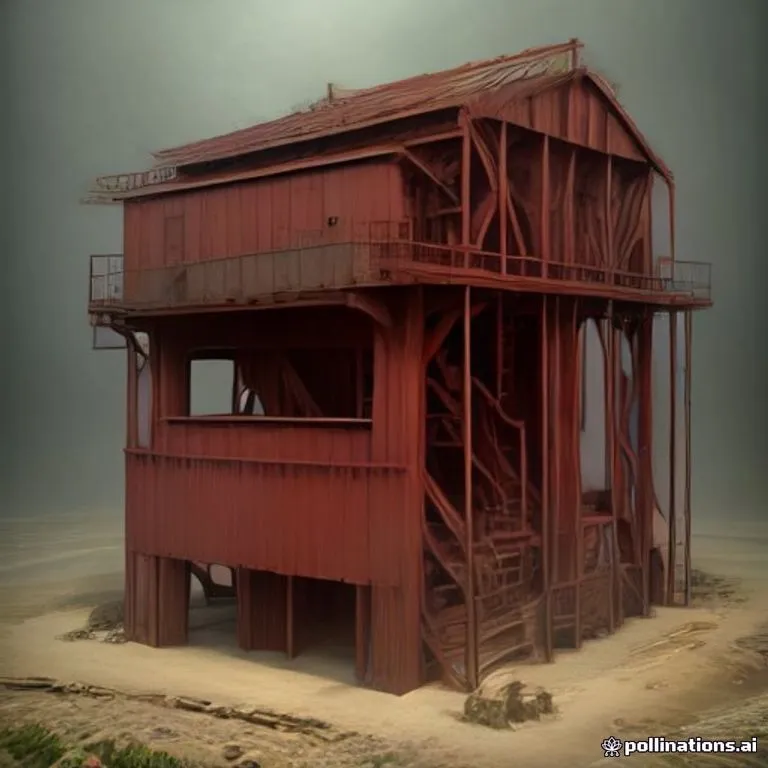
Brief description
A stamp mill (or stamping mill) is a mechanical crushing machine that uses heavy vertical iron-shod timber or steel pestles (stamps) raised by rotating cams and dropped by gravity onto rock or mineral ore. Used extensively in mining, metallurgy, and material processing, it crushes tough quartz, metal-bearing ores, and limestone into fine powder required for mineral separation, chemical extraction, or smelting.
Use / Function
- Ore Pulverization: Crushing quartz and mineral-bearing rocks to release embedded gold, silver, copper, or tin.
- Metallurgical Preparation: Fine crushing of iron ore, flux materials, and limestone prior to blast furnace charging or leaching.
- Industrial Milling: Grinding slag, cement clinker, and ceramic raw materials into fine powders.
Operating principle
- Camshaft Rotation: A horizontal camshaft driven by a water wheel, steam engine, or draft animals rotates continuously.
- Cam Lifting: Curved cams fitted along the camshaft engage tappets fixed to vertical wooden or iron stamp stems, lifting the heavy pestles.
- Gravity Impact: As the cam rotates past the tappet, the stamp is released and drops freely onto the ore resting in a heavy iron mortar box.
- Discharge & Screening: Water fed into the mortar box creates slurry with the crushed ore; fine particles splash out through mesh discharge screens while coarse rock remains until pulverized.
How to create it
- Construct Heavy Timber Frame: Erect a rigid vertical battery frame from dense hardwood timbers anchored into solid rock or heavy masonry foundations to absorb impact.
- Fabricate the Mortar Box: Cast or bolt together a heavy Cast Iron mortar box fitted with removable iron or steel die plates on the bottom floor.
- Assemble the Stamps: Mount heavy forged Iron or Steel shoe heads onto vertical wooden or iron stems, fitting adjustable tappets along the middle section.
- Install Camshaft & Cams: Position a heavy steel or iron camshaft across the front of the frame fitted with offset double-lobed cams for each stamp stem.
- Attach Power Drive & Screens: Connect the camshaft to a waterwheel or engine drive pulley, and fit woven wire mesh screens across the discharge lip of the mortar box.
Materials needed
- Framework & Stems: Dense Wood timbers (oak, pitch pine) or structural steel channels.
- Crushing Shoes & Dies: Chilled Cast Iron or forged Steel for extreme wear resistance.
- Camshaft & Cams: Tough forged Iron or alloy steel.
- Foundation: Heavy Stone or concrete masonry base.
Variants and improvements
- Water-Powered Battery: Traditional multi-stamp battery driven directly by an overshot waterwheel via wooden gearing.
- Steam Stamp Mill: High-speed single or double stamp operated directly by a steam cylinder piston, delivering rapid powered downstrokes.
- Pneumatic / Spring Stamps: Utilizes air cylinders or heavy steel springs to accelerate stamp velocity beyond gravity speed.
Limits and risks
- Extreme Noise & Vibration: Continuous heavy pounding creates severe acoustic hazard and mechanical fatigue on timber frames.
- High Wear Rate: Iron crushing shoes and die plates wear rapidly when grinding hard quartz and require frequent replacement.
- Dust & Silicosis: Dry crushing releases fine silica dust causing severe respiratory damage; water slurry feed is essential for dust control.