Generated with AI2 min read
Solar Cooker
Brief description
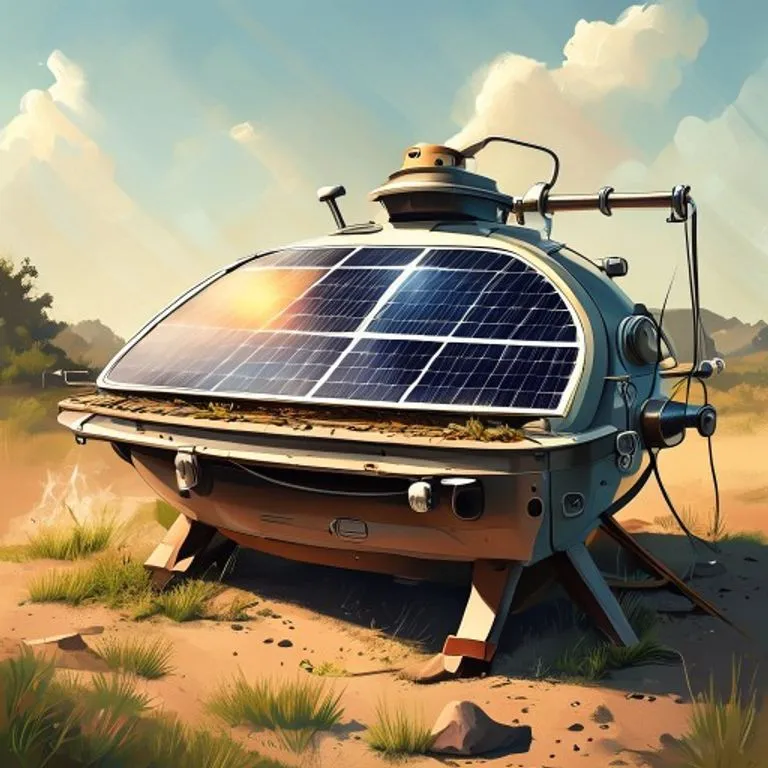
A solar cooker is a device which uses the energy of direct sunlight to heat, cook or pasteurize drinking water and other food materials. It requires no fuel and costs nothing to operate.
Use / Function
- Primary use: Cooking food and boiling water without fuel.
- Secondary uses: Pasteurizing water to make it safe to drink, sterilizing medical instruments.
- Scale: Portable units for families to large-scale communal cookers.
Operating principle
Concentration, Absorption, and Retention:
- Concentration: Reflective surfaces (mirrors or polished metal) redirect sunlight toward a central cooking area.
- Absorption: A black or dark-colored container absorbs the concentrated solar energy and converts it into heat.
- Retention: A transparent cover (glass or plastic) allows sunlight to enter but traps the heat inside (the greenhouse effect), while insulation prevents heat from escaping.
How to create it
1. The Box Cooker (Simplest)
- Build two nested wooden or cardboard boxes with insulation (like straw or wool) between them.
- Line the inner box with black paint or blackened metal.
- Place a glass lid on top.
- Attach a reflective lid (mirror or aluminum foil) to redirect more light into the box.
2. The Parabolic Cooker
- Shape a reflective surface (like a satellite dish lined with foil) into a parabola.
- Mount a pot at the focal point where the rays converge. This achieves much higher temperatures but requires frequent tracking of the sun.
Materials needed
- Reflective Material: Mirror, polished Aluminum, or tin foil.
- Absorptive Surface: Matte black paint or charcoal-blackened metal.
- Glazing: Glass or clear plastic sheets.
- Insulation: Wool, straw, or Mineral Wool.
- Structure: Wood, cardboard, or Metal.
Variants and improvements
- Solar Still: A variant used specifically for distilling water. See Solar Still.
- Community Cooker: Large-scale versions that can feed hundreds of people.
- Heat Storage: Using stones or salt to store heat for cooking after sunset.
Limits and risks
- Weather Dependent: Only works in direct, bright sunlight.
- Cooking Time: Generally slower than fire-based cooking.
- Eye Safety: Concentrated sunlight can cause permanent eye damage; always use sunglasses or avoid looking at the focal point.
- Burns: The cooking vessel can reach very high temperatures.