NaturalGenerated with AI2 min read
Aluminum
Made of
Aluminum is a light, silvery metal valued for its strength-to-weight ratio, corrosion resistance, and excellent conductivity. It is widely used where low mass and durability are critical.
Description of what it is like
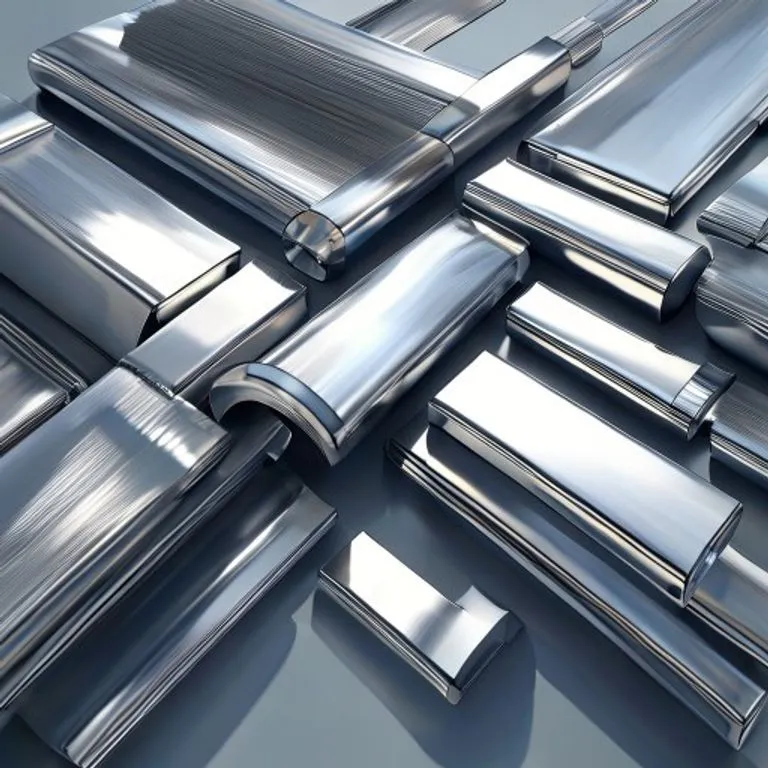
Aluminum has a bright, silvery appearance when freshly cut. It quickly forms a thin oxide layer that protects it from further corrosion. It is soft and easy to shape, but strong when alloyed.
Origin and where to find it
- Environments: Bauxite deposits in tropical and subtropical laterite soils.
- Signs: Reddish, iron-rich soils and layered, clay-like ore.
- Natural: Abundant in the crust but not found as native metal; requires processing.
Minimum processing required
- Mining: Extract bauxite ore.
- Refining: Convert bauxite to alumina (Bayer process).
- Smelting: Reduce alumina to metal by Electrolysis (Hall-Héroult).
- Casting: Form ingots, billets, or sheet.
Tools needed to work on it
- High-temperature furnaces and crucibles
- Large electrical power source for Electrolysis
- Molds or rolling equipment for shaping
Common forms of use
- Ingots and billets: For casting or extrusion.
- Sheet and foil: Packaging and lightweight panels.
- Alloys: Combined with metals like magnesium or copper for strength.
Possible substitutes
- Steel: Stronger but heavier and more prone to rust.
- Copper: Better conductor but heavier and costlier.
- Fiberglass: Lightweight but weaker under impact.
Limitations and common failures
- Lower melting point: Softens at temperatures where steel still holds strength.
- Welding difficulty: Oxide layer complicates joining.
- Galvanic corrosion: Can corrode when paired with dissimilar metals in moisture.
Risks and safety
- Molten metal hazards: High heat causes severe burns.
- Dust explosion: Fine aluminum powder is highly flammable.
- Electrical risk: Electrolysis requires high current.
Related materials
Properties
- Lightweight
- Corrosion resistant
- Good conductor
- Malleable
- Non-magnetic
Used for
- Transportation alloys
- Packaging and foil
- Electrical conductors
- Construction panels and frames
- Heat sinks
Manufacturing / Process
Refined from bauxite into alumina, then reduced by Hall-Héroult electrolysis.