Generated with AI3 min read
Fluidized Bed Reactor
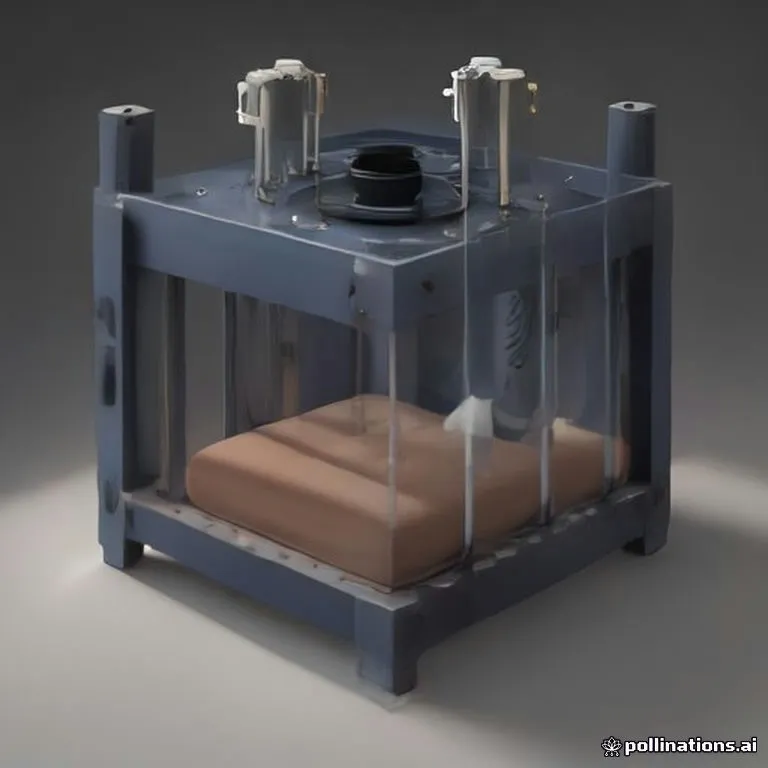
Brief description
A chemical processing vessel in which fine solid particles (such as sand, catalyst beads, or biomass) are suspended in an upward-flowing stream of gas or liquid. When fluid velocity reaches the fluidization threshold, the solid bed behaves like a boiling liquid, enabling rapid heat transfer, uniform temperature distribution, and intimate contact between gases and solids.
Use / Function
- Primary Use: High-efficiency biomass gasification, catalytic chemical synthesis, ore roasting, and industrial drying.
- Secondary Uses: Low-emission combustion of low-grade fuels (such as waste or coal) and calcination of limestone.
- Scale: Pilot experimental gasifiers to massive power plant boilers and petroleum cracking units.
Operating principle
- Gas Distribution: Compressed pressurized gas (air, steam, or oxygen) enters through a perforated distributor plate at the bottom of the reactor column.
- Fluidization: As gas velocity increases through the bed of solid particles (like silica sand), drag forces balance gravity, expanding the bed and causing particles to swirl like a boiling fluid.
- Mixing & Reaction: Fuel or chemical reactants injected into the bed mix rapidly with hot circulating particles, achieving near-instantaneous thermal equilibrium and fast chemical reaction rates.
- Particle Separation: Exhaust gas exiting the top carries fine dust into a cyclone separator, which returns trapped solids back to the bed.
How to create it
- Reactor Vessel: Fabricate a cylindrical vertical steel column insulated internally with refractory firebricks to withstand high temperatures.
- Distributor Plate: Install a heat-resistant perforated steel plate or nozzle grid at the base to evenly distribute inlet gas across the column cross-section.
- Bed Material: Fill the lower vessel section with uniform silica sand or alumina particles of optimal grain size (typically 0.1 to 1 mm).
- Plenum & Cyclone: Attach a bottom plenum chamber for gas intake and a top cyclone separator to recover elutriated bed material from exit gases.
Materials needed
- Vessel & Piping: Structural Steel or stainless steel shell.
- Thermal Lining: Refractory Brick or castable refractory mortar.
- Bed Media: Granular Sand (silica), crushed limestone, or catalyst beads.
- Gas Source: Blower or Air Compressor to generate fluidizing velocity.
Variants and improvements
- Bubbling Fluidized Bed (BFB): Operating at lower gas velocities where distinct gas bubbles rise through a defined bed surface; ideal for gasification and drying.
- Circulating Fluidized Bed (CFB): High gas velocity sweeps solids continuously out the top; a high-efficiency cyclone separates solids and recycles them back to the bottom.
- Pressurized Fluidized Bed (PFBC): Operates under high pressure to drive gas turbines directly for combined-cycle power generation.
Limits and risks
- Erosion: High-velocity circulating abrasive particles cause severe wear on internal walls, boiler tubes, and cyclone separators.
- Agglomeration & Defluidization: High bed temperatures can melt ash or chemicals, causing particles to stick together into large clinkers that collapse fluidization.
- Elutriation Loss: Fine particles get entrained in exit gas and require robust dust filtration (cyclones or baghouses).