Generated with AISynthetic3 min read
Refractory Brick
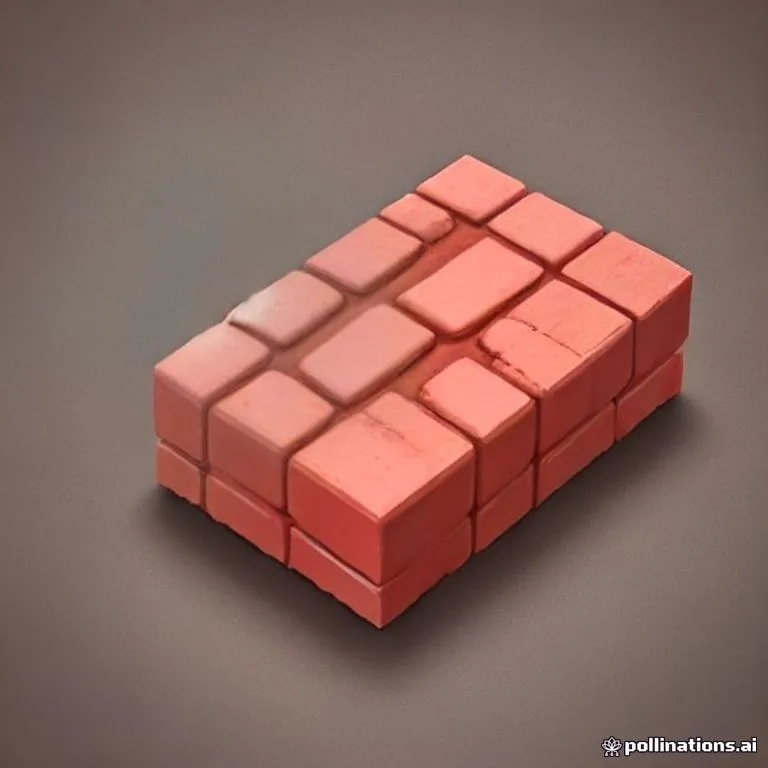
Refractory brick (or firebrick) is a high-performance ceramic block engineered to withstand intense temperatures (typically 1,400°C to over 1,800°C) without softening, melting, or deteriorating under chemical slag attack. It is the core material enabling pyrotechnology and metal extraction.
Description of what it is like
Refractory bricks are heavy, dense blocks ranging in color from off-white and buff to yellowish or reddish-brown depending on alumina and iron contents. They have a coarse, granular texture and feel notably denser and harder than ordinary red building bricks. They emit a sharp ringing sound when struck together.
Origin and where to find it
- Environments: Industrial brickworks, abandoned smelting sites, kilns, and glass factories.
- Natural Availability: Fireclay deposits (kaolinite-rich clay low in iron and alkalis) are found beneath coal seams or in weathered granite deposits.
- Processed Material: Requires high-temperature firing in dedicated kilns to achieve vitrification.
Minimum processing required
- Mining Fireclay: Excavate refractory kaolin clay that has low contents of iron oxide, lime, and alkalis (which act as fluxes that lower melting points).
- Mixing and Grog Addition: Blend washed fireclay with “grog” (pre-calcined ground firebrick or crushed fired clay) to reduce shrinkage and cracking during drying.
- Molding: Compress the moist mixture under high pressure into dense rectangular molds.
- Drying: Air-dry thoroughly for several days to eliminate free moisture.
- High-Temperature Firing: Fire in a kiln at 1,300–1,500°C until the clay particles sinter and form mullite crystals.
Tools needed to work on it
- Wooden or Steel Molds: Heavy-duty presses to form dense blocks.
- High-Temperature Kiln: Capable of reaching 1,300°C+.
- Masonry Saw / Chisel: For cutting hard refractory blocks during lining installation.
- Fireclay Mortar: High-alumina mortar used to bond firebricks with ultra-thin joints.
Common forms of use
- Standard Straight Bricks: Rectangular blocks for flat furnace walls and hearths.
- Wedge and Arch Bricks: Tapered bricks designed for self-supporting furnace roofs, vaults, and circular kiln walls.
- Monolithic Refractories: Castable fireclay mixtures applied like wet concrete.
Possible substitutes
- Ordinary Red Brick: Fails and melts above 1,100°C; acceptable only for low-heat outer chimney walls.
- Soapstone (Talc Schiff): Natural stone with high thermal mass and moderate fire resistance; difficult to carve into complex furnace arches.
- Rammed Fireclay: Clay mixed with quartz sand packed directly into forge walls.
Limitations and common failures
- Thermal Shock: Rapid heating or cooling can cause internal stresses, leading to spalling (cracking and flaking).
- Slag Erosion: Molten slag containing iron or fluxing agents can chemically dissolve basic or acidic firebricks over time.
- Thick Mortar Joints: If installed with thick mortar joints, heat will break down the mortar first; joints must be under 2 mm thick.
Risks and safety
- Silica Dust: Cutting or crushing firebrick releases free crystalline silica dust, causing silicosis if inhaled.
- Extreme Heat Radiation: Radiant heat from furnace linings causes severe skin burns and eye cataracts without protective shields.
Related materials
- Clay: Fireclay/kaolin is the primary raw ingredient.
- Brick: Standard structural building blocks.
- Mortar: Refractory mortar is required for installation.
Related inventions
- Blast Furnace: Relies on refractory brick linings to withstand molten iron temperatures.
- Lime Kiln: Uses firebrick to isolate calcination heat.
- Reverberatory Furnace: Uses arched firebrick roofs to reflect heat downwards onto metal melts.