Generated with AI4 min read
Daguerreotype
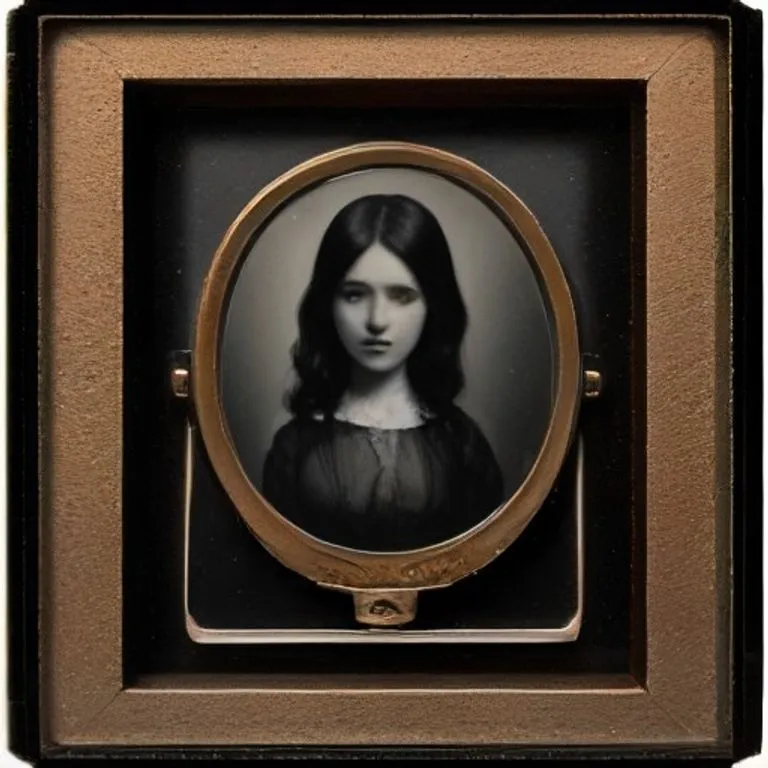
Brief description
The daguerreotype was the first publicly announced photographic process and the first to achieve widespread commercial use. It captures a direct-positive image on a silver-plated copper sheet without using a negative, producing a sharp, highly detailed, and unique mirror-like photograph.
Use / Function
- Primary Use: Permanent image recording and visual portraiture.
- Secondary Uses: Scientific documentation, astronomical photography, topographical surveying, and historical archiving.
- Scale: Individual studio portraits and small portable field photographic plates.
Operating principle
- Photosensitization: A highly polished silver-plated copper plate is exposed to halogen vapors (such as iodine or bromine in an airtight box), creating a thin light-sensitive surface layer of silver halide (silver iodide/bromide).
- Exposure: The sensitized plate is placed inside a Camera Obscura equipped with a Lens and exposed to light. Photons hit the silver halide, reducing minute amounts to elemental silver clusters and forming a latent (invisible) image.
- Development: The exposed plate is placed over heated mercury (or exposed to red/yellow light in modified processes). Mercury vapor selectively amalgamates with the light-exposed silver grains, rendering the image visible as a whitish amalgam on the dark polished silver background.
- Fixing: The plate is rinsed in a solution of sodium thiosulfate (hyposulfite of soda) or strong salt water to dissolve remaining unexposed silver halides, rendering the image permanent and light-insensitive.
- Protection: The delicate surface is rinsed with distilled water, dried, and sealed behind Glass in a protective frame or case to prevent oxidation and physical abrasion.
How to create it
- Plate Preparation: Clad a thin layer of pure Silver onto a sheet of Copper. Polish the silver side with fine abrasives (pumice, rouge) until it achieves a flawless mirror finish.
- Sensitizing Box: Construct an airtight wooden box containing iodine crystals at the bottom. Suspend the plate face-down over the crystals in darkness until the silver turns a golden-yellow hue.
- Camera Exposure: Insert the plate into a light-tight holder, load it into a camera obscura, and expose the scene through a glass lens for several seconds to minutes (depending on available sunlight).
- Mercury Fuming Chamber: Place the exposed plate inside an inclined wooden chamber over a dish of mercury heated by an Oil Lamp (~60°C / 140°F). Observe the latent image develop as mercury vapors interact with the plate.
- Fixing and Casing: Immerse the developed plate in a sodium thiosulfate bath to fix the image, wash carefully with distilled water, dry over a flame, and seal under glass with a protective wooden or metal mat.
Materials needed
- Plate Materials: Copper sheet plated with pure Silver.
- Sensitizing Chemicals: Elemental iodine (or bromine/chlorine accelerators).
- Developing Agent: Metallic mercury (for vapor development) or hypo fixing salt (sodium thiosulfate).
- Optical Tools: Camera Obscura and high-quality optical Lens.
- Enclosure: Wood for sensitizing and developing boxes, Glass cover plate for protection.
Variants and improvements
- Quickstuff Accelerators: Adding bromine or chlorine fumes reduced exposure times from 15 minutes down to several seconds, making studio portraiture practical.
- Gold Toning (Gilding): Treating the fixed plate with gold chloride and heat improved image contrast and durability against physical damage.
- Calotype & Collodion Processes: Later photographic methods replaced daguerreotypes by introducing reusable negatives, allowing unlimited copies from a single exposure.
Limits and risks
- Toxicity: Mercury vapors are extremely toxic to the nervous system and organs; work must be conducted with strict ventilation or remote observation.
- Single Unique Image: Daguerreotypes produce direct positive images on metal plates that cannot be duplicated or printed as negatives.
- Surface Fragility: The image consists of microscopic particles resting on a mirror finish; touching the plate destroys the image instantly.
- Mirror Reflection: Viewing the image requires holding the plate at a specific angle relative to light sources.