Generated with AI3 min read
Steam Condenser
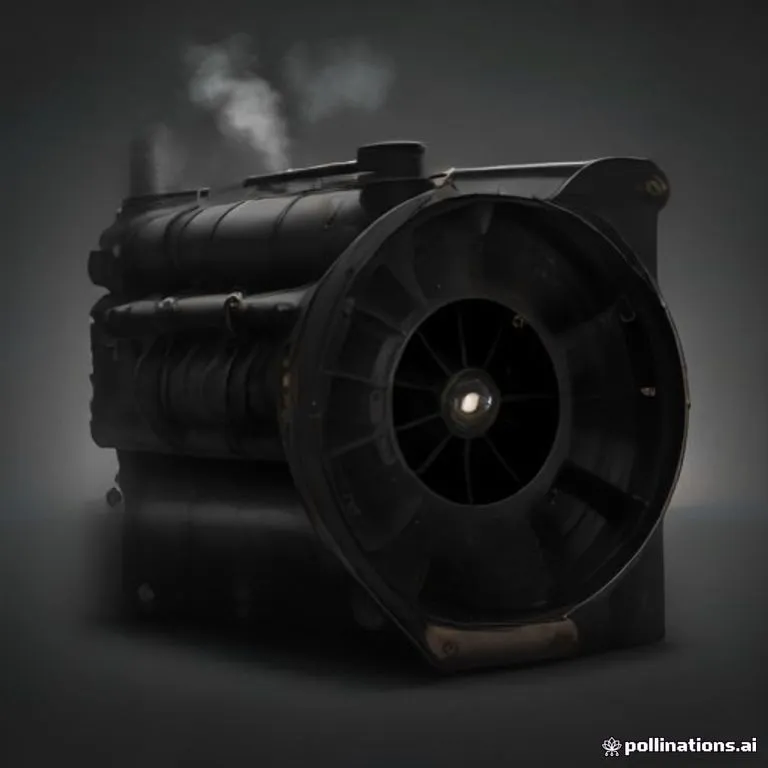
Brief description
A steam condenser is a device that cools exhaust steam from a steam engine or turbine, converting it back into liquid water. By condensing the steam, it creates a partial vacuum at the engine outlet, dramatically increasing thermodynamic efficiency and recovering distilled water for reuse in the boiler.
Use / Function
- Efficiency Boosting: Substantially lowers back-pressure on steam engine pistons or turbine blades to increase mechanical output per unit of fuel.
- Feedwater Recovery: Recycles pure distilled condensate back into the boiler, preventing mineral scale buildup inside high-pressure vessels.
- Scale: From marine steam propulsion systems and stationary industrial steam engines to modern thermal power plants.
Operating principle
- Exhaust Admission: Low-pressure exhaust steam leaves the engine cylinder and enters the sealed condenser vessel.
- Heat Extraction: The steam comes into contact with cold metal surfaces (tubes or plates) chilled by circulating cooling water, or directly mixes with a cold water spray.
- Phase Change & Vacuum Creation: As steam condenses into liquid water, its specific volume decreases by more than a thousandfold, creating a low-pressure vacuum inside the vessel.
- Condensate Removal: An air pump or condensate pump continuously extracts condensed water and any non-condensable gases, maintaining the vacuum and feeding liquid water back to the boiler.
How to create it
- Construct Outer Shell: Build a rigid, airtight shell out of Iron or Steel equipped with steam inlet, water outlet, and drainage ports.
- Fabricate Tube Bundle: Arrange a matrix of thin-walled Copper or Brass tubes inside the shell to maximize surface area for heat exchange.
- Install End Plates & Seals: Secure tube ends into perforated tube sheets using watertight brass ferrules or gaskets to separate cooling water from condensing steam.
- Connect Circulation Pump: Hook up a Pump to continuously circulate cold Water through the copper tubes.
- Attach Condensate Extraction Pump: Install an air pump at the base of the shell to continuously drain liquid condensate and preserve vacuum pressure.
Materials needed
- Vessel Shell & Structure: Cast iron or rolled steel for airtight pressure containment. Sourced from Iron and Steel.
- Heat Exchange Tubes: Thermally conductive copper or brass tubing. Sourced from Copper and Brass.
- Cooling Medium & Fluid: Clean water for cooling loop and steam condensate. Sourced from Water.
Variants and improvements
- Jet Condenser (Direct Contact): Injects cold water directly into exhaust steam; simple and cheap, but mixes cooling water with pure condensate.
- Surface Condenser (Indirect Contact): Separates steam and cooling water via metal tubes; allows dirty or saltwater for cooling while conserving pure boiler feedwater.
- Evaporative Condenser: Uses ambient air and water evaporation over tubes to cool steam where cooling water sources are limited.
Limits and risks
- Air Infiltration: Minor leaks in shell joints or valve seals destroy vacuum pressure and diminish efficiency.
- Tube Fouling & Corrosion: Mineral deposits and biological growth inside tubes degrade thermal conductivity over time.
- Thermal Shock: Extreme temperature differences between hot steam and cold water can cause mechanical stress, tube cracking, or flange leaks.