Generated with AI3 min read
Sphygmomanometer
Brief description
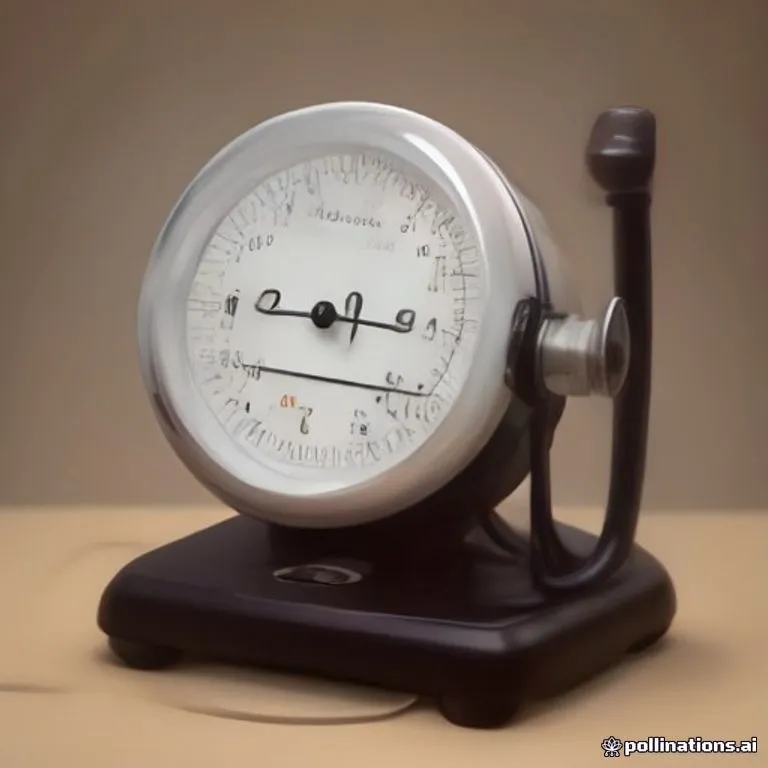
A sphygmomanometer is a device used to measure blood pressure, consisting of an inflatable cuff, a measuring unit (mercury pressure gauge or aneroid manometer), and a mechanism for inflation such as a hand bulb and valve.
Use / Function
- Primary use: Non-invasive clinical measurement of arterial blood pressure (systolic and diastolic).
- Secondary uses: Monitoring cardiovascular health, diagnosing hypertension or hypotension, and evaluating patient response to treatment during surgery or emergency care.
- Scale: Personal medical instrument used in clinics, hospitals, and field medicine.
Operating principle
- Arterial Occlusion: An inflatable bladder inside an inelastic fabric cuff is wrapped around a limb (usually the upper arm) and inflated until the pressure exceeds the arterial systolic pressure, stopping blood flow through the brachial artery.
- Controlled Decompression: The pressure in the cuff is gradually released through a control valve.
- Acoustic Detection (Auscultation): As pressure drops below systolic pressure, turbulent blood flow resumes, creating audible tapping vibrations known as Korotkoff sounds, heard using a Stethoscope placed downstream over the artery.
- Pressure Measurement: The pressure reading when the first sound is heard corresponds to systolic pressure. The pressure reading when the sounds completely disappear corresponds to diastolic pressure.
How to create it
- Inflatable Bladder and Cuff: Construct an airtight rubber bladder fitted with two flexible Natural Rubber tube ports. Enclose this bladder in a durable, non-stretching Fabric sleeve with adjustable fasteners or straps.
- Inflation Assembly: Connect one tube port from the bladder to a squeezable rubber bulb fitted with a one-way intake valve and a fine-threaded adjustable release valve made of Metal.
- Manometer Gauge: Connect the second tube port to a vertical glass column containing Mercury resting in a sealed reservoir, calibrated with millimeter markings (0–300 mmHg), or connect it to a calibrated aneroid metallic bellows gauge.
- Assembly and Calibration: Test the system for airtightness by inflating the bladder to 200 mmHg and confirming the pressure holds steadily when the valve is closed.
Materials needed
- Essential Materials: Natural Rubber (bladder, tubing, bulb), Fabric (inelastic cuff sleeve), Metal (valves, fittings, gauge body), Mercury or a calibrated metallic bellows diaphragm.
- Tools: Glassblowing tools (for mercury column), metal lathe/machining tools, sewing tools, pressure calibration reference standard.
- Substitutes: Water manometer column (requires a taller tube ~4.1 meters for 300 mmHg), aneroid pressure gauge instead of liquid mercury.
Variants and improvements
- Riva-Rocci Mercury Sphygmomanometer: The original 1896 design using a mercury column and upper-arm cuff.
- Aneroid Sphygmomanometer: Replaces liquid mercury with a flexible metal capsule (bellows) that expands or contracts with pressure, turning a needle indicator.
- Digital / Oscillometric Sphygmomanometer: Uses electronic pressure sensors to measure pressure oscillations automatically without needing auscultation.
Limits and risks
- Toxicity: Mercury column models carry a hazard of toxic chemical exposure if glass tubes break.
- Operator Dependency: Manual measurement requires trained ears and technique to accurately identify Korotkoff sounds.
- Cuff Sizing: Incorrect cuff width relative to arm circumference leads to false high or low readings.