Generated with AI3 min read
Solar Water Heater
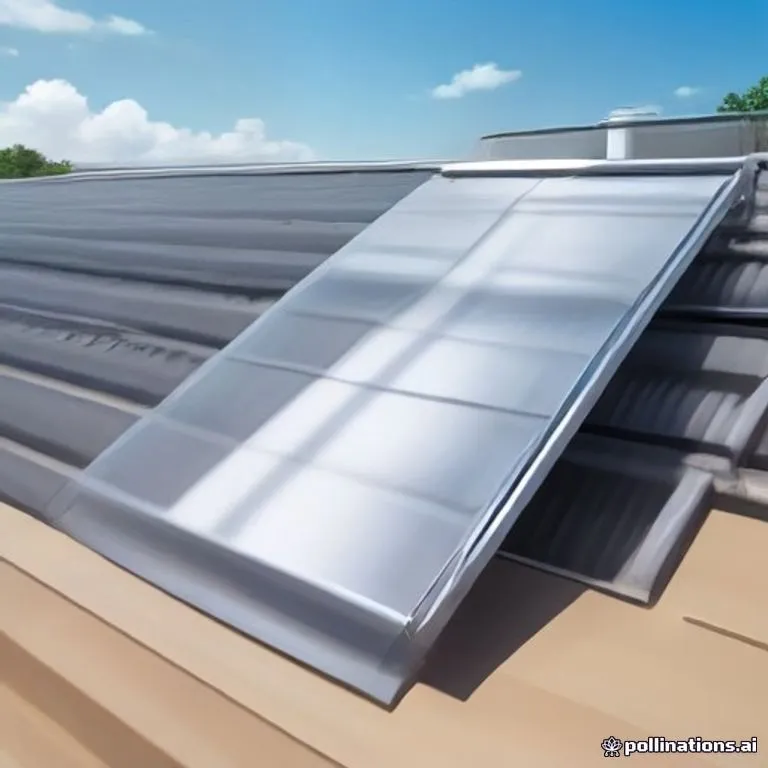
Brief description
A solar water heater is a thermal device that uses direct sunlight to heat water for domestic, industrial, or hygienic purposes. It eliminates the need for burning wood, coal, or gas to obtain hot water.
Use / Function
- Primary use: Heating water for bathing, sanitation, washing, and space heating.
- Secondary uses: Preheating water for steam boilers or food preparation.
- Scale: Domestic single-family systems to communal or industrial solar arrays.
Operating principle
Thermosiphon Effect and Solar Absorption:
- Radiation Absorption: Dark surfaces absorb incoming solar radiation and convert it into heat energy.
- Conduction: Heat travels from the dark metal absorber plate into fluid running through attached pipes or tubes.
- Greenhouse Trap: Glazing (glass or clear plastic) allows solar radiation in but traps longwave infrared radiation, reducing heat loss through convection and radiation.
- Thermosiphon Circulation: As water in the collector heats up, it becomes less dense and naturally rises upward into an elevated storage tank. Cooler, denser water from the bottom of the tank flows down to replace it, creating passive circulation without mechanical pumps.
How to create it
1. Collector Frame & Insulation
- Build an airtight wooden box with a depth of approximately 10–15 cm.
- Line the bottom and sides of the box with insulating material (like dry wood shavings, wool, or mineral wool).
2. Absorber Plate & Piping
- Lay a flat sheet of copper or iron at the bottom of the box.
- Secure a serpentine grid or parallel copper pipes tightly against the metal plate to ensure high thermal conductivity.
- Paint the metal plate and pipes with matte black paint or coat them with lampblack/charcoal powder.
3. Glazing
- Seal the front of the collector frame with a pane of clear glass or transparent plastic sheet.
4. Elevated Tank & Connections
- Position an insulated water storage tank higher than the top edge of the collector panel.
- Connect the top outlet of the collector to the upper section of the storage tank.
- Connect the bottom outlet of the storage tank to the lower inlet of the collector panel.
Materials needed
- Absorber & Pipes: Copper or Iron tubing and metal sheeting.
- Coating: Matte black Paint or powdered Charcoal.
- Glazing: Clear Glass or transparent sheet.
- Frame & Structure: Wood or Metal frame.
- Insulation: Wool, dry straw, or mineral insulation.
- Storage: Insulated tank and Pipes for Water circulation.
Variants and improvements
- Direct vs. Indirect Systems: Direct systems circulate potable water through the collector; indirect systems circulate an antifreeze mixture through a closed loop and heat exchange coil inside the storage tank.
- Evacuated Tube Collector: Uses double-walled glass vacuum tubes to practically eliminate conductive and convective heat losses, functioning even in sub-freezing temperatures.
- Integral Collector Storage (ICS): Combines collector and storage tank into a single unit.
Limits and risks
- Freezing Risk: Water left in the collector during freezing weather can expand and burst copper pipes unless drained or mixed with antifreeze (like glycol).
- Scalding Water: In strong summer sun, water temperatures can exceed 80°C (176°F), requiring mixing valves to prevent severe burns.
- Sunlight Availability: Heat output drops significantly during cloudy weather or overnight without an insulated storage buffer.