SyntheticGenerated with AI3 min read
Paint
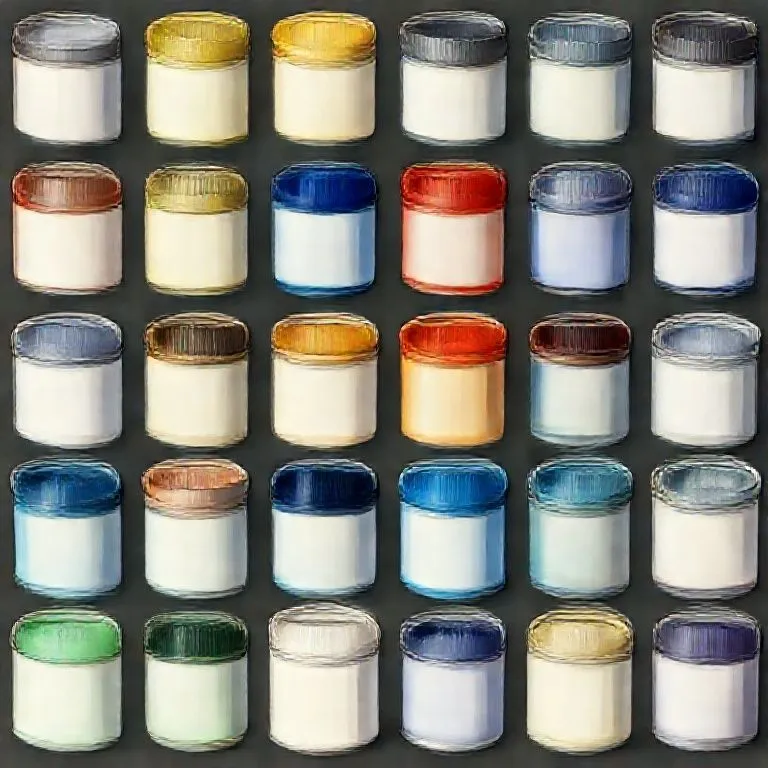
Paint is a colored substance that is spread over a surface and dries to leave a thin decorative or protective coating. It consists of three main components: pigment (color), binder (glue), and solvent (thinner).
Description of what it is like
Paint is typically a viscous liquid or paste. Its color and opacity depend on the pigment used. Upon drying, it forms a solid film that adheres to the substrate. The texture can range from matte to high gloss depending on the binder-to-pigment ratio.
- Protection: Protecting metals from rust or the reflective layer in a Silver Mirror from oxidation.
- Signaling: High-visibility colors for safety.
- Camouflage: Blending into the environment.
Origin and where to find it
- Pigment: Sourced from minerals, plants, or soot (see Pigments).
- Binder:
- Natural: Egg yolk (Tempera), Gum Arabic (Watercolor), Animal Glue (Distemper), Linseed/Walnut Oil (Oil Paint), Casein (Milk Paint).
- Synthetic: Acrylics, Alkyds.
- Solvent: Water, Turpentine, Mineral Spirits.
Minimum processing required
- Pigment Preparation: Grinding pigment into fine powder.
- Binder Preparation: Separating egg yolk, dissolving gum, or refining oil.
- Mixing: Thoroughly mixing the pigment and binder. This often requires grinding them together (mulling) to ensure every pigment particle is coated with binder.
- Thinning: Adding solvent to reach brushable consistency.
Tools needed to work on it
- Muller and Slab: For grinding pigment into binder.
- Palette: For holding and mixing paints.
- Containers: For storage (tubes, jars, bladders).
- Brushes/Spatulas: For application.
Common forms of use
- Oil Paint: Pigment + Drying Oil. Slow drying, durable, flexible.
- Tempera: Pigment + Egg Yolk. Fast drying, brittle, permanent.
- Watercolor: Pigment + Gum Arabic. Transparent, water-soluble.
- Fresco: Pigment + Water (applied to wet lime plaster).
Possible substitutes
- Stains/Dyes: Penetrate the surface rather than sitting on top.
- Textile Dye: For fabric dyeing when color must bond to fibers.
- Colored Clay/Mud: Primitive body paint or temporary wall covering.
- Blood/Berry Juice: Makeshift paints, though often fugitive.
Limitations and common failures
- Cracking: If applied too thickly or if flexible layers are painted over brittle ones (fat over lean rule).
- Peeling: Poor adhesion to the surface (surface needs priming).
- Fading: UV exposure degrading the pigment.
- Yellowing: Oil binders can yellow over time in the dark.
Risks and safety
- Flammability: Solvents like turpentine are highly flammable.
- Toxicity: Solvents can cause respiratory issues. Pigments can be toxic if ingested or inhaled.
- Spontaneous Combustion: Rags soaked in drying oils (linseed) can self-ignite as they oxidize.
Related materials
- Pigments: The coloring agent.
- Brush: Tool for application.
- Painting Walls: Surface preparation and application workflow.
- Textile Dye: Fiber colorant alternative to paint.
- Fabric Dyeing: Process for permanent textile coloration.
- Oil: Common binder.
- Egg: Common binder.
- Canvas / Wood: Common substrates.
- Primer/Gesso: Base coat to prepare the surface.
- Silver Mirror: Protective application.
Properties
- Adhesion
- Coverage
- Color
- Viscosity
- Drying Time
Used for
- Art
- Decoration
- Protection
- Signaling
- Camouflage
Manufacturing / Process
Dispersing pigment particles into a liquid binder.