Generated with AI2 min read
Pipes
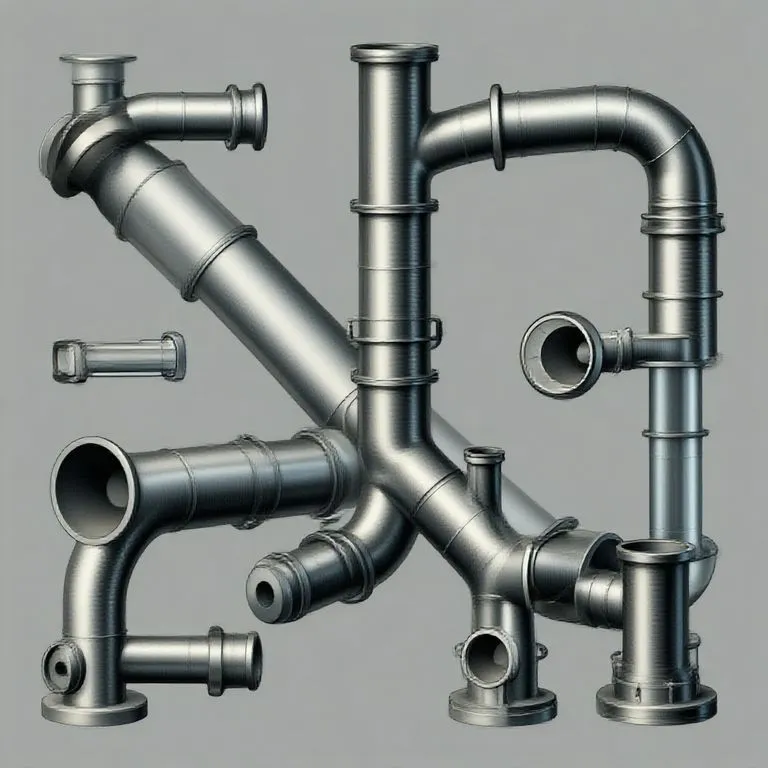
Brief description
Hollow cylinders used to convey substances which can flow, such as liquids, gases, slurries, or powders.
Use / Function
- Transport: Moving water, sewage, or gas from one point to another.
- Irrigation: Distributing water to crops efficiently.
- Plumbing: Supplying potable water and removing waste in buildings.
- Protection: Encasing wires or cables (modern).
Operating principle
Pipes contain fluids and direct their flow. The movement is driven by pressure difference, created either by gravity (slope) or pumps. The cylindrical shape provides high structural strength against internal and external pressure.
How to create it
- Clay: Roll clay into cylinders or use a mold. Fire in a kiln to harden. Can be glazed to make them watertight.
- Bamboo: Select straight bamboo stalks. Knock out the internal nodes using a long rod.
- Wood: Split a log, hollow out both halves, and rejoin them with resin and binding; or drill through the center with a long auger.
- Lead: Cast flat sheets of lead, roll them around a form, and solder the seam.
Materials needed
- Clay: Abundant and easy to work with.
- Bamboo: Natural ready-made pipe.
- Lead: Malleable metal (historical, but toxic).
- Wood: Requires tools to hollow.
- Copper/Bronze: Durable but requires metallurgy.
Variants and improvements
- Ceramic/Terracotta: Common in ancient times for water and sewage.
- Lead (Plumbing): Used by Romans, but causes lead poisoning.
- Cast Iron/Steel: Stronger, for high pressure.
- PVC/Plastic: Modern standard, lightweight and corrosion-resistant.
Limits and risks
- Leaks: Joints are the weakest points.
- Bursting: Freezing water can expand and burst pipes.
- Corrosion: Metal pipes degrade over time.
- Toxicity: Lead pipes are hazardous to health.
Related inventions
- Water Supply: Primary use.
- Sewage System: Primary use.
- Toilet: Plumbing connection.
- Valve: Flow control.