Generated with AI3 min read
Jaw Crusher
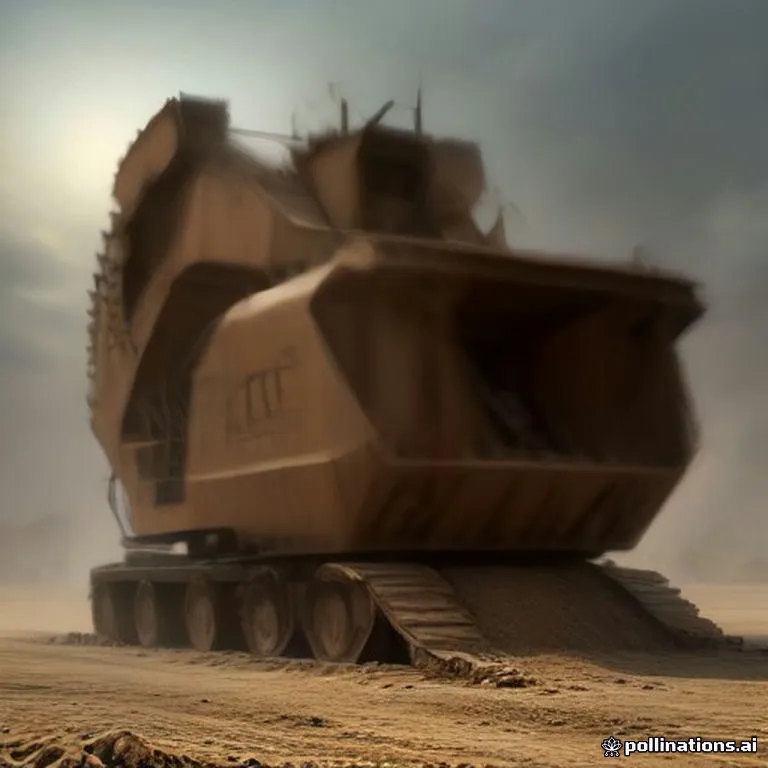
Brief description
A heavy mechanical crushing machine that compresses large rocks, mineral ores, or hard materials between a stationary jaw plate and a moving jaw plate driven by an eccentric shaft and toggle mechanism. It is the primary stage machine for reducing bulk geological stone into manageable aggregate or feed size for subsequent milling and refining.
Use / Function
- Primary Use: Primary crushing of mined mineral ores (quartz, limestone, iron ore) and quarry rock into coarse aggregate.
- Secondary Uses: Crushing concrete rubble and slag for recycling, as well as preparing raw materials for lime and cement production.
- Scale: Industrial mining operations, civil engineering projects, and local building material yards.
Operating principle
- V-Shaped Chamber: Two jaw plates are positioned at an acute angle, creating a wedge-shaped crushing cavity (“jaw chamber”) that tapers downward.
- Eccentric Motion: An eccentric shaft turned by a heavy flywheel drives a pitman rod up and down.
- Toggle Mechanism: The vertical movement of the pitman pushes a toggle plate horizontally, forcing the moving jaw toward the fixed jaw plate.
- Compressive Fracture: Large stone enters the wide top opening and is crushed repeatedly by immense compressive forces as it drops downward through narrowing gaps until it exits the bottom discharge opening.
How to create it
- Fabricate the Main Frame: Build a rigid box frame from heavy cast iron or welded structural steel plates capable of withstanding extreme cyclic stress.
- Mount the Fixed Jaw: Secure a heavily ribbed alloy steel or cast iron liner plate vertically (or slightly inclined) against the front frame wall.
- Install Pitman and Eccentric Shaft: Position a forged steel eccentric shaft horizontally across the top of the frame on heavy bearings and attach the moving jaw pitman.
- Attach Toggle Plate: Position a hardened toggle plate between the lower back of the moving jaw and the frame adjust mechanism to translate eccentric motion into linear crushing force.
- Attach Tension Springs and Flywheels: Connect heavy coil tension springs at the bottom to retract the jaw on return strokes, and mount twin balanced cast iron flywheels on the eccentric shaft ends.
Materials needed
- Frame & Jaw Shell: Heavy Cast Iron or welded structural Steel.
- Jaw Plates: Manganese or high-carbon Steel plates with ribbed surface profiles.
- Shaft & Toggle: Forged Iron or alloy Steel shaft and toggle plate.
- Energy Storage: Heavy Cast Iron flywheels.
- Structural Base: Heavy timber Wood beams for dampening vibration.
Variants and improvements
- Single-Toggle Jaw Crusher: Modern compact design where the moving jaw hangs directly from the eccentric shaft, combining swinging and downward rocking motion.
- Double-Toggle Jaw Crusher: Classic Blake design where the moving jaw swings from a top pivot rod, driven by a separate pitman and twin toggle plates for maximum force on tough ores.
- Hydraulic Adjustment: Hydraulic rams replace mechanical toggle shims to allow automatic clearance of jammed uncrushable tramp metal.
Limits and risks
- Abrasive Wear: Jaw plates suffer continuous wear and require periodic replacement or hard-facing weld re-surfacing.
- Mechanical Jamming: Oversized boulders or uncrushable metal objects can stall the flywheel or shatter the toggle plate.
- Dust Hazard: Generates significant fine silica dust; dust suppression spray or masks are required during operation.