Generated with AI3 min read
Hydrocyclone
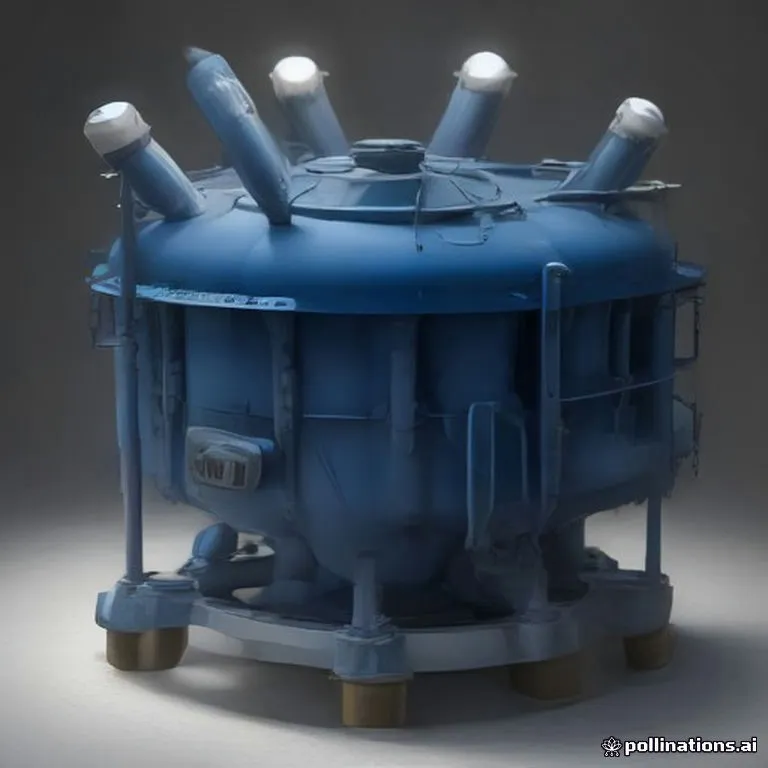
Brief description
A hydrocyclone is a static device that utilizes centrifugal force within a conical chamber to separate solids from liquids or separate liquids of different densities. Featuring zero moving parts, it is a highly reliable tool for water desanding, slurry clarification, and mineral processing.
Use / Function
- Water Desanding: Removing sand, silt, and grit from raw river or well water before filtration.
- Mineral Processing: Classifying particle sizes in mining slurries or separating dense ores from waste.
- Wastewater Treatment: Primary separation of heavy solid suspended particles.
- Scale: Agricultural irrigation pre-filtration, municipal water pre-treatment, and heavy industrial plant operations.
Operating principle
The hydrocyclone operates on Vortex Centrifugal Acceleration:
- Tangential Feed: Fluid mixture is pumped under pressure through a tangential inlet at the top of a cylindrical section.
- Outer Vortex: The tangential entry forces the liquid into a high-speed downward spiral along the outer wall.
- Centrifugal Separation: High centrifugal forces push dense particles outward against the wall. Dense solids slide down the conical section toward the bottom discharge apex (underflow).
- Inner Vortex: Near the narrow apex, fluid pressure forces the lighter, clarified liquid to reverse direction and form an inner upward vortex.
- Overflow Discharge: The clean liquid inner vortex exits through a central top tube called a vortex finder (overflow).
How to create it
- Fabricating the Outer Body: Roll Sheet Metal into a cylindrical upper section attached to an elongated lower conical section tapering downward at a 10°–20° angle.
- Fitting the Tangential Inlet: Weld a rectangular or pipe inlet tangentially onto the upper cylindrical chamber so incoming fluid enters smoothly along the curved wall.
- Installing the Vortex Finder: Position a smaller vertical pipe centrally through the top plate, extending slightly below the tangential inlet level to prevent raw fluid from bypassing directly into the overflow.
- Machining the Apex Nozzle: Fit an adjustable or replaceable abrasion-resistant Steel nozzle at the bottom cone tip for solid underflow discharge.
- Sealing Assembly: Weld all seams pressure-tight to withstand operating pressures of 1 to 3 bar.
- Connecting Supply: Connect a pump or elevated header tank supplying Water slurry into the tangential inlet.
Materials needed
- Sheet Metal or Steel: For the cylindrical body, conical cone, and vortex finder pipe.
- Water: Primary liquid carrier for slurry separation.
- Flanges or Threaded Couplings: For piping connections to pump feed, overflow, and underflow.
Variants and improvements
- Multi-cyclone Manifold: Linking multiple small hydrocyclones in parallel for high flow rates and finer particle separation.
- Polymer / Ceramic Lined Hydrocyclone: Lining steel interiors with wear-resistant polyurethane or ceramic tiles to resist severe abrasive slurries.
- Dense Medium Cyclone: Utilizing a dense magnetic slurry medium to float light coal or minerals while sinking dense ores.
Limits and risks
- Abrasion: High-velocity grit causes severe erosion on the conical lower walls and apex nozzle over time.
- Clogging: Excessive large debris or fibers can block the narrow apex orifice, interrupting separation.
- Pressure Sensitivity: Requires consistent feed pressure; sudden pressure drops collapse the internal vortex and degrade separation efficiency.