Generated with AI2 min read
Water Filter
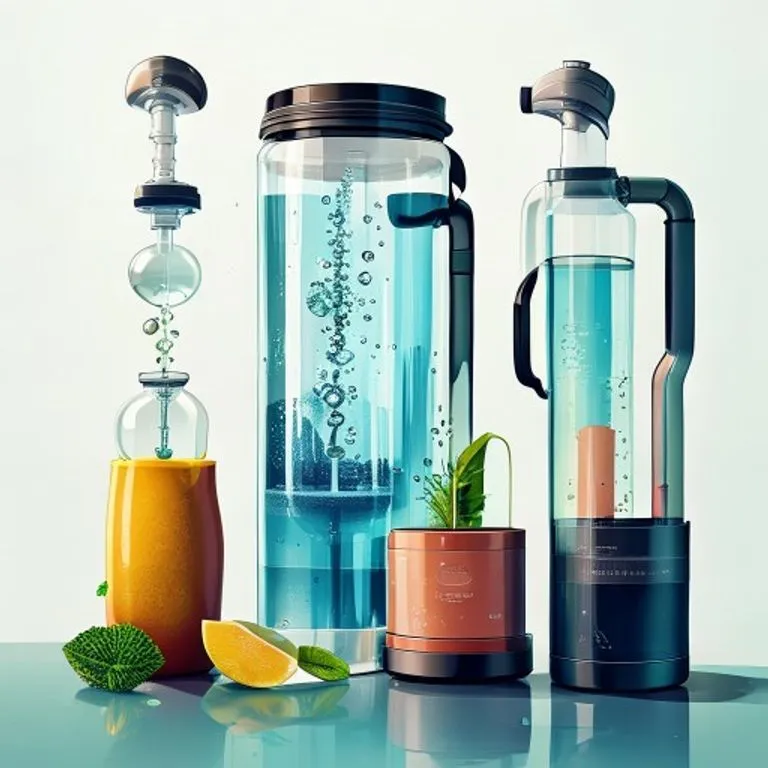
Brief description
A device or setup used to remove impurities, sediment, and pathogens from water to make it safe for drinking or other uses.
Use / Function
- Primary use: Producing potable water from contaminated sources.
- Secondary uses: Pre-treatment for industrial processes.
- Scale: Individual (portable) to municipal (sand beds).
Operating principle
- Mechanical Filtration: Layers of different pore sizes trap particles.
- Gravel/Stones: Catch large debris.
- Sand: Catches smaller sediments and organisms.
- Cloth/Ceramic: Catches very fine particles.
- Adsorption: Charcoal (activated carbon) absorbs chemicals, odors, and toxins.
- Biological Action: In slow sand filters, a “schmutzdecke” (biological layer) forms on top, where microorganisms consume pathogens.
How to create it
Bio-Sand Filter (Household):
- Container: Use a tall barrel or bucket with a tap at the bottom.
- Drainage Layer: Place a layer of clean gravel at the bottom to cover the outlet.
- Separation: Place a mesh or fabric over the gravel to prevent mixing.
- Filtration Layer: Fill the bulk of the container with fine, washed sand.
- Adsorption Layer (Optional): Add a layer of crushed charcoal for chemical purification.
- Operation: Pour water slowly. The first few liters should be discarded until the water runs clear.
Materials needed
- Filtering Media: Sand, Gravel, Charcoal.
- Housing: Container (plastic, ceramic, wood).
- Separators: Fabric or fine mesh.
Variants and improvements
- Ceramic Filter: Porous clay pot impregnated with silver (antibacterial). Very effective against bacteria.
- Cloth Filter: Folded sari cloth (used in Bangladesh) filters out copepods that carry cholera.
- Solar Disinfection (SODIS): Using clear bottles and sunlight (UV) after filtration to kill remaining viruses.
Limits and risks
- Viruses: Basic sand filters may not remove all viruses (too small). Boiling or chemical disinfection is still recommended.
- Maintenance: Filters clog over time and need cleaning (backwashing) or replacing.
- Breakthrough: If flow is too fast, contaminants can be pushed through.
- Chemicals: Standard filters don’t remove dissolved heavy metals or salt.
Related inventions
- Charcoal: Key ingredient for adsorption.
- Distillation: Alternative for high purity.
- Water Supply: System context.