Generated with AI3 min read
Chip Log
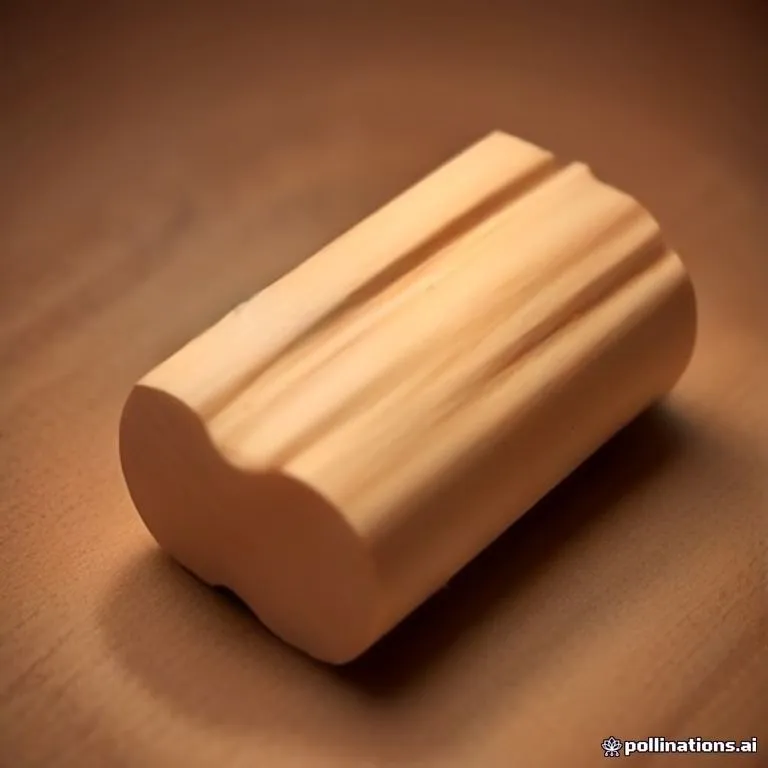
Brief description
A chip log is a classical navigation tool used by mariners to estimate the speed of a vessel through water. It consists of a wooden board attached to a knotted line, which is dropped overboard to measure distance covered over a fixed time interval measured by a sandglass.
Use / Function
- Primary Use: Measuring ship speed through water in knots (nautical miles per hour).
- Secondary Uses: Dead reckoning navigation and estimating distance traveled between celestial position fixes.
- Scale: Maritime navigation (individual vessel scale).
Operating principle
- Hydrodynamic Drag: The wooden board (chip) is weighted with lead along one rounded edge so it floats vertically in water, acting as a drag anchor that remains relatively stationary in the water column.
- Line Unspooling: As the ship moves forward, the log line unspools freely from a reel.
- Knot Counting: Knots tied at precise uniform intervals along the line pass through an observer’s hands while a 28-second or 30-second sandglass runs.
- Speed Calculation: The number of knots paid out during the sandglass time directly indicates the ship’s speed in knots.
How to create it
- Shape the Chip: Cut a quarter-circle piece of hardwood, weighted at the curved edge with embedded Lead so that it floats upright in water.
- Rig the Bridle: Attach a three-part rope bridle to the corners of the chip log so it pulls perpendicular to the water when submerged. Secure one leg with a removable wooden peg that releases under a sharp tug to retrieve the log flat through the water.
- Prepare the Log Line: Measure a long, light Rope line (approx. 150–200 meters). Tie knots along the line at intervals proportional to the sandglass duration (e.g., 47 feet 3 inches apart for a 28-second sandglass).
- Construct the Sandglass: Create a small glass or sealed double flask containing fine dry Sand calibrated to drain in exactly 28 seconds.
- Mount on Reel: Wind the line onto a free-spinning wooden reel.
Materials needed
- Wood: Hardwood board for the chip and a turning reel.
- Rope: Flexible cordage/line for the main log line and bridle.
- Lead: Lead weight for sinking the bottom edge of the board.
- Glass & Sand: Sealed glass vessel and uniform dry Sand for the timer.
Variants and improvements
- Standard Chip Log: The classic wooden board and sandglass system used from the 16th to 19th centuries.
- Mechanical Impeller Log: Submerged propeller/impeller turned by water flow and linked to a mechanical counter.
- Pitometer Log: Measures dynamic fluid pressure differences using a Pitot tube.
Limits and risks
- Current Interference: Measures speed through water, not speed over ground; ocean currents can distort navigational dead reckoning.
- Fouling & Snagging: Floating debris or seaweed can catch on the line or chip log, giving inaccurate readings.
- Human Error: Requires precise coordination between the crew member casting the log and the timekeeper holding the sandglass.