Generated with AI3 min read
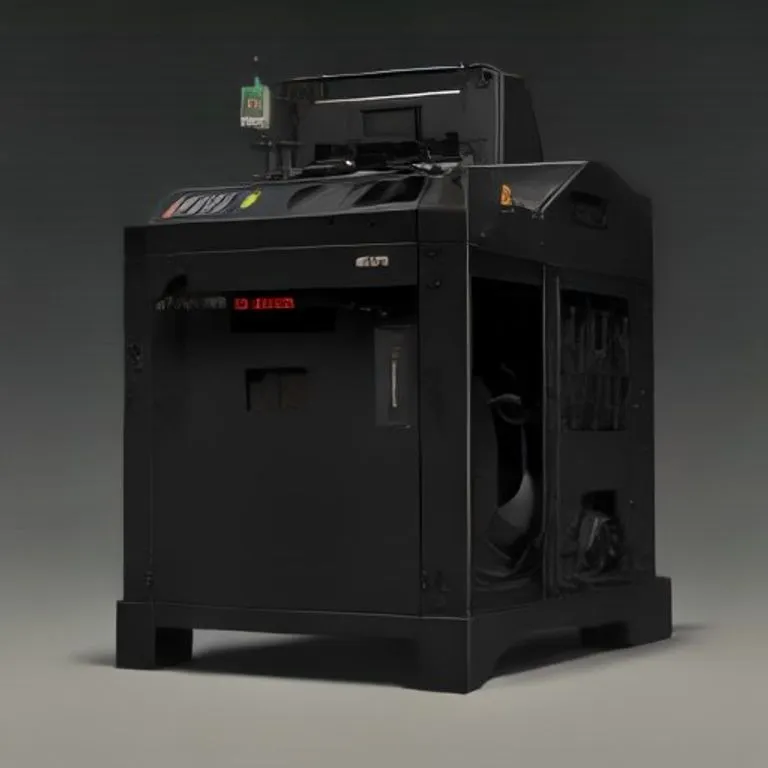
Carding Machine
Brief description
A mechanical device with rotating cylinders covered in fine wire teeth that disentangles, cleans, and intermixes raw fibers (such as wool or cotton) to produce a continuous web or sliver suitable for spinning into yarn.
Use / Function
- Textile Preparation: Essential precursor to mechanical spinning; converts tangled raw fleece or harvested cotton into ordered fibers.
- Fiber Blending: Mixes fibers of different colors or types evenly before spinning.
- Mass Production: Increases textile fiber processing capacity hundreds of times compared to hand carding.
Operating principle
- Feeding: Raw, washed, and oiled raw fibers are fed on a belt into feed rollers.
- Teasing & Straightening: A large main cylinder (drum) covered in thousands of bent wire pins rotates rapidly, pulling fibers across smaller counter-rotating cylinders (workers and strippers).
- Alignment: The opposing wire teeth tease apart knots and align the individual fibers parallel to each other.
- Doffing: A specialized comb or doffing roller strips the aligned web of fibers off the drum, condensing it into a rope-like sliver.
How to create it
- Wooden Frame & Drums: Build a sturdy frame and turn wooden cylinders mounted on metal axles.
- Card Clothing: Produce leather or heavy fabric strips embedded with rows of angled fine steel wires (wire teeth).
- Drum Assembly: Wrap and secure the card clothing around the main cylinder and smaller satellite rollers.
- Gear Drive: Connect the rollers with a system of gears or pulley belts so they rotate at precise relative speeds.
- Doffing Comb: Mount a reciprocating comb or wire roller at the output to collect the carded web.
Materials needed
- Frame & Cylinders: Wood or Iron.
- Card Clothing: Leather or heavy Fabric.
- Teeth: Hardened Steel wire.
- Transmission: Belts, pulleys, or iron Gears.
Variants and improvements
- Hand Carding Paddles: Ancient flat wooden boards with wire teeth used manually.
- Roller Carding Machine: Uses multiple worker and stripper rollers surrounding a central main drum.
- Flat Carding Machine: Uses stationary or revolving flat wire bars over the main drum; ideal for short cotton fibers.
Limits and risks
- Wire Maintenance: Teeth dull or bend over time, requiring frequent stripping and sharpening (grinding).
- Fire Hazard: Dry plant/wool fibers and high-speed friction present a severe ignition risk.
- Entanglement: Rapidly moving rollers can trap fingers and hands if unguarded.