SyntheticGenerated with AI3 min read
Gasoline
Mixture of C4 to C12 hydrocarbons
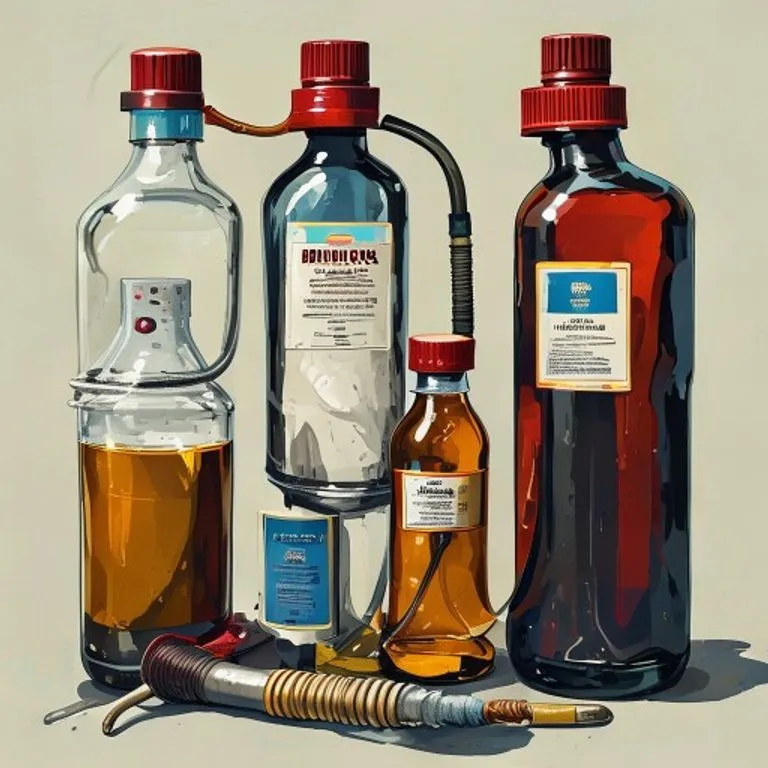
Gasoline (or petrol) is a transparent, petroleum-derived flammable liquid that is used primarily as a fuel in spark-ignited internal combustion engines.
Description of what it is like
Gasoline is a clear or slightly yellowish liquid with a distinctive, pungent odor. It is highly volatile, meaning it evaporates quickly at room temperature, forming a heavy, flammable vapor that can travel along the ground.
Origin and where to find it
- Refinery Product: It is not found in nature; it must be refined from Crude Oil.
- Distillation: The process involves heating crude oil in a distillation column to separate its components by their boiling points.
Minimum processing required
- Distillation: To separate the gasoline range hydrocarbons (boiling between 30°C and 200°C) from the rest of the crude oil.
- Purification: Removing sulfur and other impurities that can damage engines or cause excessive pollution.
- Additives: Modern gasoline includes chemicals to prevent engine knocking and improve storage life.
Tools needed to work on it
- Fractional Distillation Column: A tall, temperature-controlled tower.
- Condenser: To turn the hot vapors back into liquid.
- Airtight Containers: For safe storage and to prevent evaporation.
Common forms of use
- Automotive Fuel: The most common use, powering light vehicles.
- Aviation Gasoline (Avgas): High-octane fuel for piston-engine aircraft.
- White Gas: A highly refined form used in camping stoves and lanterns.
Possible substitutes
- Alcohol (Ethanol): Can be used as a fuel, though it has lower energy density and may require engine modifications.
- Biofuel: Renewable alternatives derived from plants.
- Propane: A gaseous fuel that can be compressed into a liquid for use in engines.
- Wood Gasifier: Allows engines to run on gases produced from wood or charcoal.
Limitations and common failures
- Volatility: It evaporates quickly if not kept in a sealed container, losing its ability to start engines easily.
- Degradation: Over time (3-6 months), gasoline oxidizes and forms gummy deposits that can clog carburetors and fuel injectors.
- Water Sensitivity: Water in gasoline can cause engine sputtering, corrosion, and ice blockages in cold weather.
Risks and safety
- Extreme Fire Hazard: Vapors are highly explosive; keep far away from sparks or flames.
- Toxicity: Harmful if swallowed or inhaled; can cause skin irritation.
- Environmental Hazard: Spills are toxic to plants and animals and can contaminate groundwater.
Related materials
Properties
- Highly flammable
- Volatile
- Low viscosity
- High energy density
Used for
- Fuel for **[Internal Combustion Engine](/en/inventions/internal-combustion-engine)**
- Solvent for cleaning or thinning
- Fuel for lamps and stoves (with caution)
Manufacturing / Process
Produced by the fractional distillation of crude oil. The lighter fractions are separated, and heavier fractions may be 'cracked' into smaller molecules to increase yield.