Generated with AI2 min read
Insects for Food
Related Materials
Brief description
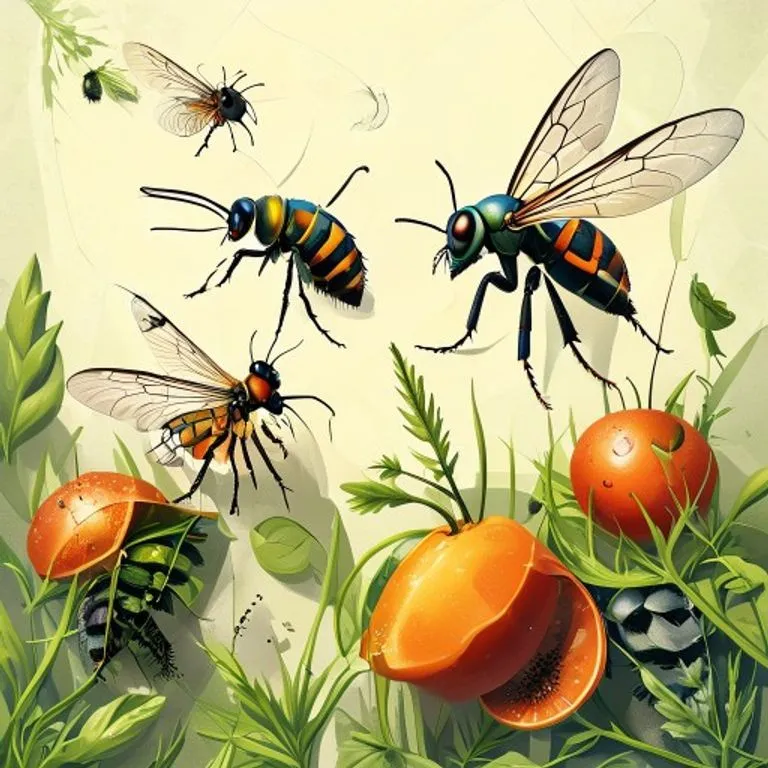
Insects for food is the practice of harvesting, preparing, and eating edible insects as a compact source of protein, fats, and micronutrients with low resource requirements.
Use / Function
- Nutrition: Provides protein, fats, iron, and B vitamins.
- Resilience: Insects are often available when large game is scarce.
- Preservation: Dried insects store well and travel easily.
- Scale: From hand foraging to small household rearing.
Operating principle
- Selection: Identify edible species and avoid toxic or protected ones.
- Safety: Heat kills most parasites and pathogens.
- Moisture control: Drying reduces spoilage and insect fats stabilize.
- Containment: Containers protect the harvest from pests and moisture.
How to create it
- Identify safe species: Use local knowledge and avoid pesticide-treated areas.
- Harvest: Hand-pick, shake branches onto cloth, or use Traps and simple Fly catcher setups.
- Clean: Rinse with Water, remove wings or hard legs if needed, and discard damaged insects.
- Cook: Roast or boil using Fire, or pan-fry with Vegetable Oil.
- Preserve: Salt lightly with Salt and dry on warm stones or racks over low heat.
- Store: Keep dried insects in dry Containers.
Materials needed
- Essential: Edible insects, Water, Salt.
- Tools: Containers, heat from Fire, mesh or Plant fibers for collection.
- Substitutes: Ash or smoke drying when fuel is scarce, bark trays instead of pots, woven baskets lined with leaves.
Variants and improvements
- Roasted whole: Fast and low equipment.
- Boiled or fried: Better texture and safety with oil.
- Insect flour: Dry and grind into powder for breads and stews.
- Household rearing: Use simple boxes, feed with plant scraps, and keep dry bedding from Plant fibers.
Limits and risks
- Allergies: Chitin can trigger reactions, especially for people allergic to shellfish.
- Toxins: Misidentification or pesticide exposure can be dangerous.
- Spoilage: High moisture causes rancidity and mold.
- Overharvesting: Local populations can be depleted if collection is too intense.