Generated with AI3 min read
How to manage an epidemic
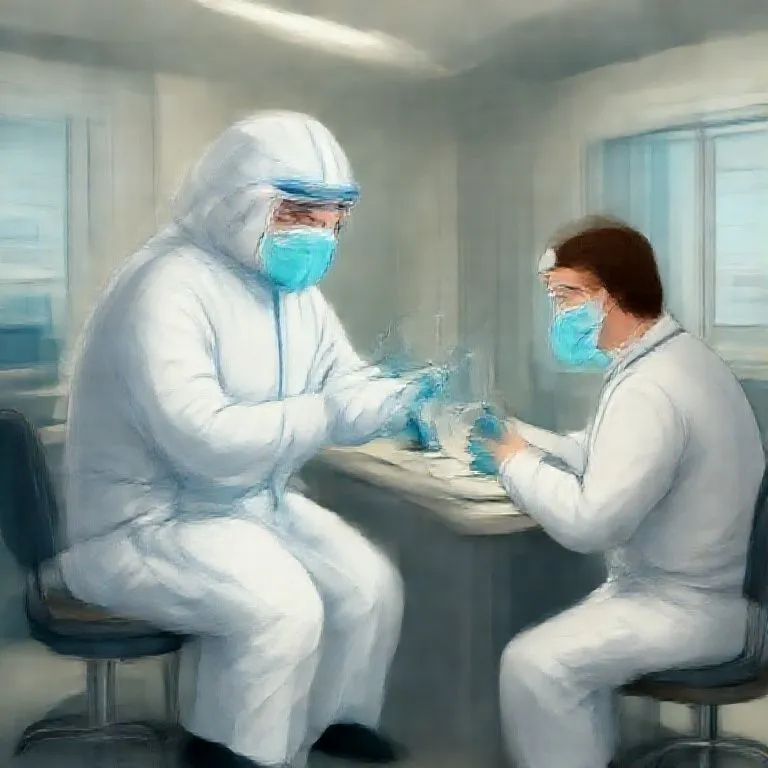
Brief description
Managing an epidemic means coordinating hygiene, isolation, sanitation, and communication to break chains of transmission. The goal is to reduce spread, protect vulnerable people, and keep essential services running.
Use / Function
- Transmission control: Reduces spread by contact, surfaces, and air.
- Community protection: Prioritizes caregivers and high-risk groups.
- Basic continuity: Keeps safe water, food access, and minimum cleaning.
- Social organization: Defines clear movement, care, and isolation rules.
- Scale: From households to entire settlements.
Operating principle
- Exposure reduction: Fewer close contacts means lower risk.
- Lower infectious load: Consistent hygiene removes active pathogens.
- Physical barriers: Separating clean and contaminated areas slows spread.
- Sanitation: Safe waste handling blocks fecal routes.
- Ventilation: Fresh air dilutes infectious particles.
How to create it
- Zones and flow: Define clean, transition, and Isolation areas with one-way circulation.
- Hand hygiene: Set stations with Water and Soap, or Alcohol when water is limited.
- Protective gear: Use Protective Equipment for caregiving, cleaning, and waste handling.
- Safe water: Boil, filter, or Distill water for drinking.
- Ventilate spaces: Use Passive Ventilation and reduce crowding.
- Waste and excreta: Use Latrines and disinfect with Lime when possible.
- Scheduled cleaning: High-touch surfaces are cleaned with soap or diluted vinegar.
- Records and communication: Keep case lists, contacts, and visible rules.
- Vaccination plan: If vaccines are available, organize Vaccination with priority groups and safe storage.
Required technological level
Basic to intermediate. Discipline and organization matter more than technology.
Materials needed
- Hygiene: Water, Soap, Alcohol, Cotton.
- Cleaning: Vinegar for descaling and Lime for basic disinfection.
- Sanitation: Latrines and closed Containers.
- Air: Passive Ventilation for air renewal.
Variants and improvements
- Layered isolation: Household, neighborhood, community.
- Isolation protocols: Entry and exit criteria with basic support.
- Mobile hygiene points: Temporary stations aligned with movement.
- Shift separation: Reduce contact between groups.
- Reusable materials: Washable cotton cloths for cleaning.
Limits and risks
- False security: Hygiene without isolation is not enough.
- Recontamination: Safe water is lost if containers are dirty.
- Social strain: Prolonged isolation requires psychological and logistical support.
- Misuse of disinfectants: High concentrations can irritate or burn.
Related materials
- Water: Base for hygiene and consumption.
- Soap: Mechanical removal of pathogens.
- Alcohol: Antiseptic when water is limited.
- Lime: Disinfection for waste.
- Isolation: Separation of cases to cut transmission.
- Latrines: Cut fecal transmission routes.
- Containers: Safe storage for clean and contaminated items.
- Distillation: Safe water and alcohol.
- Passive Ventilation: Dilution of aerosols.
- Vaccination: Immune protection to reduce spread.
- Protective Equipment: Barrier gear that reduces exposure.