Generated with AI2 min read
Latrine
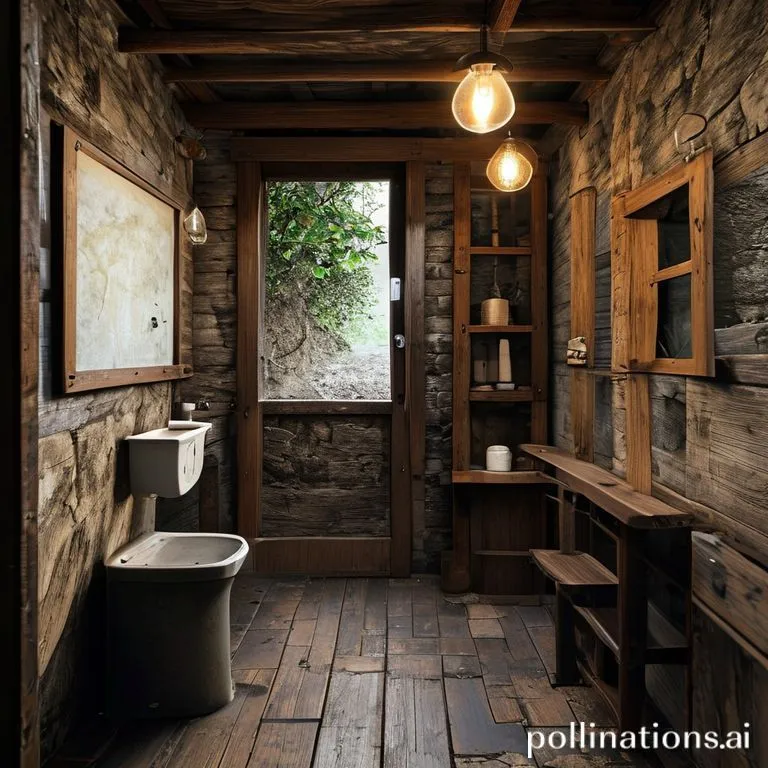
Brief description
A latrine is a basic sanitation facility intended for the safe disposal of human excreta. It is fundamental to prevent water contamination and the spread of disease in any settlement, temporary or permanent.
Use / Function
- Pathogen containment: Prevents fecal bacteria and parasites from reaching water or food sources.
- Community hygiene: Centralizes waste in a controlled place.
- Vector control: If covered well, prevents flies and insects from spreading diseases from feces.
Operating principle
It is based on isolation and natural decomposition. By burying waste, direct contact is avoided. Over time, soil microorganisms decompose the organic matter.
How to create it
- Location:
- At least 30-50 meters away from any water source.
- Downhill from wells or springs.
- Stable and absorbent soil (not pure rock or swamp).
- Excavation: Dig a deep (minimum 1-1.5 meters) and narrow hole.
- Platform: Build a solid base over the hole with wood or stone, leaving a safe opening.
- Structure/Privacy: Surround with walls of branches, cloth, or wood.
- Maintenance: Cover waste with soil or ash after each use to reduce odors and flies.
Required technological level
Basic. Only requires digging tools.
Materials needed
- Digging tools: Shovel, pickaxe, digging stick.
- Platform: Sturdy logs, stone slabs.
- Cover: Excavated soil or ash.
Variants and improvements
- Cat hole: Small single-use hole for individuals on the move.
- Trench latrine: For large groups in a short time.
- Composting latrine: Separates urine and feces to produce compost (requires more management).
Limits and risks
- Filling: Once full (up to 30-50 cm from the edge), it must be completely covered and marked, and a new one dug.
- Collapse: If the soil is sandy, the hole walls can collapse (requires reinforcement).
- Flooding: If flooded by rain, it can contaminate the entire environment. Must be protected from surface runoff.