Generated with AI3 min read
Metal Planer
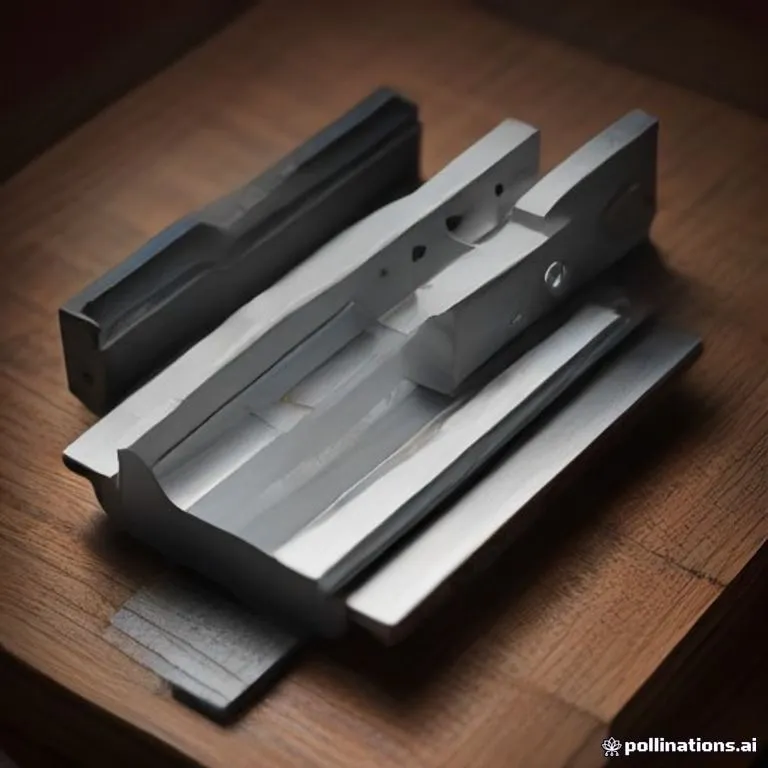
Brief description
A metal planer (or planing machine) is a heavy industrial machine tool designed to cut long, true flat surfaces, keyways, and dovetail guide ways on large metal workpieces. Unlike a metal shaper where the cutting tool moves back and forth over a stationary piece, a planer reciprocates a heavy worktable bearing the workpiece beneath a stationary overhead tool bridge, enabling precision machining of massive engine beds, lathe beds, and machine frames.
Use / Function
- Primary Use: Machining long, perfectly flat surfaces and linear precision ways on heavy castings and forged steel plates.
- Secondary Uses: Cutting multiple parallel slots, dovetail slides, and machine tool guide rails simultaneously using multiple tool heads.
- Scale: Heavy workshop and industrial factory scale.
Operating principle
- Reciprocating Table Drive: A long reciprocating worktable (platen) carrying the workpiece moves linearly back and forth under an elevated cross-rail gantry.
- Stationary Cutting Stroke: Heavy tool posts mounted on the rigid bridge cross-rail remain stationary during the forward cutting stroke, removing metal along the entire length of the workpiece.
- Quick-Return Table Motion: Bull-gear and rack-and-pinion or hydraulic drive mechanisms return the heavy table rapidly after each cutting stroke.
- Automatic Tool Feed & Relief: At each end stroke reversal, a mechanical ratchet advances the tool head laterally across the cross-rail, while clapper boxes swing open on the return stroke to prevent tool dragging.
How to create it
- Cast Bed & Precision Ways: Pour heavy Cast Iron bed channels fitted with V-shaped or flat parallel guide ways. Scrape and lap the ways flat using a surface plate.
- Fabricate the Platen (Table): Cast a long heavy table with T-slots for clamping workpieces, machining matching V-ways on its underside to ride smoothly on the bed ways.
- Build the Upright Columns & Cross-Rail: Erect two massive vertical cast-iron housings flanking the bed and bridge them with a heavy horizontal cross-rail that adjusts vertically.
- Install Drive Mechanism: Fit a rack along the bottom of the platen driven by a large bull gear powered by a reversing belt shifter or electric motor drive.
- Mount Tool Heads & Clapper Assemblies: Mount adjustable tool heads on the cross-rail featuring clapper boxes with hardened Steel cutting tools and mechanical feed screws.
Materials needed
- Bed, Platen & Columns: Heavy Cast Iron for vibration damping and structural rigidity.
- Drive Gears, Rack & Lead Screws: Tough alloy or carbon Steel.
- Bearings & Shaft Bushings: Bronze or Iron.
- Cutting Tools: High-carbon tool steel or high-speed tool bits.
Variants and improvements
- Open-Side Planer: Features a single column support instead of two uprights, accommodating oversized workpieces that overhang one side of the table.
- Edge Planer (Plate Planer): Designed specifically to trim and bevel the edges of long armor plates and boiler shells, where the plate remains fixed while the carriage moves.
- Double-Housing Planer: The standard twin-column bridge design offering maximum rigidity for heavy cuts.
Limits and risks
- Large Floor Space Requirements: Requires a floor footprint more than twice the maximum stroke length to accommodate table travel.
- High Inertia and Power: Reversing heavy worktables places severe mechanical stress on gears and belts.
- Safety Hazards: Long reciprocating table movements create severe pinch hazards; flying chips require eye protection and safety barriers.