Generated with AI3 min read
Heat Pump
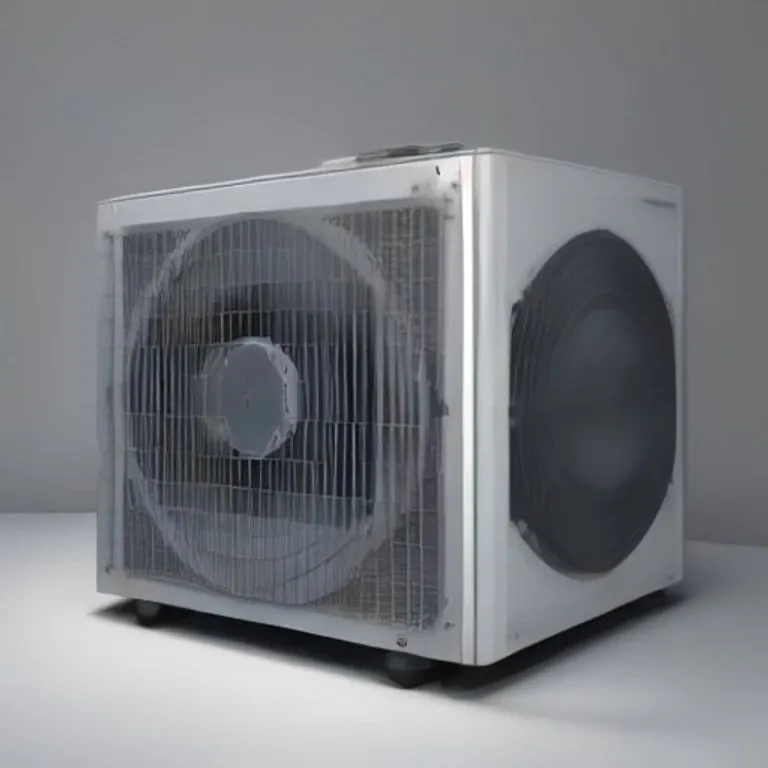
Brief description
A heat pump is a mechanical device that transfers thermal energy from a cold source (such as outside air, ground, or water) to a warmer space using a closed vapor-compression refrigeration cycle. It provides highly efficient heating or cooling by moving existing ambient heat rather than creating heat through combustion.
Use / Function
- Primary Use: Space heating and air conditioning for residential and industrial buildings.
- Secondary Uses: Water heating, industrial drying, waste heat recovery, and agricultural climate control.
- Scale: Small domestic appliances to large district heating and industrial facilities.
Operating principle
A heat pump operates on the vapor-compression thermodynamic cycle driven by a mechanical compressor:
- Evaporation: Low-pressure liquid refrigerant absorbs thermal energy from the cold external environment inside an outdoor heat exchanger (evaporator), boiling into a cold vapor.
- Compression: A compressor mechanically squeezes the refrigerant vapor, significantly increasing its pressure and temperature.
- Condensation: Hot, high-pressure vapor flows through an indoor heat exchanger (condenser), releasing heat into the living space or water system as it condenses back into a high-pressure liquid.
- Expansion: The liquid passes through an expansion valve, reducing its pressure and temperature rapidly before returning to the evaporator to repeat the cycle.
How to create it
Basic Vapor-Compression System
- Compressor Unit: Adapt a mechanical piston, scroll, or rotary compressor powered by an electric motor, internal combustion engine, or belt drive.
- Heat Exchangers: Coil long sections of copper tubing into two grid matrices (evaporator and condenser) fitted with aluminum or copper cooling fins to maximize surface area.
- Expansion Valve: Install a calibrated capillary tube or thermostatic expansion valve between the condenser outlet and evaporator inlet.
- Refrigerant Loop Connection: Hermetically solder all copper joints using silver solder or brazing techniques.
- Vacuum & Charging: Evacuate moisture and non-condensable air from the closed loop using a vacuum pump, then charge the system with a suitable working fluid (e.g., propane, ammonia, or R-134a).
Materials needed
- Tubing & Coils: Copper or Brass pipes for heat transfer.
- Compressor & Shell: Steel housing with cast-iron internal pistons or rotors.
- Seals & Dampers: High-pressure Natural Rubber O-rings and vibration isolators.
- Working Fluid / Refrigerant: Volatile working fluids such as propane (R-290), ammonia, or synthetic refrigerants.
Variants and improvements
- Air-Source Heat Pump: Extracts heat directly from outdoor air (simplest installation).
- Ground-Source (Geothermal) Heat Pump: Circulates fluid through buried ground loops, leveraging stable subsurface temperatures for higher efficiency.
- Reversible Heat Pump: Uses a four-way reversing valve to flip the direction of refrigerant flow, allowing the same unit to provide heating in winter and cooling in summer.
Limits and risks
- Efficiency Loss in Extreme Cold: Air-source heat pumps lose coefficient of performance (COP) as outdoor temperatures drop significantly below freezing.
- High Pressure Hazards: Refrigerants operate under high pressure; leaks or ruptured lines present risk of frostbite, toxic gas exposure, or flammability (if using hydrocarbons like propane).
- Power Requirement: Mechanical compression requires a continuous external power source (electricity or shaft mechanical work).