Generated with AI3 min read
Grain Silo
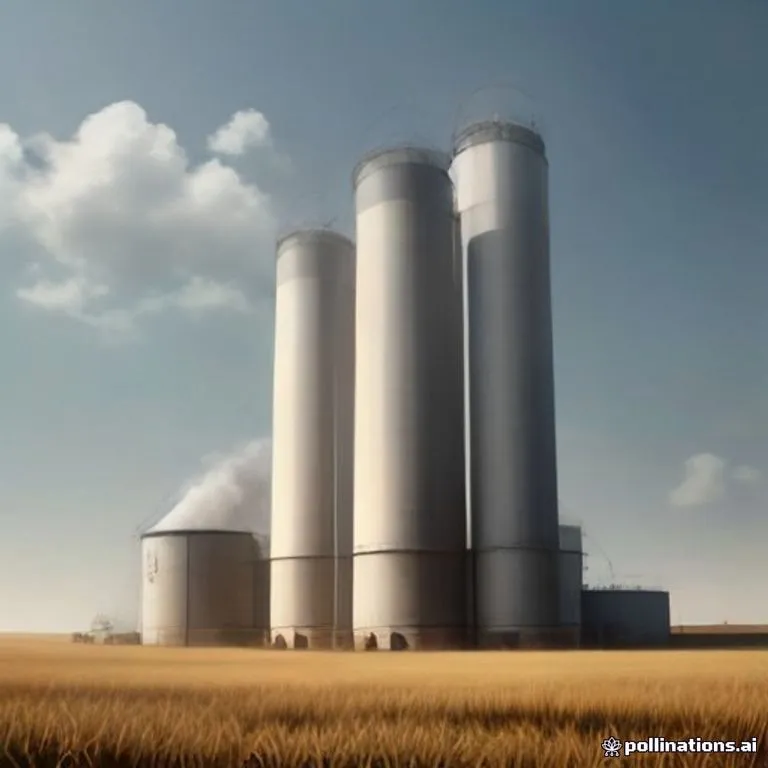
Brief description
A grain silo is a structure designed for storing bulk grain after harvest under controlled conditions. It protects stored crops from moisture, heat, fungal contamination, and pests, ensuring multi-year food security.
Use / Function
- Primary use: Long-term airtight or ventilated storage of harvested cereal grains, pulses, and seeds.
- Secondary uses: Seed preservation for future planting seasons, bulk pest control through controlled gas fumigation or anaerobic respiration.
- Scale: Small homestead pit silos, farm-level timber or brick tower silos, industrial steel elevator silos.
Operating principle
Moisture Control and Pest Asphyxiation:
- Moisture Exclusion: Sealed walls prevent ground water and atmospheric humidity from penetrating, keeping grain moisture content below 13% to prevent germination and fungal rot.
- Thermal Insulation: Thick walls (earth, stone, or insulated metal) buffer diurnal temperature swings, preventing internal condensation.
- Anaerobic Micro-environment: Sealed silos allow grain respiration and insects to consume remaining oxygen, producing carbon dioxide that smothers insect pests naturally.
How to create it
1. Simple Underground Sealed Pit Silo
- Dig a circular pit in well-drained soil above the water table.
- Line the floor and walls with stone, burnt Clay tiles, or concrete sealed with pitch or natural resin.
- Thoroughly dry the harvested grain in sunlight until moisture content drops below 12%.
- Pack the pit densely with dry grain to minimize air pockets.
- Seal the top opening with a thick layer of clay, straw, and stone caps to form an airtight barrier.
2. Above-Ground Tower Silo
- Construct a solid foundation using Stone or Concrete.
- Erect cylindrical walls using mortared brick, stone, or heavy Wood staves held together with iron hoops.
- Fit an inclined roof to shed rainwater.
- Install an airtight loading hatch at the top and a sealed discharge spout at the base.
Materials needed
- Structural Walls: Stone, Wood, Clay bricks, or Concrete.
- Reinforcement: Metal hoops or iron bands.
- Sealants: Natural pitch, resin, lime mortar, or clay.
- Tools: Shovels, trowels, buckets, saws.
Variants and improvements
- Hermetic Bag Silos: Flexible multi-layer polyethylene bags providing hermetic seals for smallholders.
- Ventilated Aerated Silos: Silos equipped with mechanical blowers to circulate ambient dry air through the grain column.
- Metal Cylinder Silos: Galvanized sheet iron silos that offer rodent proofing and simple modular assembly.
Limits and risks
- Spoilage Hazard: Grain stored with moisture content above 14% will ferment, rot, or generate lethal heat.
- Dust Explosions: Suspended fine grain dust in enclosed spaces can ignite violently with a spark.
- Asphyxiation Hazard: High carbon dioxide or low oxygen inside sealed silos can cause fatal suffocation upon entry without ventilation.