NaturalGenerated with AI2 min read
Flint
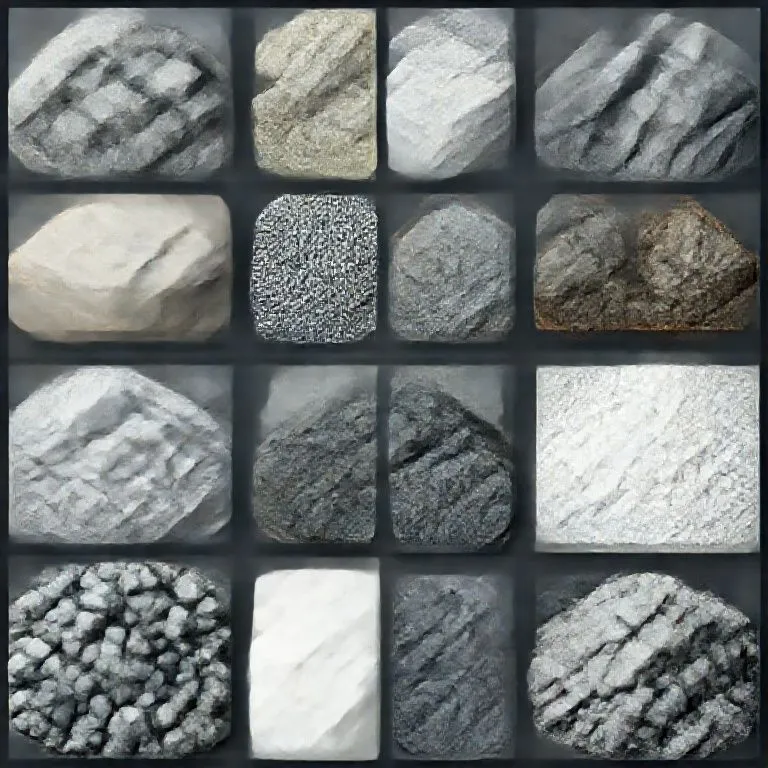
Flint is a sedimentary cryptocrystalline form of quartz, a variety of chert. It occurs mainly as nodules and layers in chalk and limestone.
Description of what it is like
Flint is dense and very hard. It fractures with a conchoidal break, producing extremely sharp edges. Colors range from black and gray to brown or white with a pale outer rind.
Origin and where to find it
- Environments: Chalk and limestone formations, riverbeds, and beaches where these rocks erode.
- Signs: Rounded nodules with a whitish cortex and a glassy, dark interior.
- It is a natural material.
Minimum processing required
- Collection: Select solid nodules with few internal cracks.
- Knapping: Controlled blows to remove flakes and shape edges.
- Retouch: Pressure flaking to refine the edge.
Tools needed to work on it
- Hard hammerstones.
- Soft hammerstones (antler or hardwood).
- Pressure flakers made of antler or bone.
- Leather pads to protect hands and legs.
Common forms of use
- Tools: Scrapers, knives, arrowheads, axes.
- Fire: Struck against pyrite or steel to make sparks.
Possible substitutes
- Obsidian: Sharper but more fragile.
- Chert: Very similar and often interchangeable.
- Steel: For modern cutting tools.
Limitations and common failures
- Brittleness: Breaks under hard impact or drops.
- Skill requirement: Difficult to knap well without practice.
Risks and safety
- Cuts: Edges and flakes are extremely sharp.
- Dust: Silica dust from knapping is hazardous if inhaled.
Related materials
- Stone: Flint is a type of stone.
- Pyrite: Spark partner in percussion fire making.
- Limestone: Common host rock for flint nodules.
Properties
- Hard
- Brittle
- Sharp edges when broken
- Produces sparks
Used for
- Stone tools
- Weapons
- Fire starting
Manufacturing / Process
Found naturally in nodules in sedimentary rocks like chalk or limestone.